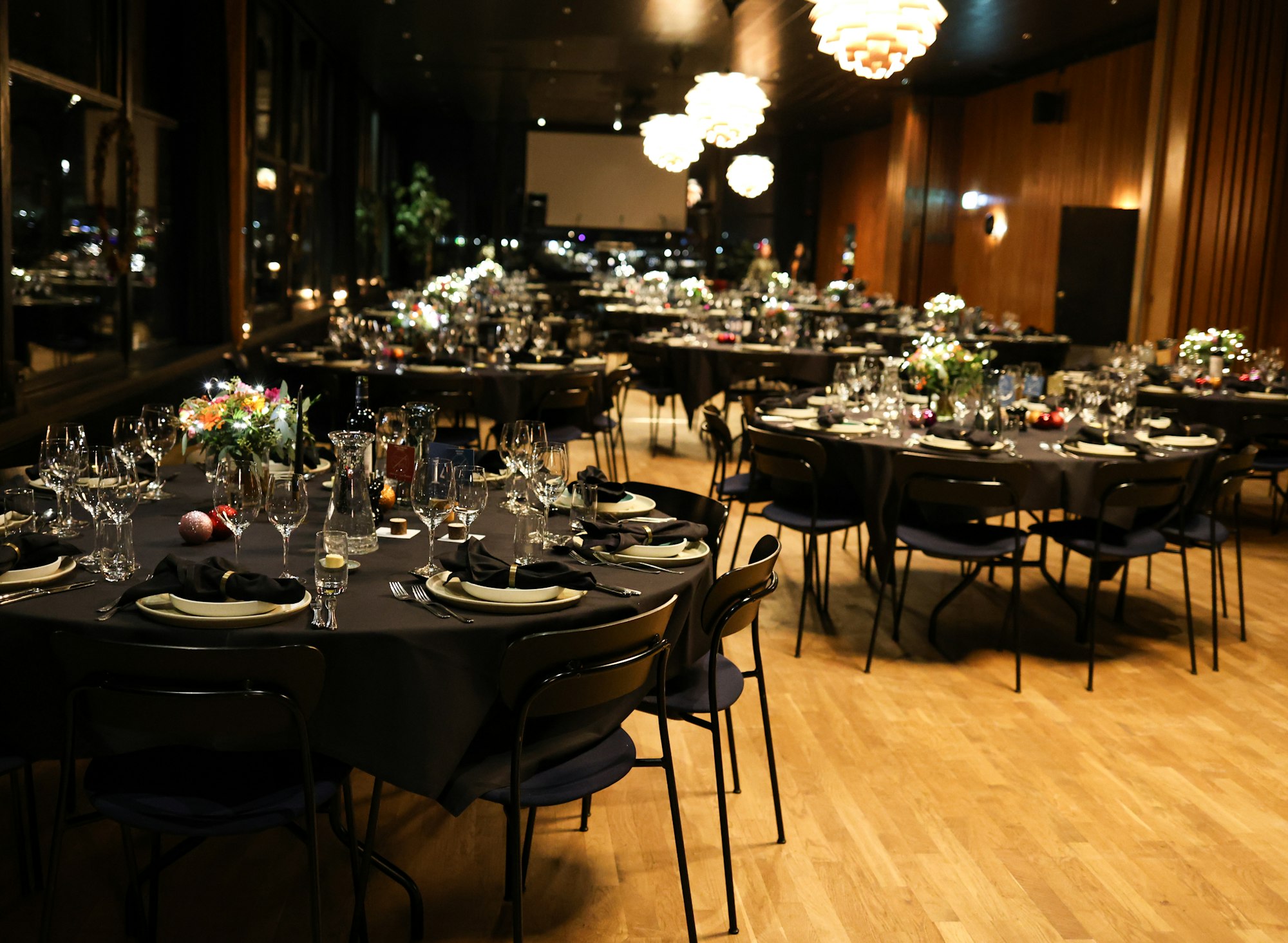
With $557.16 billion donated to charity in 2023 alone and 81% of donors attending nonprofit fundraising events, the charity gala remains one of the most powerful tools in any organization’s fundraising arsenal. Yet despite this enormous potential, many nonprofits struggle to translate an elegant evening into meaningful, lasting impact. The difference between a gala that merely entertains and one that truly inspires lies in meticulous planning, strategic engagement, and a relentless focus on your mission. Whether you’re organizing your organization’s first-ever fundraising gala or looking to elevate an annual tradition, this comprehensive guide will walk you through every step of planning a charity gala that moves hearts, opens wallets, and creates a lasting legacy.
Key Takeaways
- A well-planned charity gala can deliver an 80% or higher ROI, making it one of the most effective fundraising event formats available
- Start planning 6-12 months in advance and assemble a dedicated event committee to share responsibilities
- Immersive experiences, gamification, and hybrid event models are the top gala trends for 2025-2026
- Budget allocation should follow the 40/30/20/10 rule: 40% venue and catering, 30% entertainment and production, 20% marketing and communications, 10% contingency
- Post-event follow-up within 48 hours is critical for donor retention, as only 38% of first-time online donors give again the following year
- Leverage technology for mobile giving, live auction displays, and real-time fundraising thermometers to maximize donations
Table of Contents
- Why Charity Galas Still Matter in 2026
- Setting Your Gala Goals and Budget
- Building Your Gala Planning Team
- Choosing the Perfect Venue and Date
- Designing an Unforgettable Theme and Experience
- Securing Sponsors and Corporate Partners
- Crafting the Program and Entertainment
- Maximizing Revenue: Auctions, Donations, and Beyond
- Marketing and Promoting Your Gala
- Post-Event Follow-Up and Measuring Success
1. Why Charity Galas Still Matter in 2026 {: #why-charity-galas-still-matter-in-2026}
In an era of crowdfunding campaigns and social media donations, you might wonder whether the traditional charity gala still has a place. The data says a resounding yes. According to recent nonprofit research, 81% of donors attend nonprofit fundraising events, and individual giving — which accounts for 67% of all charitable contributions — continues to grow year over year. The total amount raised from individual giving increased 2.9% through the first half of 2025, even as the number of individual donors decreased by 1.9%, indicating that larger, more engaged gifts are driving growth.
The Power of In-Person Connection
There’s something irreplaceable about gathering people together in a room united by a shared cause. A charity gala creates an emotional environment that digital fundraising simply cannot replicate. When donors see the faces of the people they’re helping, hear firsthand stories of impact, and connect with fellow supporters, they’re far more likely to make significant contributions.
Research consistently shows that the average one-time donation is $121, but in the context of a well-executed gala — with its emotional storytelling, peer influence, and live auction excitement — individual contributions often far exceed this baseline. Major donor fundraising can achieve returns of up to 300%, and galas provide the perfect setting for cultivating these high-value relationships.
Beyond the Bottom Line
A charity gala isn’t just about the money raised on a single evening. It serves multiple strategic purposes:
- Donor acquisition: Galas introduce your organization to new supporters who may become long-term donors
- Stewardship: Existing donors feel valued and appreciated when invited to an exclusive event
- Brand awareness: Media coverage and social sharing amplify your organization’s visibility
- Community building: Galas strengthen the sense of community among your supporters
- Major gift cultivation: The intimate setting provides opportunities for meaningful conversations with potential major donors
Gala Trends Reshaping 2025-2026
The charity gala landscape is evolving rapidly. Here are the trends that are defining successful events:
| Trend | Description | Impact |
|---|---|---|
| Immersive experiences | Art installations, VR booths, interactive storytelling | Deeper emotional engagement |
| Gamification | Live leaderboards, donation challenges, table competitions | Increased spontaneous giving |
| Sustainability | Eco-friendly decor, plant-based menus, zero-waste goals | Appeals to younger donors |
| Hybrid models | High-quality livestreaming, virtual donor rooms | Expanded reach and accessibility |
| Personalization | Tailored seating, custom menus, curated experiences | Enhanced donor satisfaction |
| Flexible giving | QR codes, mobile payments, crypto donations | Reduced friction in giving |
2. Setting Your Gala Goals and Budget {: #setting-your-gala-goals-and-budget}
Every successful gala begins with crystal-clear goals. Without defined objectives, you’re simply throwing an expensive party. Your goals should follow the SMART framework — Specific, Measurable, Attainable, Relevant, and Time-bound.
Defining Your Fundraising Target
Start by determining your gross revenue goal and your net fundraising target. These are two different numbers, and confusing them is one of the most common mistakes in gala planning. The average cost to raise a dollar through a special event is approximately 50 cents, which means a 2:1 return on investment. With careful planning and strong sponsorship, you can push this ratio to 3:1 or even 4:1.
Example SMART goals for a charity gala:
- Raise $250,000 in gross revenue with a net goal of $175,000 (70% net-to-gross ratio)
- Acquire 50 new donors who have never contributed to the organization
- Secure 10 corporate sponsors contributing a combined $75,000
- Achieve 95% attendee satisfaction rating on post-event survey
- Generate 500 social media mentions using the event hashtag
Building Your Budget
A well-structured budget is the backbone of gala planning. Here’s the recommended budget allocation framework:
The 40/30/20/10 Budget Rule
| Category | Percentage | Typical Costs |
|---|---|---|
| Venue & Catering | 40% | Venue rental, food, beverages, linens, tableware |
| Entertainment & Production | 30% | Band/DJ, AV equipment, lighting, decor, photography |
| Marketing & Communications | 20% | Invitations, printing, digital marketing, signage |
| Contingency | 10% | Unexpected costs, last-minute changes |
Budget-Saving Strategies
Reducing expenses directly increases your net fundraising total. Consider these proven strategies:
- Negotiate in-kind sponsorships for catering, flowers, and AV equipment
- Partner with local restaurants for donated or discounted food service
- Use volunteer decorating committees instead of professional event designers
- Leverage board member connections for venue discounts
- Seek media sponsorships for marketing in exchange for event recognition
- Use digital invitations to eliminate printing and postage costs
3. Building Your Gala Planning Team {: #building-your-gala-planning-team}
No one can plan a successful gala alone. Building the right team — and starting early enough — is critical to your event’s success. For a large gala, planning should begin 6-12 months in advance, giving sponsors time to budget their support and your team time to execute flawlessly.
Essential Committee Roles
Event Chair(s): The visionary leader(s) who drive the overall direction and rally the team. Ideally, choose someone with strong community connections and fundraising experience.
Logistics Coordinator: Manages venue, catering, transportation, and day-of operations. This person is your details expert who ensures nothing falls through the cracks.
Sponsorship Committee: A team of 3-5 people responsible for identifying, soliciting, and managing corporate and individual sponsors.
Auction Committee: Curates and procures auction items, manages the auction catalog, and coordinates with the auctioneer.
Marketing & Communications Lead: Handles invitations, social media, press outreach, and event branding.
Volunteer Coordinator: Recruits, trains, and manages event-day volunteers for registration, coat check, auction assistance, and more.
Finance/Treasurer: Tracks all income and expenses, manages payment processing, and prepares financial reports.
Planning Timeline
| Timeframe | Key Actions |
|---|---|
| 9-12 months out | Set goals, form committee, secure venue, choose date |
| 6-9 months out | Develop theme, begin sponsor outreach, book entertainment |
| 4-6 months out | Launch marketing, open ticket sales, procure auction items |
| 2-4 months out | Finalize program, confirm vendors, manage RSVPs |
| 1-2 months out | Final walk-through, print materials, brief volunteers |
| Event week | Setup, rehearsal, last-minute coordination |
| Post-event | Thank-you communications, financial reconciliation, debrief |
4. Choosing the Perfect Venue and Date {: #choosing-the-perfect-venue-and-date}
Your venue sets the tone for the entire evening. It’s one of the first things guests will notice and one of the last things they’ll remember. Choose wisely.
Venue Selection Criteria
When evaluating potential venues, consider these factors:
-
Capacity: Ensure the space comfortably accommodates your target attendance plus staff and volunteers. A room that’s too large feels empty; too small feels claustrophobic.
-
Accessibility: The venue should be ADA-compliant and easily accessible by public transportation, rideshare, or with ample parking.
-
Ambiance: Does the space align with your theme? A historic mansion evokes elegance; a modern gallery suggests innovation; a botanical garden offers natural beauty.
-
Technical capabilities: Check for adequate electrical power, internet connectivity, built-in AV systems, and appropriate lighting options.
-
Catering flexibility: Some venues require you to use their in-house caterer. Others allow outside catering, which gives you more control over food costs and menu options.
-
Cost: Venue rental is typically the single largest expense. Look for venues that might offer discounted rates for nonprofit events.
Choosing the Right Date
Timing can make or break your gala. Here are key considerations:
- Avoid conflicts: Check community calendars for competing charity events, major sporting events, holidays, and school breaks
- Seasonal considerations: Spring (April-June) is peak gala season, offering pleasant weather and a fresh energy. Fall (September-November) is also popular, leveraging the giving spirit that builds toward year-end
- Day of the week: Saturday evenings are the gold standard for galas, though Thursday and Friday can work for corporate-heavy audiences
- Lead time: Give yourself enough advance notice to execute your planning timeline properly
Creative Venue Ideas
Think beyond the traditional hotel ballroom:
- Art museums and galleries (built-in ambiance and conversation starters)
- Historic estates and mansions (old-world elegance)
- Rooftop venues (stunning city views and natural atmosphere)
- Botanical gardens and conservatories (natural beauty without extensive decor)
- Wineries and vineyards (built-in catering and bar service)
- Theater stages (dramatic setting with existing lighting and sound)
- Corporate atriums (modern, tech-forward feel)
5. Designing an Unforgettable Theme and Experience {: #designing-an-unforgettable-theme-and-experience}
A compelling theme transforms a standard dinner event into an immersive experience that guests will talk about for months. In 2025-2026, the trend is moving decisively toward experiential events that engage all the senses.
Choosing Your Theme
Your theme should accomplish three things: reflect your organization’s mission, excite your audience, and create visual and emotional impact. Here are theme ideas organized by cause type:
For health and wellness organizations:
- “A Night Under the Stars: Lighting the Way to a Cure”
- “Masquerade for a Cause: Unmasking Hope”
- “Garden of Healing: A Spring Celebration”
For education nonprofits:
- “Bright Futures Gala: Investing in Tomorrow”
- “The Library Ball: A Literary Evening”
- “Innovation Night: Building the Next Generation”
For environmental organizations:
- “The Green Carpet Gala”
- “Ocean Blue: A Sustainable Soirée”
- “Roots and Wings: Celebrating Our Earth”
For arts and cultural organizations:
- “An Evening at the Gallery”
- “The Golden Age: A Jazz-Era Celebration”
- “World Stage: A Cultural Journey”
Creating Immersive Experiences
The most successful galas in 2026 go far beyond table centerpieces. Consider incorporating these experiential elements:
Interactive mission stations: Set up stations throughout the venue where guests can interact with your mission. For a children’s education charity, this might be a display of student artwork. For an environmental organization, an interactive map showing conservation impact areas.
Technology integration: Use projection mapping to transform walls with mission-related imagery. Set up VR headsets that transport guests to the communities you serve. Create a social media wall displaying real-time posts with your event hashtag.
Sensory elements: Commission a signature cocktail that ties into your theme. Work with your caterer to create menu items that tell a story. Use scent diffusers to enhance the atmosphere — fresh florals for a garden theme, warm spices for a winter gala.
Design on a Budget
You don’t need a massive budget to create stunning visual impact:
- Use dramatic lighting instead of expensive decor (uplighting can transform any space)
- Focus investment on a few high-impact areas (entrance, stage backdrop, centerpieces)
- Leverage the venue’s existing architecture and features
- Use candles (real or LED) for instant warmth and elegance
- Incorporate greenery and natural elements, which are affordable and impactful
- Create a photo backdrop that doubles as decor and generates social media content
6. Securing Sponsors and Corporate Partners {: #securing-sponsors-and-corporate-partners}
Sponsorships are the financial engine of most successful galas. Corporate partnerships can cover a significant portion of your event costs, allowing ticket sales and auction proceeds to flow more directly to your mission.
Understanding Sponsor Motivations
Corporations don’t sponsor galas purely out of altruism. Understanding what sponsors want helps you craft irresistible proposals:
- Brand visibility: Logo placement, mentions in marketing, media exposure
- Client entertainment: Premium tables and VIP experiences for their clients
- Employee engagement: Opportunities for their team to volunteer or participate
- Community reputation: Association with a respected cause
- Tax benefits: Charitable contribution deductions
- Networking: Access to your donor base and other sponsors
Creating Sponsorship Tiers
A well-structured sponsorship package gives partners options at various investment levels:
| Tier | Investment | Benefits |
|---|---|---|
| Presenting Sponsor | $25,000+ | Logo on all materials, naming rights, 2 premium tables (20 seats), stage recognition, VIP reception access, social media features |
| Platinum Sponsor | $15,000-$24,999 | Logo on select materials, 1 premium table (10 seats), stage mention, social media recognition |
| Gold Sponsor | $7,500-$14,999 | Logo in program, 8 seats at preferred table, website listing |
| Silver Sponsor | $3,000-$7,499 | Logo in program, 4 seats, website listing |
| Bronze/Friend | $1,000-$2,999 | Name in program, 2 seats |
| In-Kind Sponsor | Varies | Recognition based on value of goods/services donated |
The Sponsorship Ask: Best Practices
- Start with your board: Board members should be your first sponsors and your best connectors to corporate partners
- Research prospects: Target companies whose values align with your mission and whose customer base overlaps with your audience
- Personalize the pitch: Generic sponsorship letters get generic responses (usually “no”). Tailor each proposal to the specific company
- Offer exclusivity: Category exclusivity (e.g., “exclusive banking sponsor”) can command premium pricing
- Follow up persistently: The average sponsorship requires 3-5 touchpoints before a decision is made
- Deliver on promises: Nothing secures next year’s sponsorship like exceeding expectations this year
7. Crafting the Program and Entertainment {: #crafting-the-program-and-entertainment}
Your program is the heartbeat of the evening. A well-crafted program maintains energy, creates emotional peaks, and strategically positions your fundraising asks at the moments of highest engagement.
The Ideal Gala Timeline
A refined program has momentum. Avoid “program fatigue” by balancing formal moments with entertainment and social time:
| Time | Segment | Duration | Energy Level |
|---|---|---|---|
| 6:00 PM | Cocktail reception & silent auction | 60 min | Building |
| 7:00 PM | Doors open, guests seated | 15 min | Transitional |
| 7:15 PM | Welcome & opening remarks | 10 min | High |
| 7:25 PM | Dinner service begins | 45 min | Relaxed |
| 8:10 PM | Mission moment (impact video/speaker) | 10 min | Emotional peak |
| 8:20 PM | Live auction | 30 min | Highest energy |
| 8:50 PM | Fund-a-Need / Paddle Raise | 15 min | Critical fundraising moment |
| 9:05 PM | Entertainment / band performance | 45 min | Celebratory |
| 9:50 PM | Closing remarks & thank you | 10 min | Grateful |
| 10:00 PM | After-party / dancing | Open | Social |
The Mission Moment
This is the most important 10 minutes of your entire evening. The mission moment is when you connect your guests emotionally to your cause and set the stage for generous giving. Here’s how to nail it:
Tell one powerful story. Don’t overwhelm guests with statistics. Instead, focus on a single, compelling story of someone whose life was changed by your organization. The more specific and personal, the better.
Use video strategically. A professionally produced 3-5 minute video can be incredibly powerful. Keep it tight, emotional, and end with a clear call to action.
Have a live speaker. If possible, have a beneficiary speak directly to the audience. Authenticity trumps polish — a genuine, heartfelt story from someone who has been helped is more powerful than a polished presentation.
Time it perfectly. The mission moment should come after dinner (when guests are comfortable and attentive) and immediately before your live auction or paddle raise (when you want maximum emotional investment).
Entertainment Options
| Type | Best For | Budget Range | Energy |
|---|---|---|---|
| Live band | Dancing, celebration | $3,000-$15,000 | High |
| DJ | Versatility, crowd control | $1,000-$5,000 | Moderate-High |
| String quartet | Cocktail hour, dinner | $1,500-$4,000 | Elegant |
| Celebrity emcee | Star power, media attention | $5,000-$50,000+ | Varies |
| Comedian | After-dinner entertainment | $2,000-$10,000 | Fun |
| Spoken word artist | Mission alignment | $1,000-$5,000 | Emotional |
Choosing the Right Emcee
Your emcee can make or break the evening. Look for someone who:
- Understands and believes in your mission
- Can read a room and adjust energy accordingly
- Has experience with live auctions and fundraising asks
- Is genuinely engaging, not just “entertaining”
- Will attend a pre-event briefing and rehearsal
Consider local news anchors, community leaders, or professional benefit auctioneers who specialize in nonprofit events. A skilled professional auctioneer can increase live auction revenue by 30-50% compared to an amateur.
8. Maximizing Revenue: Auctions, Donations, and Beyond {: #maximizing-revenue-auctions-donations-and-beyond}
A charity gala has multiple revenue streams, and maximizing each one requires specific strategies. The most successful galas generate income from several sources simultaneously.
Revenue Stream Breakdown
For a typical $250,000 gala, here’s how revenue might be distributed:
| Revenue Source | Percentage | Amount |
|---|---|---|
| Sponsorships | 30% | $75,000 |
| Ticket sales | 25% | $62,500 |
| Live auction | 20% | $50,000 |
| Fund-a-Need / Paddle Raise | 15% | $37,500 |
| Silent auction | 7% | $17,500 |
| Raffle / other | 3% | $7,500 |
Live Auction Best Practices
The live auction is where the excitement peaks. Here’s how to maximize results:
Curate carefully. Quality over quantity. Limit your live auction to 8-12 items maximum. More items leads to auction fatigue and lower per-item prices.
Choose items with broad appeal. The best live auction items are experiences that can’t be easily purchased:
- Exclusive travel packages (private villa stays, VIP experiences)
- Celebrity or VIP meet-and-greet experiences
- Unique local experiences (private chef dinner, behind-the-scenes tours)
- One-of-a-kind items (commissioned artwork, signed memorabilia)
- “Money can’t buy” experiences related to your mission
Set strategic starting bids. Starting bids should be 30-40% of fair market value. This creates momentum and encourages competitive bidding.
Order items strategically. Start with a mid-value item to warm up the crowd. Build to your highest-value item in the middle or third quarter of the auction. End with a crowd-pleasing item that everyone wants.
The Fund-a-Need (Paddle Raise)
The paddle raise is often the single largest revenue generator at a gala. Here’s the formula for success:
- Emotional setup: The paddle raise must immediately follow your mission moment, when hearts are open
- Clear impact levels: Define exactly what each giving level accomplishes
- Start high: Begin with the highest ask ($25,000, $10,000) and work down
- Celebrate every gift: Acknowledge donors at every level with genuine enthusiasm
- Use technology: Mobile giving platforms allow guests to give via their phones, capturing those who might not raise a paddle
Sample paddle raise levels:
- $25,000 — Fund a complete program for one year
- $10,000 — Sponsor 10 families for six months
- $5,000 — Provide equipment and supplies for an entire classroom
- $2,500 — Support one family for a full year
- $1,000 — Fund one month of services for five individuals
- $500 — Provide essential supplies for one person
- $250 — Cover one week of programming
Silent Auction Strategies
Silent auctions work best during the cocktail hour when guests are mingling and browsing. Modern silent auctions are increasingly mobile-first:
- Use mobile bidding platforms that allow guests to bid from their phones
- Display items attractively with clear descriptions and starting bids
- Include items at various price points ($50-$5,000)
- Group items by category for easy browsing
- Set “buy now” prices on select items to guarantee revenue
- Send push notifications when guests are outbid to drive competitive bidding
Additional Revenue Ideas
- Raffle drawings: Sell tickets for a high-value prize (check local gaming laws)
- Wine pull: Guests pay a set price ($50-$100) to pull a random bottle from a display, with some bottles worth significantly more
- Golden ticket: Sell a limited number of premium tickets that include VIP perks
- Photo booth donations: Set up a photo booth with a suggested donation per strip
- Monthly giving signups: Use the energy of the event to convert one-time donors to recurring givers (recurring donors give an average of $25/month)
- Matching gifts: Arrange for a sponsor to match donations made during the paddle raise, effectively doubling impact
9. Marketing and Promoting Your Gala {: #marketing-and-promoting-your-gala}
Even the best-planned gala will fall flat without effective marketing. Your promotion strategy should build anticipation, sell tickets, attract sponsors, and extend your reach beyond the event itself.
The Marketing Timeline
| Phase | Timing | Focus |
|---|---|---|
| Save the Date | 4-6 months out | Email and physical save-the-dates to VIP list |
| Early Bird | 3-4 months out | Launch ticket sales with early bird pricing |
| Main Push | 2-3 months out | Full marketing campaign across all channels |
| Urgency | 2-4 weeks out | “Limited seats” messaging, final push |
| Event Day | Day of | Live social media coverage, real-time updates |
| Post-Event | 1-2 weeks after | Thank-you content, impact stories, photos/video |
Digital Marketing Strategies
Email marketing remains the most effective channel for gala promotion. Segment your list and tailor messaging:
- Past attendees: “You loved last year — here’s what’s new for 2026”
- Donors who haven’t attended: “Experience our mission in person”
- Lapsed donors: “We miss you — join us for an unforgettable evening”
- New prospects: “You’re invited to the event of the season”
Social media amplifies reach and builds community excitement:
- Create a unique, memorable event hashtag
- Share behind-the-scenes planning content to build anticipation
- Feature sponsor spotlights and auction item previews
- Use countdown posts as the event approaches
- Leverage Instagram Stories and Reels for visual storytelling
- Create a Facebook event and encourage sharing
Website and landing page should serve as your conversion hub:
- Dedicated event page with all essential details
- Easy online ticket purchasing (remember, 57% of nonprofit web traffic is mobile)
- Sponsor recognition section
- FAQ section addressing common questions
- Social proof (testimonials, past event highlights)
Offline Marketing
Don’t neglect traditional channels, especially for an older donor demographic (the average donor is 64 years old):
- Printed invitations for your top donors and VIP prospects
- Board member personal outreach and peer-to-peer selling
- Local media partnerships for event coverage
- Community bulletin boards and newsletters
- Targeted outreach through civic organizations and business groups
Maximizing Social Media During the Event
Live coverage during the gala extends your impact far beyond the room:
- Designate a social media team (2-3 people) for live coverage
- Set up a branded photo wall or selfie station
- Share live updates from the auction and paddle raise
- Post quotes from speakers and VIP guests
- Use Instagram Stories for behind-the-scenes moments
- Encourage guests to post using the event hashtag
- Consider a live stream for supporters who couldn’t attend in person
10. Post-Event Follow-Up and Measuring Success {: #post-event-follow-up-and-measuring-success}
The gala doesn’t end when the last guest leaves. In many ways, the most important work begins the next morning. Your post-event actions determine whether one-time attendees become lifelong supporters.
The 48-Hour Rule
Send personalized thank-you communications within 48 hours of the event. This is non-negotiable. With only 38% of online donors who give one year contributing again the following year, every touchpoint matters.
Thank-you priority list:
- Sponsors: Personal calls from the event chair within 24 hours, followed by formal thank-you letters
- Top donors: Personal calls or handwritten notes from the executive director
- All attendees: Email thank-you with event highlights and impact summary
- Volunteers: Personal recognition and heartfelt thanks
- Vendors: Express appreciation for those who went above and beyond
Measuring Your Gala’s Success
Track these key performance indicators (KPIs) to evaluate your event and improve for next year:
Financial Metrics
| Metric | Formula | Target |
|---|---|---|
| Gross revenue | Total income from all sources | Meets or exceeds goal |
| Net revenue | Gross revenue minus total expenses | 70%+ of gross |
| Cost to raise a dollar | Total expenses / net revenue | $0.50 or less |
| ROI | (Net revenue - total expenses) / total expenses × 100 | 80%+ |
| Average gift size | Total donations / number of donors | Higher than previous year |
| New donor acquisition | Number of first-time donors | Meets target |
Engagement Metrics
| Metric | What It Tells You |
|---|---|
| Attendance rate | Percentage of invited guests who attended |
| Bid participation | Percentage of attendees who bid on auction items |
| Paddle raise participation | Percentage of attendees who gave during fund-a-need |
| Social media mentions | Reach and engagement of event hashtag |
| Survey satisfaction score | Overall attendee experience rating |
| Sponsor renewal intent | Likelihood of sponsors returning next year |
Conducting a Post-Event Debrief
Within one week of the event, gather your planning committee for a thorough debrief:
- What worked well? Document successes to replicate
- What fell short? Identify areas for improvement without assigning blame
- What surprised us? Capture unexpected insights and opportunities
- What would we do differently? Specific, actionable changes for next year
- What feedback did we receive? Consolidate attendee, sponsor, and volunteer feedback
Post-Event Survey
Send a brief survey (5-7 questions maximum) to all attendees within one week. Key questions to include:
- How would you rate your overall experience? (1-10)
- What was the highlight of the evening?
- Was the event worth your time and ticket price?
- How likely are you to attend next year? (1-10)
- What could we improve?
- Would you recommend this event to a friend?
- Any additional comments?
Converting Gala Attendees to Long-Term Donors
The gala is a beginning, not an end. Here’s your 90-day post-event donor cultivation plan:
Week 1-2:
- Send thank-you communications and tax receipts
- Share event photos and video highlights
- Post impact stories on social media
Week 3-4:
- Send an impact report showing how gala funds are being used
- Invite new contacts to join your email newsletter
- Schedule personal follow-ups with top prospects
Month 2:
- Invite gala attendees to a smaller, more intimate engagement event
- Share a project update showing gala funds in action
- Launch a monthly giving campaign targeting gala attendees
Month 3:
- Provide a three-month impact update
- Begin recruiting for next year’s planning committee
- Start conversations with sponsors about renewal
Frequently Asked Questions
How far in advance should I start planning a charity gala?
For a large-scale gala, begin planning 9-12 months in advance. This gives you adequate time to secure a venue, book entertainment, solicit sponsors, and execute a comprehensive marketing campaign. Smaller, more intimate fundraising events can be planned in 4-6 months, but more lead time always leads to better results.
What is a realistic budget for a first-time charity gala?
First-time galas typically range from $15,000 to $75,000 in expenses, depending on the size and scope. A good rule of thumb is to budget expenses at no more than 50% of your conservative revenue estimate. For a first event, aim for 100-150 guests and focus on creating a memorable experience rather than maximizing attendance.
How do I price gala tickets?
Ticket pricing depends on your market, your donor base, and the value you’re providing. Research comparable events in your area. As a general guideline, individual tickets range from $150-$500 for mid-size galas and $500-$2,500 for premium events. Offer table packages (typically 8-10 seats) at a slight discount to encourage group purchases.
Should I hire a professional event planner?
If your organization doesn’t have significant event planning experience in-house, hiring a professional can be a wise investment. A skilled event planner typically charges 10-15% of your total event budget but can save you money through vendor relationships, prevent costly mistakes, and free your team to focus on fundraising and donor engagement.
How can I make my gala more inclusive and accessible?
Inclusivity starts with venue selection — ensure ADA compliance and consider transportation access. Offer dietary accommodations (vegetarian, vegan, gluten-free, kosher, halal). Provide a quiet space for guests who need a break from the stimulation. Consider offering a virtual attendance option. Use inclusive language in all marketing materials and ensure your program reflects the diversity of your community.
What technology do I need for a successful gala?
At minimum, invest in a mobile bidding platform for your auction, a reliable AV system for presentations and entertainment, and a point-of-sale system for donations. Consider adding a live fundraising thermometer display, text-to-give functionality, and a social media wall. With 57% of nonprofit website traffic coming from mobile devices, ensure all your digital tools are mobile-optimized.
How do I handle donors who want to give but can’t attend?
Make it easy for non-attendees to participate. Send them the auction catalog in advance so they can submit absentee bids. Offer a “can’t attend but want to support” donation option on your ticket page. Consider livestreaming key moments (the mission moment and paddle raise) so remote supporters can give in real time. Follow up personally to thank them for their generosity.
What’s the biggest mistake organizations make when planning a gala?
The number one mistake is focusing too much on the party and not enough on the fundraising. A gala should be enjoyable, but every element should ultimately serve your mission and your revenue goals. Other common mistakes include starting too late, underestimating costs, having too many auction items (quality over quantity), and neglecting post-event follow-up.
Conclusion
Planning a charity gala that truly inspires requires equal parts strategic thinking, creative vision, and meticulous execution. From setting SMART goals and building the right team to crafting an unforgettable experience and maximizing every revenue stream, the steps outlined in this guide provide a roadmap to fundraising success.
Remember that the most successful galas do more than raise money — they build community, deepen relationships, and advance your mission in ways that extend far beyond a single evening. With $557.16 billion in annual charitable giving and 81% of donors attending nonprofit events, the opportunity is enormous for organizations willing to invest the time and effort in doing it right.
Start your planning today. Assemble your team, set your goals, and begin creating an event that will move hearts, inspire generosity, and make a lasting difference in the lives of the people you serve.
Ready to start planning your charity gala? Explore our charity gala event template to get a head start on your planning process with our AI-powered event planning tools.