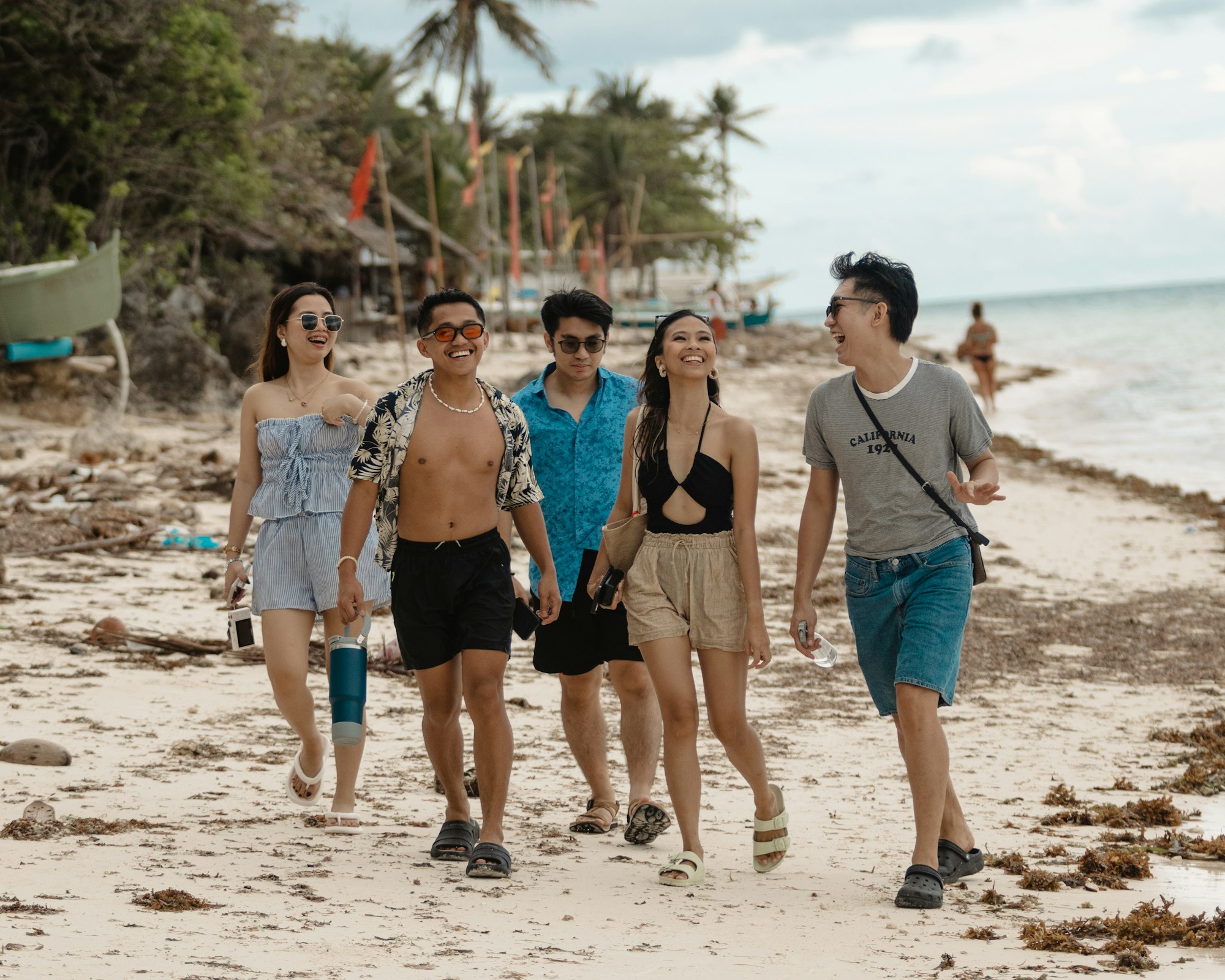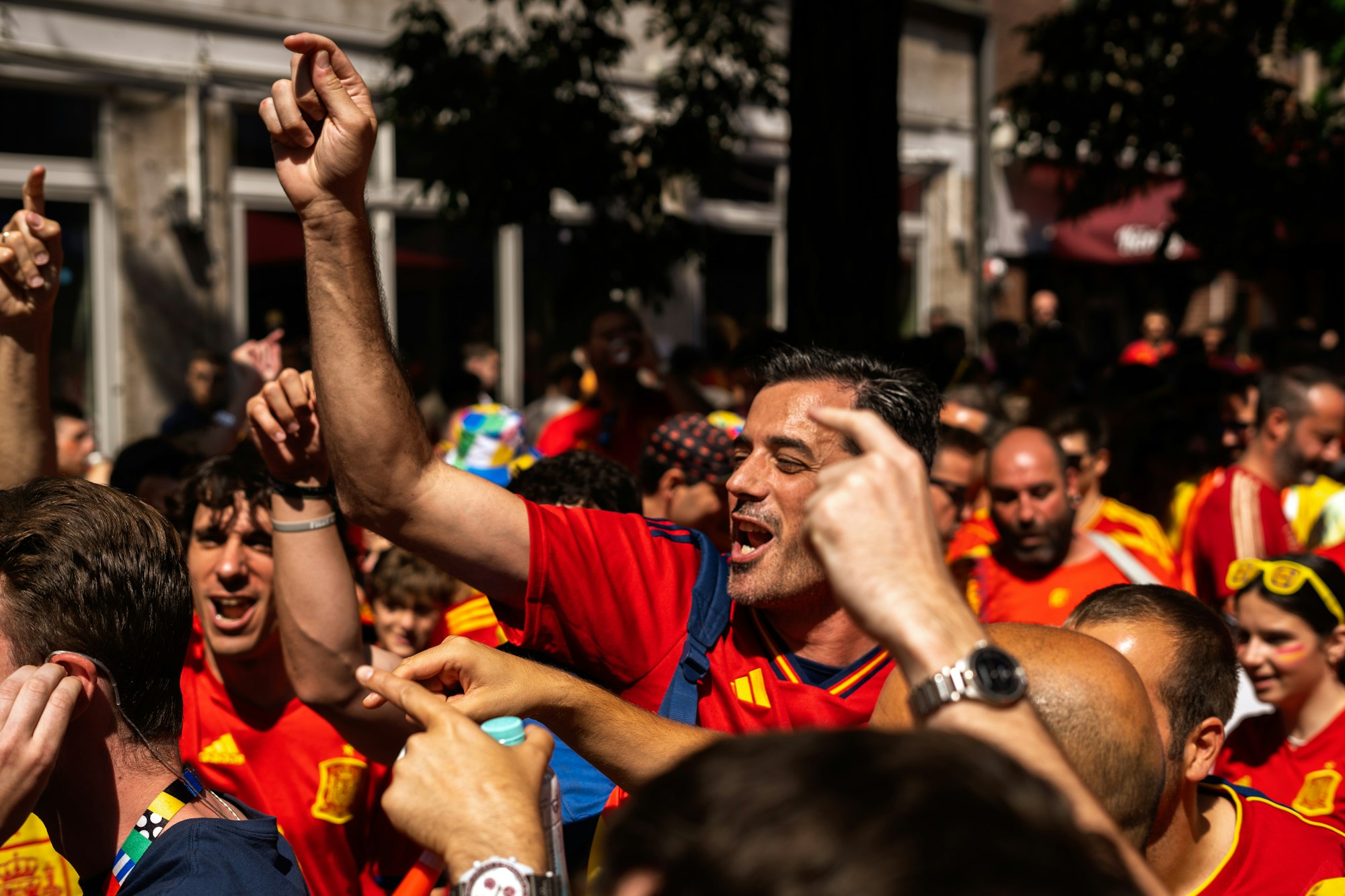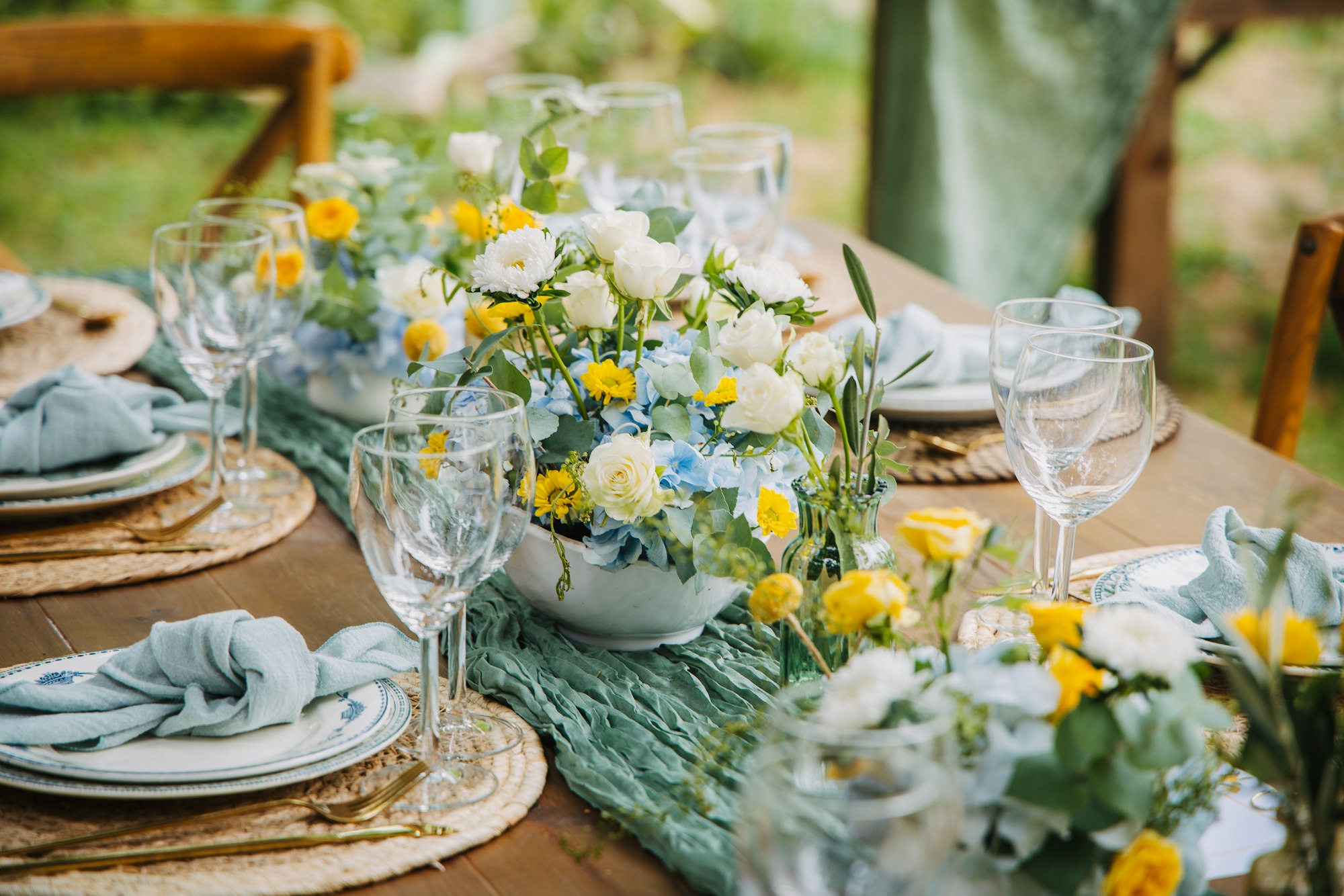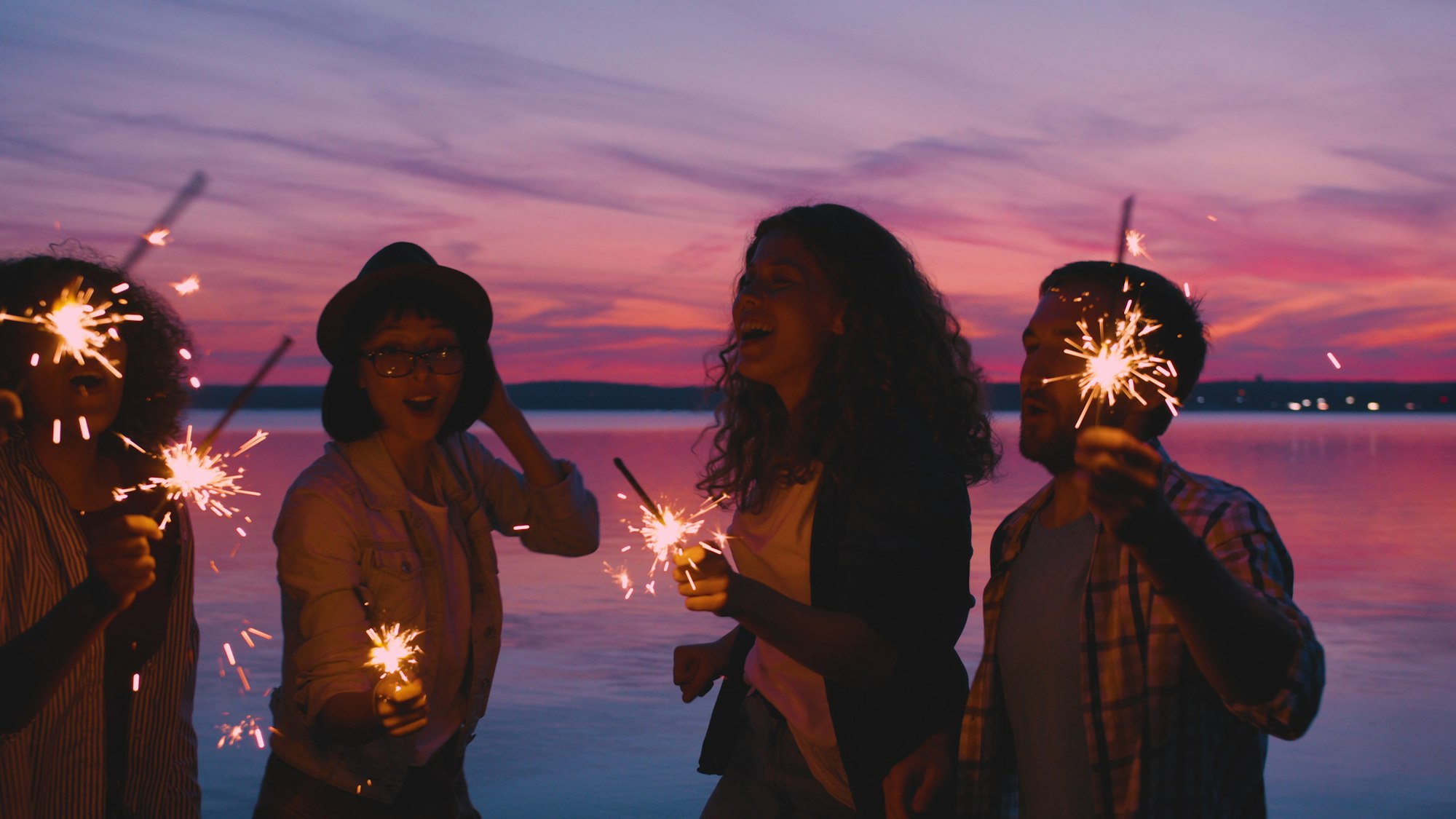
Eighty-seven percent of Americans celebrate Independence Day, the National Retail Federation projects $8.9 billion in collective spending on Fourth of July food alone, and 2026 carries a weight no other recent year has — the 250th anniversary of the Declaration of Independence. America250 is calling July 3-4, 2026, “America’s Block Party,” and for the first time in its 120-year history, the Times Square Ball will drop outside of New Year’s Eve, descending at midnight from July 3 into July 4. In short: this is the most consequential Fourth of July most living Americans will ever celebrate, and your backyard is part of it.
The good news is you don’t need a marching band, an ordinance permit, or a stadium-sized fireworks license to throw a Fourth of July party your guests will remember for years. You need a plan. This guide walks you through every layer of a great Independence Day celebration — from the menu math and the music timeline to the safety considerations of a 250th-anniversary fireworks show that’s likely to be the biggest your neighborhood has ever seen.
Key Takeaways
- 87% of Americans celebrate Independence Day; the average household spends roughly $170 per celebration, making July 4th a $15+ billion economic event.
- 2026 marks America’s 250th anniversary, with synchronized national programming through America250’s “Block Party” initiative that home celebrations can tap into.
- Evite forecasts that 2026 marks a return to home-based celebrations, with people seeking the warmth and intimacy of backyard parties over large public events.
- Plan backward from the day’s three peaks: afternoon arrival/swim, dinner around 6 p.m., and the fireworks-watching window starting around 9 p.m.
- 83% of celebrators buy food, 44% buy alcohol, and 27.5% buy fireworks — your shopping list should reflect these priorities.
- Layer patriotic decor without crossing into kitsch: red, white, and blue should appear in three places, not thirty.
Table of Contents
- Why 2026 Is the Fourth of July to Get Right
- Choosing Your Party Format
- The Six-Week Planning Timeline
- The Menu: Classic Cookout, Patriotic Twist
- Drinks, Hydration, and the Heat Plan
- Decor: Patriotic Without the Kitsch
- Activities, Music, and the All-Day Energy Curve
- Fireworks, Safety, and the Show
- Budget Breakdown for a 25-Person Cookout
- Day-Of Execution: Hour by Hour
- Frequently Asked Questions
1. Why 2026 Is the Fourth of July to Get Right
The Fourth of July is the second-most-celebrated holiday in America after Christmas. Every year, 87% of Americans participate, almost 300 million people in total. Spending tells a similar story: collective Independence Day spending hit $15.5 billion in 2024, and the National Retail Federation projects $8.9 billion on food alone for 2026, with average per-household spending around $170.
What makes 2026 different is the 250th anniversary. The Declaration of Independence was signed on July 4, 1776 — meaning July 4, 2026, is the semiquincentennial. America250, the official commemoration program, is coordinating “America’s Block Party” with synchronized programming across the country, beginning with five host cities (including Milwaukee’s Summerfest). The Times Square Ball will drop into July 4 at midnight in New York. The Los Angeles Memorial Coliseum will host a 50,000-person family concert with a nationwide livestream.
For home hosts, this matters in three concrete ways:
- Cultural energy is high. Guests will arrive primed for a meaningful celebration, not just a casual cookout. A small touch of historical reflection — a toast, a reading, a curated playlist — lands better in 2026 than it would in any other year.
- Public events will be crowded. Cities with major fireworks shows expect record turnout. Many guests will prefer your backyard, your music, and your food over the chaos of public gatherings — Evite’s 2026 forecast confirms a strong return to home-based celebrations.
- The day falls on a Saturday. July 4, 2026 is a Saturday, giving you a full weekend window. You don’t need to compress the celebration into a weeknight.
The takeaway: hosting a great Fourth of July in 2026 is high-leverage. The cultural moment, the calendar, and the household trend all align. Done well, your party becomes a touchstone people remember for the next 25 years.
2. Choosing Your Party Format
Before you pick a date or send invites, decide what kind of Fourth of July party you’re actually throwing. The format determines everything downstream.
The Five Main Formats
| Format | Guest Count | Duration | Vibe | Host Effort |
|---|---|---|---|---|
| Backyard Cookout | 10-20 | 4-5 hours | Casual, relaxed | Medium |
| All-Day Pool/Yard Party | 15-30 | 8-10 hours | Drop in/out | Medium-high |
| Fireworks Watch Party | 10-25 | 3-4 hours | Evening focus | Low-medium |
| Block Party | 25-75 | 6-8 hours | Communal | Medium (distributed) |
| Patriotic Themed Bash | 20-50 | 5-7 hours | Curated theme | High |
The Format Decision Tree
- Have a pool, sprinkler, or shaded yard? All-day works. Without water access, July heat caps practical duration.
- Within walking/sight distance of a public fireworks show? A watch party becomes the natural anchor — guests arrive at 7 p.m. for the show.
- Live on a quiet street with cooperative neighbors? A block party multiplies the fun for less per-host effort.
- Want a structured experience with photos people will share? A themed bash justifies the extra effort, especially in 2026.
The All-Day Hybrid
The 2026-friendly version most experienced hosts choose: an arrival window starting around 2-3 p.m., a sit-down meal around 6 p.m., and an evening fireworks segment from 9 p.m. onward. Guests can come for one segment or all three, removing the pressure of a strict start time. This works especially well on a Saturday when nobody’s racing to bed.
3. The Six-Week Planning Timeline
Great parties aren’t thrown together — they’re staged. Here’s the timeline for any Independence Day celebration of 15+ guests. Scale down proportionally for smaller events.
6 Weeks Out (Late May)
- Lock the date and time window
- Set guest count and budget ceiling
- Pick the format (Section 2)
- Reserve any rentals — tables, chairs, tents, pool floats — July 4 weekend rental inventory disappears fast
- Send save-the-dates if it’s a milestone-sized event
- If you’re buying consumer fireworks, check state laws now (rules vary dramatically — see Section 8)
4 Weeks Out (Mid-June)
- Send formal invitations with clear RSVP deadline
- Draft the menu (see Section 4)
- Ask about dietary restrictions in your invite
- Plan activities, music, and the fireworks-viewing setup
- Order specialty items: custom cake, themed party favors, professional fireworks (if licensed)
2 Weeks Out (Late June)
- Finalize headcount based on RSVPs (assume a 5-10% no-show rate)
- Buy non-perishables: charcoal, propane, paper goods, condiments, drinks, decor
- Confirm rentals and pickup logistics
- Test new equipment — don’t debut a smoker on game day
- Buy or download a national-anthem-quality version for the day
1 Week Out
- Deep clean the yard, pressure-wash the patio, mow the lawn
- Service the grill: clean grates, check fuel levels, replace propane if low
- Confirm any borrowed items (extra coolers, chairs) from neighbors
- Plan the cooking sequence with timing
- Buy and freeze ice in advance (see Section 5 for ice math)
- Remind guests of timing, parking, and any items to bring
2 Days Before
- Buy fresh produce and proteins
- Make sides that hold well (potato salad, slaw, baked beans actually improve overnight)
- Brine or marinate proteins requiring overnight prep
- Stock the bar and drink stations
- Confirm the weather forecast and trigger your rain plan if needed
Day Before
- Set up tables, chairs, lighting, and any tents
- Pre-fill coolers with ice (with a barrier between ice and drinks)
- Prep all non-grilled food
- Charge speakers and outdoor lighting batteries
- Lay out serving dishes, utensils, signage, and decor
Day Of
- Light grill 30-45 minutes before first cook
- Set up beverage station first
- Place activity stations
- Start music 30 minutes before guest arrival
- Plate and serve in sequence
4. The Menu: Classic Cookout, Patriotic Twist
Survey data is unambiguous: 83% of Independence Day celebrators plan to buy food, and the most-loved grill staples are hamburgers (77%), hot dogs (65%), chicken (55%), steak (54%), ribs (46%), and bratwurst (25%). The Fourth of July is not the day to debut your sous-vide duck breast. Build the menu around classics — then add visual patriotism through colors and presentation.
The 60/30/10 Menu Rule
For a Fourth of July spread, allocate:
- 60% iconic American classics — burgers, hot dogs, chicken, sweet corn, watermelon, baked beans, potato salad, apple pie
- 30% upgraded staples — bone-in chicken thighs with bourbon glaze, smoked ribs, grilled corn with cotija and lime, watermelon-feta salad
- 10% themed showstoppers — flag-decorated berry tart, red-white-blue layered drinks, star-shaped sandwiches for kids
This structure anchors the meal in the familiar while giving guests something photograph-worthy.
Quantity Math for 25 Guests (20 Adults, 5 Kids)
| Item | Quantity | Notes |
|---|---|---|
| Burger patties (4 oz) | 30-35 | 1.5 per adult, 1 per child |
| Hot dogs / sausages | 30 | 1.5 per adult, 1 per child |
| Chicken pieces | 35 | 2 per adult, 1 per child |
| Buns (burger + hot dog) | 60 | Always buy 25% extra |
| Side dishes | 25 cups combined | 1 cup per adult |
| Watermelon | 1 large + 1 medium | Doubles as decor |
| Dessert | 30 servings | Patriotic-themed if possible |
The Patriotic Color Strategy
The visual identity of Fourth of July food is red, white, and blue. Lean into it without going overboard:
Red: strawberries, watermelon, raspberries, cherries, tomatoes, red bell peppers, pulled pork White: vanilla ice cream, whipped cream, white cheddar, mozzarella, coconut, sour cream, cauliflower Blue: blueberries, blackberries (the only natural blue food group)
Three high-leverage patriotic dishes:
- Berry flag fruit platter — strawberries, blueberries, and whipped cream or marshmallows arranged as the American flag. Easy, photogenic, expected.
- Red-white-blue layered drink — grenadine, lemonade, blue Powerade carefully layered. Kids love it, adults appreciate the spectacle.
- Star-shaped watermelon slices — cut watermelon rounds into stars with a cookie cutter. Uses no extra food, just slightly more time.
Don’t Forget Vegetarian and Dietary Options
At least 10-15% of any modern guest list will have dietary restrictions. Plan for them deliberately:
- Vegetarian: plant-based burgers, portobello caps, halloumi cheese, vegetable kebabs
- Gluten-free: label sides clearly; offer GF buns or lettuce wraps
- Dairy-free: keep one slaw vinegar-based; offer one cheese-free side
- Kid-friendly: plain hot dogs, basic burgers without seasoning, fruit kebabs
Sides That Actually Get Eaten
Survey data ranks the most popular cookout sides as potato salad (60%), corn on the cob (54%), baked beans (53%), and watermelon (48%). These four are non-negotiable for a traditional July 4 spread. Add one or two of:
- Coleslaw (vinegar-based travels and holds better than mayo-based)
- Pasta salad
- Grilled vegetable platter
- Caprese skewers (tomato + mozzarella + blueberries hits the color theme)
- Chips and dip station
5. Drinks, Hydration, and the Heat Plan
Beer is the top alcohol pick for 44% of Fourth of July celebrators. Combined with summer heat — average July 4 temperatures across the U.S. range from 72°F to 91°F — this is a day where hydration math matters more than at any other party.
Drink Quantity for 25 Adults Across an All-Day Party
- 3 cases of beer (72 cans)
- 1 case of seltzer (24 cans)
- 4-6 bottles of wine
- 3 large pitchers of mixers (lemonade, iced tea, agua fresca)
- A water station with cups and a 5-gallon jug
- 2-3 bottles of liquor for cocktails (bourbon for an Old Fashioned bar is a strong July 4 choice)
- 4-5 large bottles of soda
- 12+ bottles of water for to-go and emergency hydration
Patriotic Drink Ideas
- Red, white, and blue layered punch — grenadine, lemonade, and blue curacao or blue Powerade carefully poured over ice
- Bourbon-cherry-Coke — bourbon, fresh cherries, and Coca-Cola in a Mason jar. Quintessentially American.
- Flag mojito — muddled strawberries, mint, blueberries, white rum, lime, soda
- Adult Capri Sun pouches — vodka or rum-based fruit punch in clear pouches with stars-and-stripes labels
- Watermelon-jalapeño margarita — sweet, slightly spicy, refreshing on a hot day
The Ice Math (This Is the Big One)
The ice calculation is where most hosts radically underbuy. For a hot-day, all-day Fourth of July party, plan on:
- 1 lb of ice per person, per hour for cooler maintenance
- An additional 0.5 lb per person for drinks themselves
For a 25-person, 8-hour party, that’s 200 lbs of ice for cooling plus 12.5 lbs for drinks. About 215 pounds of ice. Most hosts buy 50 lbs and run out by 4 p.m.
Cooler Strategy
- Use separate coolers: one for beer, one for non-alcoholic drinks, one for raw meat (kept closed and shaded)
- Pre-chill drinks in the fridge before they go in the cooler
- Drain melted water every couple hours and replace with fresh ice
- Keep coolers in the shade — direct sun cuts ice life by 50%+
- For longer events, freeze 1-gallon jugs of water and use them as ice — they last longer and become drinking water as they melt
The Mandatory Water Station
Set up a dedicated water station with cups, separate from your drink coolers. Mark it visibly. People dramatically underdrink water at parties, especially when alcohol flows in summer heat. A visible, easy-access water source reduces both dehydration and the next morning’s regret.
6. Decor: Patriotic Without the Kitsch
The most common Fourth of July decor mistake is overdoing it. A house draped in 60 American flag novelty items reads less like patriotism and more like a clearance-bin disaster. The best 2026 hosts will pick three high-impact patriotic touches and let the food, sky, and energy do the rest.
The Rule of Three
Pick three categories and execute each one well:
- Table treatment — red gingham tablecloth, white plates, blue napkins; or red, white, and blue paper goods on a wooden farmhouse table
- Overhead element — string lights with red, white, and blue bulbs; bunting on the porch railing; a large American flag on a wall or fence
- One showstopper — a balloon arch in patriotic colors, a giant chalkboard with “Happy 250th, America!”, or a styled photo backdrop
That’s it. No flag napkin rings AND flag silverware AND flag straws AND flag balloons AND flag tablecloths. Pick three; let them breathe.
A Note on the Flag
Display the American flag with the respect U.S. Flag Code traditions warrant. Some specifics worth knowing:
- The flag should be lit at night if displayed after sunset
- It shouldn’t touch the ground
- Disposable flag-themed napkins, plates, and tablecloths are not “the flag” in code terms — they’re patriotic-themed decor and are widely accepted, but if you want to be extra careful, choose striped patterns or star patterns rather than literal flag reproductions on disposables
Lighting Plan for Evening
The Fourth of July party doesn’t end at sunset — it transitions to fireworks. Plan lighting for the post-sunset hours:
- String lights overhead — the single highest-leverage decor choice
- Lanterns or LED candles on tables
- Path lighting to bathroom and parking
- Spotlight on the cook zone — you need to see what you’re doing
- A central fire feature — fire pit or chiminea — extends the gathering naturally past fireworks
Photo Moments
Build at least one styled photo backdrop. People will share photos for weeks; in 2026 with the 250th anniversary, they’ll share more than usual. A simple option: a bunting-decorated wall or a “Happy 250th, America” wooden sign with a chair beside it. The goal is one Instagram-worthy shot, not a scenic Disneyland.
7. Activities, Music, and the All-Day Energy Curve
Survey data ranks cards (27%), cornhole (26%), and swimming (24%) as the top cookout activities. Plan for an all-day energy curve: peaks of activity, valleys of relaxation, and a clear transition into the fireworks finale.
The Activity Lineup
Plan three activity tiers:
- Main lawn games — cornhole, ladder ball, giant Jenga, volleyball if you have space
- Casual table activities — card games (Uno, poker chips), giant connect four, a puzzle on a side table
- Kid zone — sidewalk chalk, water balloons, Slip ’N Slide, sparklers (supervised) at dusk, a craft table with tiny flags
The All-Day Energy Curve
For an all-day party (3 p.m. to 10 p.m. or later), plan structured energy peaks:
- 3-4 p.m. (arrival, mingle): background music, snacks, drinks, lawn games available
- 4-5 p.m. (peak afternoon): main activities, swimming if you have a pool
- 5-6 p.m. (transition): music shift, drink refresh, watermelon and snacks
- 6-7 p.m. (dinner peak): main meal, structured eating, conversation
- 7-8 p.m. (golden hour): group photos, dessert, slower vibes
- 8-9 p.m. (twilight): fire pit lit, sparklers for kids, anticipation builds
- 9 p.m.+: fireworks, wind-down, lingering by the fire
The Music Plan
Build a 7-hour playlist before the event. Don’t trust algorithms. Structure it as:
- Hours 1-2 (arrival): upbeat but background — Tom Petty, Jimmy Buffett, classic Motown
- Hours 3-4 (peak): singalongs and Americana — Bruce Springsteen, Bob Dylan, Johnny Cash, John Mellencamp, Stevie Wonder
- Hour 5 (sunset): slower vibes — Fleetwood Mac, James Taylor, Lana Del Rey
- Hour 6 (twilight to fireworks): anthemic builds — Whitney Houston’s “Star-Spangled Banner,” instrumental classical for fireworks
- Hour 7 (post-fireworks): mellow — acoustic, jazz, soft rock
Test the speaker setup the day before. Volume that works in your living room is too quiet outdoors — but volume that overwhelms conversation drives guests home early.
The Optional Toast
A two-minute toast somewhere between dinner and dessert is a 2026-appropriate touch. Read a short excerpt from the Declaration of Independence, raise a glass to whatever the day means to your guests, and let it land. Don’t make it a speech. People remember moments, not monologues.
8. Fireworks, Safety, and the Show
The Fourth of July fireworks experience splits into two camps: watching public shows and lighting your own. Both have merit; both require planning.
Watching Public Fireworks
If you live near a major show, position your party for the experience. Set up:
- Low chairs facing the right direction before sunset
- Blankets for kids and casual seating
- Glow sticks or sparklers to entertain younger guests pre-show
- A radio or speaker tuned to the official simulcast if there is one — most major shows have one
- A countdown moment at 8:30 or 9:00 p.m. to gather everyone
Buying Consumer Fireworks
If you’re lighting your own, the rules vary dramatically by state. As of 2026:
- All consumer fireworks legal: most U.S. states
- Sparklers and novelties only: several Northeast states
- Completely banned: a small handful of states
Always check your specific state and local ordinances. Cities and counties often impose tighter restrictions than the state, and HOAs frequently ban fireworks entirely. The fines for illegal fireworks discharge can be substantial.
Fireworks Safety Checklist
- Light fireworks only on a flat, hard surface — never on grass that could ignite
- Have a bucket of water and a hose ready
- Maintain a 35+ foot safety perimeter around all guests
- Never let young children handle anything other than supervised sparklers
- Sparkler tips reach 1,200°F — supervise closely and dispose in water
- Never relight a “dud” — soak it in water and dispose
- Wear safety glasses when lighting
- Don’t drink alcohol before lighting
- Check wind conditions before starting
- Keep pets indoors during the show
A Note on Pets
Fireworks cause severe stress in dogs, cats, and many birds. The Fourth of July is the single highest day for lost pets in the U.S. Bring pets indoors hours before any expected fireworks, draw curtains, play soothing music or use a Thundershirt, and confirm ID tags are current. If you have guests bringing pets, ask in advance how the animal handles fireworks; some pets do better at home.
9. Budget Breakdown for a 25-Person Cookout
The average American household spends about $170 on Fourth of July celebrations. For a host of 25 guests, that ratio scales: a well-run Fourth of July typically costs $400-$1,000 depending on menu ambition and decor.
Sample $700 Budget
| Category | % | $ |
|---|---|---|
| Proteins | 35% | $245 |
| Drinks (incl. alcohol) | 22% | $154 |
| Sides and produce | 10% | $70 |
| Buns, condiments, snacks | 7% | $49 |
| Ice | 4% | $28 |
| Fireworks/sparklers | 7% | $50 |
| Decor and lighting | 5% | $35 |
| Paper goods, utensils | 4% | $28 |
| Fuel (propane/charcoal) | 3% | $20 |
| Contingency | 3% | $21 |
Cost-Saving Tactics
- Buy proteins from a local butcher in bulk. A whole pork shoulder or chicken thighs in 10 lb bags often beats grocery prices by 30-40%.
- Make sides from scratch. Store-bought potato salad costs 3x what homemade does.
- Source drinks from warehouse clubs. Beer, wine, and seltzers in Costco / Sam’s Club / BJ’s are dramatically cheaper.
- Use a “bring a side” structure for casual gatherings — distributes cost and improves variety.
- Skip professional decor. Bunting on the porch and string lights look better than store-bought “patriotic packs.”
- Buy fireworks at end-of-season clearance the year before — they keep fine in dry storage.
Where Not to Skimp
- Quality protein. Cheap meat is the most visible compromise.
- Ice infrastructure. Warm drinks ruin a hot-day party.
- A real instant-read thermometer. $25 saves a hundred dollars of mis-cooked meat over a season.
- Sparklers. Cheap sparklers fizzle; quality ones last 60+ seconds and create the photos guests share.
10. Day-Of Execution: Hour by Hour
Execution day separates the experienced host from the panicked one. Here’s an hour-by-hour for an all-day party with a 3 p.m. arrival window and 9 p.m. fireworks.
Morning (8 a.m. - noon)
- 8:00 — Light coffee, walk the yard, do final tidying
- 9:00 — Start any sides that need oven time (baked beans, mac and cheese)
- 10:00 — Set up tables, chairs, beverage station, lighting
- 11:00 — Pre-fill coolers with ice; chill drinks
- 11:30 — Lay out serving platters, signage, decor
Early Afternoon (noon - 2 p.m.)
- 12:00 — Light lunch for yourself
- 1:00 — Set up activity stations, hang bunting and string lights
- 1:30 — Light grill for any low-and-slow proteins
- 2:00 — Final yard pass; check bathroom is stocked
Pre-Arrival (2 - 3 p.m.)
- 2:30 — Light additional grill burners as needed
- 2:45 — Put out snacks (chips, dips, crudité)
- 2:55 — Start playlist, change into hosting outfit, grab a drink
Arrival and Mingle (3 - 4:30 p.m.)
- Guests arrive over 60-90 minutes
- Greet at the gate, point them to drinks
- Don’t start the main cook until 70-80% of guests have arrived
- Keep a glass in your hand; it signals relaxation
Main Cook and Meal (4:30 - 6:30 p.m.)
- 4:30 — Begin main cook, batched by required temperature
- 5:30 — Pull each protein at correct internal temp, rest 5-10 min
- 5:45 — Open buffet line; let guests serve themselves
- 6:00 — Stay near the food station for 10 minutes to manage flow
- 6:30 — Keep one protein going for late arrivals or seconds
Golden Hour to Twilight (6:30 - 8:30 p.m.)
- 6:30 — Group photo time at the styled backdrop
- 7:00 — Dessert
- 7:30 — Light fire pit
- 7:45 — Optional toast (Section 7)
- 8:00 — Distribute sparklers (kids first, supervised)
- 8:30 — Re-fill drinks, head to fireworks viewing setup
Fireworks and Wind-Down (9 p.m. - end)
- 9:00 — Fireworks begin (public show or your own)
- 9:30 — Switch playlist to mellow vibes
- 10:00 — Coffee available for late-night drivers
- 10:30+ — Lingering by the fire pit; let it end naturally
Cleanup Strategy
- Walk one pass with a trash bag during the meal lull
- Designate “wet bin” and “dry bin” for organized cleanup
- Stack dirty dishes into a dedicated tub, not the sink
- Clean grill grates while warm
- Pack up leftovers in clearly labeled containers and give them away
- Dispose of all firework debris in water before bagging
- Do major cleanup the next morning if possible — you’ve earned it
11. Frequently Asked Questions
How early should I send invitations for a Fourth of July party?
Because it’s a holiday weekend with widespread travel and competing plans, send save-the-dates 6-8 weeks out (mid-May for a July 4 event) and formal invitations 4 weeks out. The 250th anniversary year amplifies this timing — guests will receive multiple Fourth of July invitations.
What’s the most important thing to nail on July 4?
After food: ice and the heat plan. July 4 is the hottest party day of the average American year, and an under-iced cooler full of warm beer at 4 p.m. is the kind of detail that defines the day in guests’ memory. Buy double the ice you think you need.
Are consumer fireworks legal where I live?
It depends entirely on your state and local jurisdiction. Even within fireworks-legal states, many cities and counties impose tighter restrictions, and most HOAs ban them entirely. Check three layers: state law, city/county ordinance, and HOA rules. Always confirm 4+ weeks in advance so you have time to adjust plans.
Can I host a Fourth of July party without alcohol?
Absolutely. The dry-Fourth movement is growing, and 56% of Americans don’t plan to buy alcohol for July 4. Excellent alcohol-free alternatives: house-made lemonades, agua fresca, premium sparkling waters, and elaborate non-alcoholic mocktails (a Shirley Temple bar is a crowd-pleaser).
What if it rains on July 4?
Have a plan B. Decide your rain trigger (e.g., 50%+ probability after 2 p.m.) and what you’ll do — move to the garage, set up a tent, postpone to July 5. Communicate the decision to guests by 9 a.m. on the day-of, not at 4 p.m. when the first drops fall. If a public fireworks show is rained out, most cities reschedule for July 5.
How do I handle the 250th-anniversary moment without making it cheesy?
The 2026 anniversary works best as subtle texture, not as a theme. A short toast referencing 250 years. One curated photo with a small “Happy 250th” sign. An America250-themed playlist segment. A Declaration excerpt read aloud. Don’t make every napkin and balloon say “250” — let one or two moments carry the weight.
What about guests with kids who haven’t seen fireworks before?
Talk to parents in advance about expected times and noise. Some kids handle fireworks beautifully; others need ear protection or to watch from inside through a window. Have a quiet indoor space available — a downstairs bedroom or living room with a TV — for kids who need a break.
How long should the party realistically last?
For all-day Fourth of July: 6-8 hours. The natural arc — afternoon arrival, dinner peak, fireworks finale — fits a 3 p.m. to 10 p.m. window. Less than 5 hours feels rushed; more than 9 hours exhausts even the most energetic host.
What’s the single best 2026-specific touch I can add?
A handwritten card at each place setting (or on a central display) with a one-line fact about America in 1776 or a short quote from the Declaration. Costs nothing, takes 30 minutes, and gives the day a layer of meaning that 99% of Fourth of July parties will skip.
Conclusion
The Fourth of July sits at a unique intersection of national tradition, peak summer weather, and cultural anticipation — and 2026 turns the volume up on all three. The 250th anniversary, the Saturday-aligned calendar, and the Evite-confirmed return to home-based celebrations make this the right year to host with intention rather than improvisation.
The fundamentals of a great Fourth of July haven’t changed in 250 years: people, food, fire, and a moment of shared meaning. What’s new in 2026 is the cultural weight your gathering can hold. A small toast, a curated photo, a moment of pause before the fireworks — these are the touches that turn a casual cookout into the party your guests still talk about at the 251st anniversary.
Plan the timeline, buy the ice, light the grill. Then trust the structure and enjoy your own party — because the host who’s having a good time is the host whose guests have one too.
Happy 250th, America. Make it a good one.