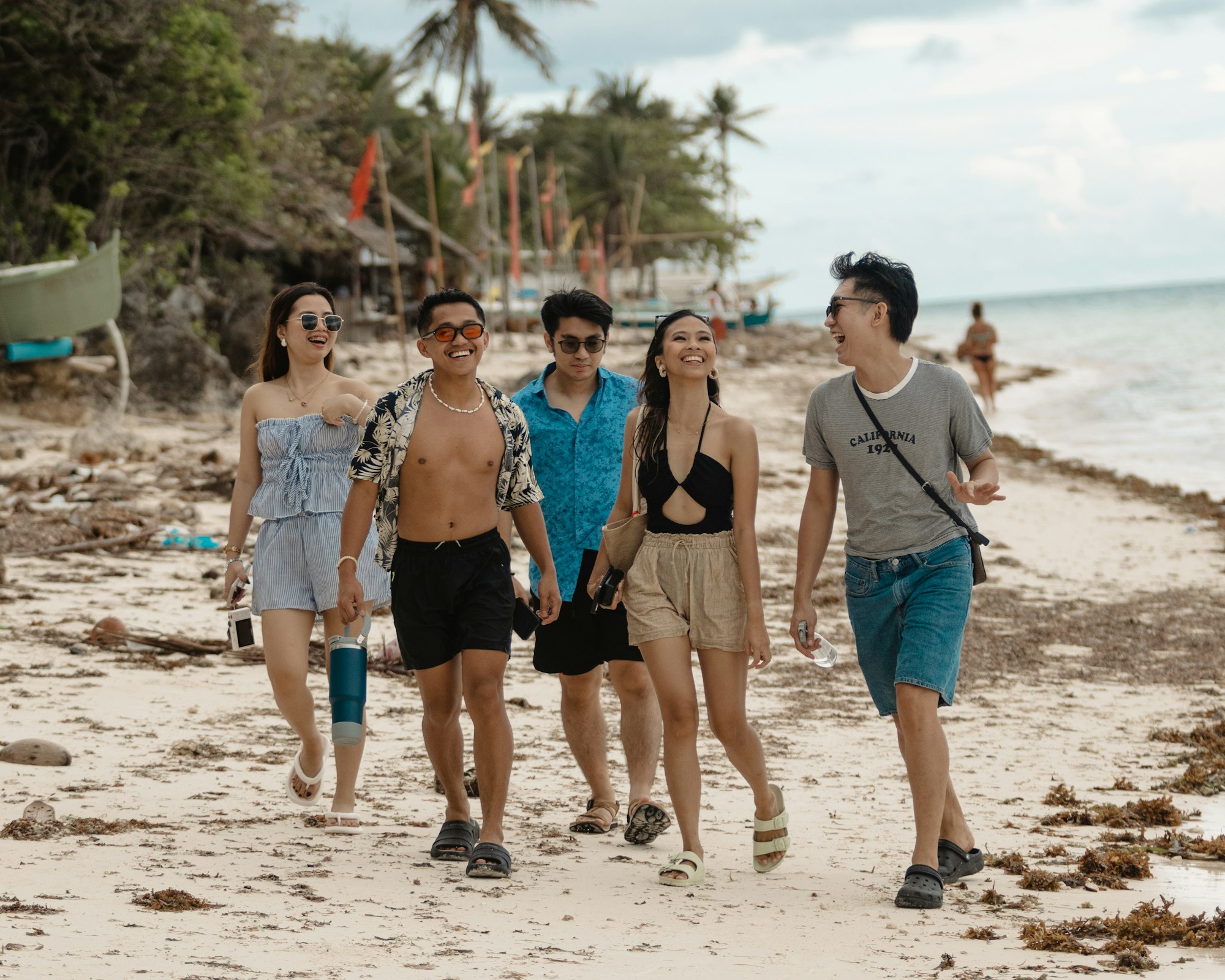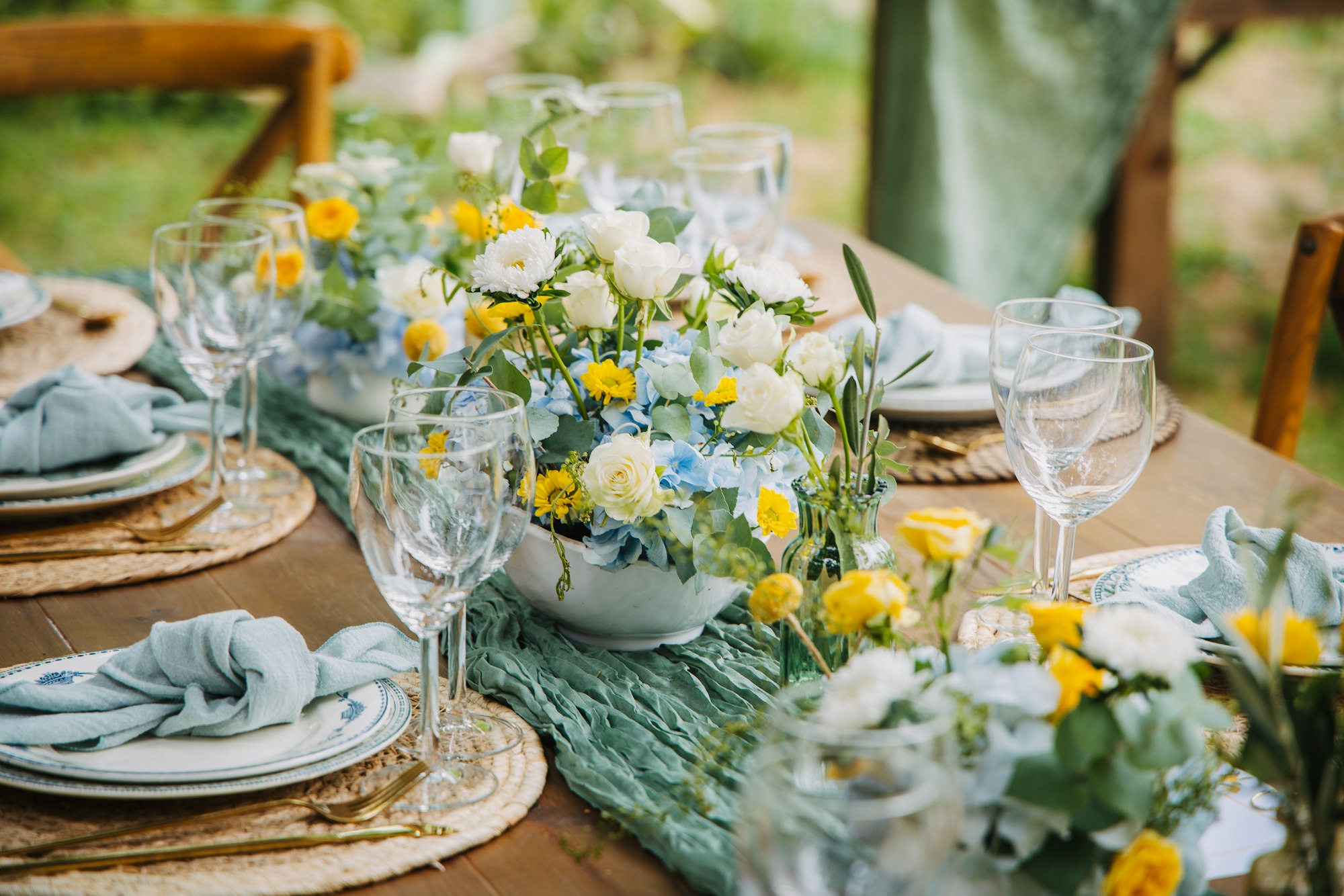
There is a particular kind of magic that unfolds when sixteen strangers find themselves seated shoulder-to-shoulder at a long wooden table running down the center of a sun-dappled orchard, passing hand-thrown ceramic bowls of heirloom tomatoes still warm from the morning harvest. The conversation starts tentative — polite introductions, who drove in from where — and then, somewhere around the second course, it cracks open. By dessert, guests are exchanging phone numbers and asking when the next dinner is. This is the quiet revolution of the farm-to-table supper club: a movement that has transformed from a niche hobby for restaurant pilgrims into one of the fastest-growing categories of experiential dining. The global farm-to-table restaurant market was valued at $112.4 billion in 2025 and is projected to reach $242.7 billion by 2034, expanding at a compound annual growth rate of 8.9%, and independent supper clubs are riding directly on that wave.
If you have been dreaming of hosting your own seasonal outdoor dinner — whether that means a six-person backyard tasting for friends or a ticketed field-to-plate experience that quietly builds into a small business — the next ninety days are your window. June and July deliver the peak of growing-season abundance in most of North America, the weather cooperates, and guests are in the mood to gather. This guide walks through every decision you need to make, from concept to table setting, with data and practical frameworks drawn from working supper club hosts.
Key Takeaways
- Demand is structural, not a fad. 76% of adults say they are more likely to visit a restaurant that offers locally sourced food, and 44% are most encouraged to visit by local sourcing specifically.
- Pop-ups are the new premium. Americans are more likely to dine at a restaurant in 2026 when it hosts a pop-up, collaboration, or special experience, making supper clubs a natural fit for today’s guest mindset.
- Plan 10–14 weeks out for peak season. Secure farmers, venue, and permits by April for a June–July launch; ingredient availability drives the menu, not the other way around.
- Ticket pricing sweet spot is $85–$175 per seat for most markets, covering a 6-course menu, paired beverages, and honest farmer compensation.
- Intimate beats grand. 16–32 guests is the scale where conversation still flows and service stays personal — expand only after three sold-out dinners.
- Storytelling is the product. Diners are paying for narrative and relationships as much as food; your farmer profiles, menu notes, and seating design all carry equal weight.
Table of Contents
- Why Farm-to-Table Supper Clubs Are Having a Moment
- Defining Your Supper Club Concept and Format
- Sourcing Seasonal Ingredients from Local Producers
- Choosing the Perfect Outdoor Venue
- Crafting a Menu That Tells a Story
- Designing the Table and Ambiance
- Budgeting and Ticketing Your Supper Club
- Marketing and Growing a Community of Regulars
Why Farm-to-Table Supper Clubs Are Having a Moment {#why-now}
The supper club itself is not new — the format traces back to Midwestern roadhouses of the 1930s and was quietly kept alive through decades by chef-hosts cooking out of their home kitchens. What changed in the last twenty-four months is the intersection of three independent forces: an explosion in consumer demand for locally sourced food, a post-pandemic hunger for intimate in-person gatherings, and a food-hub infrastructure finally robust enough to make small-batch sourcing accessible to non-restaurant hosts.
The numbers behind the shift
Restaurant and consumer research tells a consistent story. According to the National Restaurant Association, 76% of adults are more likely to visit a restaurant that offers locally sourced food, and 71% of restaurant-goers ages 20–29 actively seek out restaurants that prioritize health-conscious choices. A separate industry analysis found 44% of consumers said they are most encouraged to visit a restaurant if it prioritizes local sourcing of its food. The 2025 National Food Hub Survey, published in early 2026, reported that between 2021 and 2025, food hubs’ average gross sales to schools more than tripled and nearly 60% of hubs reported growth in direct-to-consumer markets — the exact distribution channel a supper club host taps into.
The OpenTable 2026 Dining Trends Report identified a specific pattern: diners are moving away from flashy indulgence toward dining that feels “personal and meaningful, with relationship-driven service becoming the new luxury.” Translated for supper club hosts: guests are actively willing to pay premium prices for small, intimate, story-driven meals — provided the story is real.
Why pop-ups outperform permanent venues
Here is the counterintuitive part. Supper clubs benefit from their impermanence. The same OpenTable data found Americans are more likely to dine at a restaurant in 2026 when it hosts a pop-up, collaboration, or special experience. Scarcity makes the experience feel like an event rather than a transaction, and it justifies a price point that a standing restaurant with the same menu could not command.
For hosts, this has practical consequences:
- A six-dinner summer series is easier to market than a weekly service.
- You can source from farms that cannot supply a restaurant’s year-round volume.
- Reservations close once tickets sell out — no empty-table risk.
- Production costs compress into a single day rather than ongoing overhead.
The community dividend
The often-overlooked outcome is what a recurring supper club does for your network. Hosts consistently report that after three to four dinners, guests start introducing each other for unrelated reasons — job leads, investment introductions, house-sitting swaps. The supper club becomes the low-pressure gathering that produces high-trust relationships. If you are a founder, consultant, writer, or anyone whose work benefits from a warm network, this compounds over time.
Defining Your Supper Club Concept and Format {#concept}
Before you order a single napkin, you need to make four decisions that will cascade through every other choice: scale, cadence, concept, and level of formality. Rushing this step is the single most common reason first-time hosts burn out after two dinners.
The scale question
Supper club capacity ranges from six guests at a single table to eighty across a long farm table. Smaller is almost always better for first-time hosts. Use this decision framework:
| Size | Best For | Pros | Cons |
|---|---|---|---|
| 6–10 guests | Tasting menus, first-time hosts | Fits one table, easy solo service, deep conversation | Hard to hit unit economics; price per seat must be high |
| 12–20 guests | Most supper clubs | Sweet spot for intimacy + viability | Requires a helper for plating and clearing |
| 24–40 guests | Established hosts, destination dinners | Covers farmer and venue costs comfortably | Needs kitchen crew, multiple service passes |
| 40+ guests | Farm dinners, branded events | Scales revenue, press-worthy scale | Becomes operationally a small restaurant |
A useful constraint: the number of guests should match the number of people one plated course can be served to in under eight minutes. If it takes longer than that, your food cools and your table loses momentum.
Cadence without burnout
Most hosts oscillate between two sustainable patterns:
- Seasonal Series (4 dinners/year): One dinner per season, roughly every 12 weeks. Low operational load, high creative reset between each, strong “don’t miss it” scarcity.
- Summer Run (6–8 dinners in June–August): Compresses production into the peak-growing window and peak-weather window, then rests for nine months.
Avoid the monthly-forever trap. Hosts who commit to a dinner every month through year one report burnout rates north of 70%. The food calendar is punishing, and you lose the anticipation that drives ticket demand.
Concept positioning
Your concept is the one-sentence answer to “what kind of supper club is this?” Three positions that consistently fill seats:
- Single-farm deep dive: Every dinner features one farm, every course uses only that farm’s ingredients, and the farmer is at the table.
- Regional cuisine study: Each dinner explores a specific cuisine through the local ingredients that can actually produce it in your region.
- Ingredient obsession: A dinner devoted to the full lifecycle of one ingredient — garlic, heirloom tomatoes, stone fruit — at peak season.
The concept is not just marketing. It constrains your menu planning, which is a gift when you are staring at a blank page.
Level of formality
Farm-to-table guests are not looking for white-tablecloth service. A 2026 Elle Decor analysis of entertaining trends noted the rise of the “afternoon visit” — a lower-lift, more financially practical, more intentionally casual gathering. Supper clubs that lean casual — mismatched chairs, hand-thrown ceramics, no dress code — often rate higher on guest surveys than formal ones, because the mood matches the content.
Sourcing Seasonal Ingredients from Local Producers {#sourcing}
Sourcing is the single hardest and most rewarding part of running a farm-to-table supper club. It is also where your credibility lives or dies. Guests paying $125 a seat can spot industrial produce at ten paces, and word travels.
The 12-week sourcing timeline
Work backwards from your dinner date. For a June 14 dinner, your timeline looks like this:
- Week -12 (late March): Identify 4–6 target farms within 40 miles. Check which CSAs they run and which farmers’ markets they attend.
- Week -10 (early April): Visit farmers in person at markets. Introduce your project, hand over a one-page concept PDF, ask about their June availability.
- Week -8 (mid-April): Confirm sourcing list with 3 farms. Place deposits if required.
- Week -6 (early May): Finalize menu draft #1 based on what will actually be ready.
- Week -4 (mid-May): Walk the farms again. Adjust menu based on what growth looks like.
- Week -2 (late May): Final menu locked. Confirm harvest-day logistics.
- Week -1 (early June): Pickup arrangements, cold-chain confirmed.
- Dinner day: Morning harvest for most vegetables; coastal seafood picked up at the boat the same morning where possible.
Finding your farmers
Food hubs are the unsung heroes here. The 2025 National Food Hub Survey reported 55% of hubs saw growth in the restaurant and bakery market, meaning a growing number of them actively want to service small-volume, high-touch buyers. Start with these channels in order:
- USDA Local Food Directory (localfooddirectories.usda.gov)
- Your regional food hub (search “[your state] food hub”)
- Saturday farmers’ markets, in person
- Chef-network introductions (ask any independent restaurant you respect)
- CSA program operators (they know which farms have capacity)
What to ask a farmer on your first visit
This is the conversation that determines whether the relationship actually works. Five questions that surface the signal:
- “What’s coming ready in the week of my dinner date?”
- “Would you want to attend and speak briefly about what we’re eating?”
- “Can you handle a flexible order — I may adjust quantities the week of?”
- “What’s the minimum order that makes a stop worth your time?”
- “Do you have other producers you trust I should also talk to?”
The last question is the most valuable. A farmer who introduces you to a neighbor growing stone fruit or raising pastured chickens has just shortened your sourcing timeline by four weeks.
Honest farmer compensation
Price-gouging farmers is a fast way to end your supper club before it starts. A working rule: pay 10–20% over what the farmer would earn at their Saturday farmers’ market, because you are asking for customization (specific varieties, harvest timing, delivery). That premium is the “special client” rate — farmers reserve their best produce for buyers who pay it.
Choosing the Perfect Outdoor Venue {#venue}
The venue is the second most important decision after the menu. It does at least three jobs simultaneously: it sets the mood, it constrains your logistics, and it largely determines your price ceiling.
Venue types and tradeoffs
| Venue Type | Price per Seat Ceiling | Production Difficulty | Guest Magic |
|---|---|---|---|
| Host’s backyard | $75–$110 | Low | Medium |
| Partner farm’s field | $125–$225 | High | Very high |
| Community garden | $65–$95 | Medium | Medium-high |
| Rooftop / urban terrace | $95–$150 | Medium | High |
| Vineyard or orchard | $175–$275 | High | Very high |
| Historic barn / estate | $150–$250 | Medium | Very high |
The field-at-a-farm option consistently rates highest on guest satisfaction surveys, but it is also where most first-time hosts fail. The infrastructure gap between a farm field and a place where you can plate food cleanly is larger than people expect.
The venue checklist
Before you commit to any outdoor venue, walk through this checklist:
- Potable water within 150 feet
- Level surface for dining table (max 2° slope)
- Shade or shade-ready infrastructure between 3pm–7pm
- Weather contingency: structure or backup indoor space
- Bathroom within 100 feet (or permitted portable option)
- Vehicle access for load-in
- Power source for lighting and staging (or generator plan)
- Permitting requirements checked with the local municipality
- Liability insurance rider confirmed for the date
- Arrival/departure lighting plan for after dusk
- Mosquito mitigation plan (candles, fans, repellent stations)
The permitting question
This trips up more hosts than any other issue. If you are hosting a ticketed dinner on non-residential property, you probably need:
- A temporary food establishment permit from your county health department
- A special event permit if serving on public or agricultural land
- A certificate of liability insurance ($1–2M is standard)
- A liquor license or a BYOB arrangement with clear signage if alcohol is involved
None of this is difficult in isolation. All of it is time-consuming. Build 30 days into your timeline specifically for permits if you are doing this for the first time.
Crafting a Menu That Tells a Story {#menu}
A supper club menu is two documents at once. There is the operational menu — what you are cooking, in what order, with what quantities. And there is the narrative menu — the version you print for guests that explains what they are eating and where it came from. Both matter.
Menu architecture for a 4-hour experience
A four-hour dinner is the standard. Here is a menu structure that paces correctly:
- 0:00 — Arrival & welcome drink (30 minutes). Low-intervention. A house cocktail or local sparkling wine with a single snack — radishes with cultured butter, or a savory pastry.
- 0:30 — Seating & introduction (15 minutes). The host speaks for 90 seconds about the dinner’s concept and the farmers at the table.
- 0:45 — First course: something raw or cold that requires no last-minute fire.
- 1:15 — Second course: a grain, broth, or pasta.
- 1:45 — Interlude (palate cleanser, a single bite, or a shift of setting — guests stand and re-seat).
- 2:00 — Main course: the protein centerpiece.
- 2:45 — Cheese or transitional course.
- 3:15 — Dessert.
- 3:45 — Digestif & lingering.
Six to seven courses is the sweet spot. Fewer feels thin at supper club price points; more pushes guests past attention capacity.
Seasonal menu patterns
A 2026 menu design report found summer menu presentation increasingly prioritizes “durable, eye-catching, and outdoor-ready” design, reflecting a broader trend back toward tactile printed menus after years of QR-code dominance. Structure your menu around what is actually at peak.
A useful exercise: for a mid-June dinner, list what is at peak in your region. In most of the continental US and southern Canada, early summer peak includes:
- First tomatoes, peak strawberries and first stone fruits
- Peas, fava beans, baby carrots, baby beets
- Garlic scapes, spring onions, first summer squash
- Herbs at their most aromatic (basil, tarragon, chervil)
- First goat cheese from spring milk
- Lamb at its youngest
- Line-caught summer fish
Then build the menu as a walk through those ingredients, course by course. If tomatoes aren’t in yet for your specific date, don’t force them — your guests will respect the honesty, and the menu will feel more authentic.
Writing the narrative menu
This is the printed card each guest receives. Keep it short. For each course, include:
- Course name (in plain English, not restaurant-ese)
- Two to four key ingredients with their farm of origin in italics
- One sentence on why this dish is on the menu this week
Example:
HEIRLOOM TOMATO, CUCUMBER, SEA SALT Brandywine tomatoes from Cedar Hollow Farm, Persian cucumbers from River Bend Gardens, Maldon finishing salt. These are the first Brandywines of the year; we kept them raw and sliced thick because they don’t need anything else.
That one sentence is where guests feel the dinner’s soul.
Designing the Table and Ambiance {#ambiance}
The table does more work than any other design element. Get it right and guests are taking photos before the first course arrives. Get it wrong and the food is carrying the whole experience by itself.
The long-table principle
A single long table beats multiple round tables at almost every scale below 30 guests. Long tables create cross-table conversation, compress the visual composition, and make service flow more efficient. Rent or build one if you have to. Farm tables at 30 inches wide and 8–12 feet long are the workhorse.
The six elements that matter
Summer entertaining coverage in early 2026 pointed to several design shifts worth incorporating:
- Intentional material mixing. The single-material dining set is giving way to mixed textures — cast aluminum bases with natural stone or wood tops, or linen runners over rough-sawn wood.
- Natural fibers as an anchor. Rattan, jute, sisal, and seagrass ground an outdoor setting and photograph beautifully in low light.
- Layered lighting, never overhead. String lights are fine but not alone. Add candles at table level, lanterns at 6–8 feet, and accent light at perimeter. Three layers minimum.
- Photo-ready composition. Homeowners are increasingly designing outdoor dining areas with photography in mind. This is not vanity — guests will photograph your dinner, and those photos are your marketing.
- A single focal floral arrangement. Loose, garden-picked arrangements beat tight florist arrangements. Ask a flower-grower friend.
- Printed menus. The printed menu is making a comeback after years of QR-code dominance. A beautifully designed card at each seat is one of the lowest-cost, highest-impact design choices available.
What to spend on
If you are operating with a limited production budget, here is how to prioritize design spend:
| Priority | Item | Why |
|---|---|---|
| 1 | Lighting (3 layers) | The single biggest mood shift after dark |
| 2 | Quality glassware | Guests handle it all night; cheap wine glasses undo expensive wine |
| 3 | Printed menu card | Photographed, kept as a souvenir, sets the tone |
| 4 | Table runner / linen | Transforms any table |
| 5 | One statement centerpiece | Focal point for photos |
| 6 | Fresh flowers | Signals “someone cared” |
| 7 | Ambient music | Quiet enough to converse over |
Places to underspend: plates (borrowing or using mismatched vintage sets often looks better than matching new), chairs (bench seating is on-trend and cheap), and decor (less is consistently more).
The seating chart question
Assigned seats are worth the effort. A good seating chart pairs people who don’t know each other but share one non-obvious overlap — two people who’ve both lived abroad, two people working in adjacent creative fields, two people with kids the same age. A great chart creates the friendships guests remember.
Budgeting and Ticketing Your Supper Club {#budget}
Many first-time hosts lose money on their first dinner. That is fine if it is a deliberate investment, not fine if it is a surprise. Build the budget before you send the first invitation.
The 16-seat dinner budget (illustrative)
Here is what a realistic budget looks like for a 16-seat outdoor farm-to-table dinner at a mid-tier rural venue in the United States:
| Line Item | Cost | % of Budget |
|---|---|---|
| Food (direct from farms) | $800 | 26% |
| Beverage (4 pairings) | $480 | 16% |
| Venue fee | $500 | 16% |
| Table, chairs, linens rental | $280 | 9% |
| Lighting & candles | $180 | 6% |
| Flowers & design | $150 | 5% |
| Printing (menus, place cards) | $60 | 2% |
| Insurance & permits | $220 | 7% |
| Helper wages (1 helper, 10 hours) | $250 | 8% |
| Cleaning & waste | $80 | 3% |
| Contingency (5%) | $130 | 4% |
| Total costs | $3,130 | 100% |
At 16 seats, a $225 ticket produces $3,600 gross, leaving $470 margin — modest but real. A $175 ticket breaks even while covering your time poorly. A $125 ticket on this budget loses money.
Pricing psychology
The difference between a $95 seat and a $175 seat is rarely “better food.” It is narrative, venue, and scarcity. A few calibration points:
- $65–$95: casual backyard / community garden, simple menu, BYOB
- $95–$135: most first-year supper clubs, decent venue, 5 courses
- $135–$185: destination supper club with paired beverages
- $185–$275+: vineyard/orchard venues, farmer-collaboration premium
- $275+: the “chef at the farm” tier, typically requires a named chef
Consumer price sensitivity is real. 82% of consumers are modifying their shopping behaviors, seeking sales and switching to cheaper brands. Price for the experience you are delivering, not for what you wish you were charging.
Ticketing mechanics
- Use a platform that handles both payment and list management. Eventbrite, Tock, and Partiful all work for supper clubs at different price points.
- Collect the full payment at booking, not a deposit. Supper clubs have near-zero flexibility to absorb cancellations.
- Publish a clear refund policy: most hosts offer a 14-day full refund window, then ticket transfers only.
- Collect dietary restrictions at booking time, with a word limit. “Severe shellfish allergy” is useful. “I just don’t really like mushrooms” is a negotiation.
Marketing and Growing a Community of Regulars {#marketing}
The supper club that builds a waitlist is different from the one that hustles for guests every month. The difference is almost entirely about community, not ads.
The first dinner: how to fill 16 seats
Do not open sales to the public for your first dinner. Instead:
- Invite 8 friends at cost. Tell them it’s the launch.
- Ask each of them to bring one person you haven’t met.
- Invite one local journalist, one local photographer, and one farmer you sourced from at cost — they earn their seats by sharing the evening.
- Fill the remaining 2 seats from a waiting list you build through Instagram announcements in the two weeks before.
That first dinner has two jobs: produce a great guest experience and produce documentation (photos, video, a short written piece) you can use to market dinner two.
Channel priorities in year one
- Instagram: the single highest-converting channel for supper clubs. Post twice a week, mostly the week-of and week-after each dinner.
- A simple email list: collect emails at every dinner; send one email the month before the next dinner opens.
- Partner cross-promotion: the farms you source from, the florist, the venue — each has an audience that overlaps with yours.
- Press, but only strategically: one well-placed local write-up in year one is more useful than ten Instagram DMs.
Skip, at least in year one: TikTok (high effort, low conversion for $150 dinners), paid Facebook ads, and print.
The waitlist flywheel
By dinner four, you should have a waitlist longer than your table. Once that happens:
- Announce dinners only to past guests for the first 48 hours.
- Keep 2 seats per dinner held for first-time guests you want to meet.
- Raise prices 10% between year one and year two.
- Add a second seating (not a larger table) before adding a second night.
Partnership opportunities
The highest-leverage partnership for a supper club in year two is usually a product-launch collaboration. A local winery launching a new vintage, a cheese-maker debuting a new wheel, a cookbook author with a book out in the season — any of these can co-host a dinner, bring their audience, and subsidize the production cost. It is the same play as pop-up collaborations in the broader restaurant world and, as the 2026 OpenTable data confirmed, the play guests are actively looking for.
Frequently Asked Questions
Do I need a professional cooking background to host a supper club?
No, but you do need to have cooked for twenty people at least three times before charging them. The skill that matters most is not knife work — it is pacing a multi-course meal so that everything hits the table warm. That is a logistics skill, not a cooking skill, and it is learnable.
How do I handle alcohol legally?
There are three safe options. Most jurisdictions allow a genuine BYOB arrangement if you clearly state it on the ticketing page and do not charge a corkage fee. You can hire a licensed bartender who works under their employer’s license. Or you can apply for a special event liquor permit, typically 30–90 days in advance and $100–$400. Do not sell alcohol without a license.
What do I do if it rains?
The answer must be built into your venue choice, not improvised day-of. Every outdoor dinner needs a Plan B location guests know about at booking — either a covered structure on the property, an interior space within 10 minutes, or a tented contingency with a confirmed vendor on call. Communicate the rain-call decision by 11 AM on the dinner day.
How do I handle dietary restrictions?
Collect them at booking with a clear form, and batch them into a short list (vegetarian, vegan, gluten-free, nut-free, shellfish) rather than trying to accommodate every preference. For most supper clubs, one swap-out course per diner per restriction is the standard. If a guest has more than three restrictions, a short email conversation before the dinner usually resolves it — or gently suggests a different dinner date.
Is it legal to host paid dinners in my backyard?
It depends on your local zoning and health codes, but in most US jurisdictions, occasional ticketed private dinners in a residential backyard are legal if: food is prepared in a permitted kitchen, guests are considered invited rather than ticketed public, and no signage advertises to passersby. For fully ticketed public dinners, residential venues are usually not permitted — move those to non-residential property.
How far in advance should I announce a dinner?
Six to eight weeks is the sweet spot. Two weeks leaves you scrambling to fill seats; twelve weeks and guests forget they bought tickets. Announce, then send one reminder at four weeks, one at two weeks, and a logistics email two days out.
What if I’m a single host cooking alone — how many guests is realistic?
Twelve is the ceiling for a solo host cooking a five-course meal, and that is already demanding. Above twelve, you need at least one other person in the kitchen or on the floor. Hosts who try to plate for twenty alone consistently report that courses three through five suffer.
How do I build a long-term relationship with farmers?
Pay on time, pay fairly, and invite them to the dinner. Farmers introduced to your table as the source of the food receive the same recognition as the cook, and most of them find it genuinely moving. Send photos of the dishes within 48 hours of the dinner. Ask what they’d want to showcase next season. The relationship compounds: year three, you’ll be sourcing varieties growers are growing specifically for your dinners.
Conclusion: The Dinner That Starts the Rest
The farm-to-table supper club sits at the unusual intersection of a growing market, a shifting consumer mood, and an infrastructure that is finally ready to support small, independent hosts. The numbers — a $242.7 billion projected market, 76% of adults more likely to choose local sourcing, nearly 60% of food hubs growing their direct-to-consumer business — describe an opportunity. But the real reason to host one is smaller and more immediate: you will be the reason sixteen people ate an heirloom tomato they still remember two years later, at a table they still remember, with people who still text each other.
If this is the summer you start, plant the first stakes now. Identify four farms in the next two weeks. Walk a potential venue before May. Draft a menu in mid-May and throw it out in early June when you see what is actually ready. Send eight invitations. Print the menu. Light three layers of candles. Open the wine. The rest will follow — and if you want infrastructure to plan and price the evening, EventCortex’s farm-table supper club template gives you the structure to run the first dinner without building it from scratch.