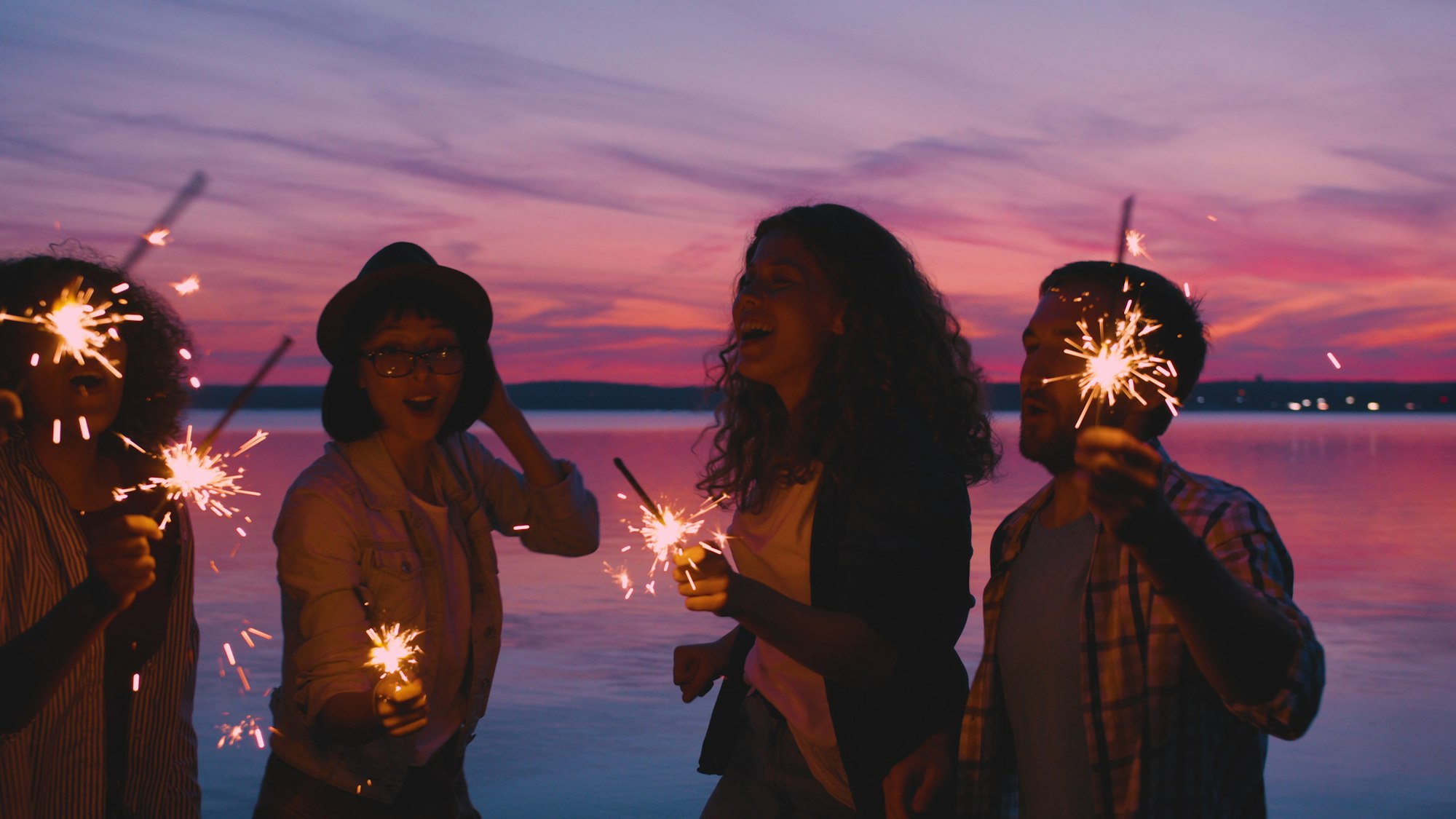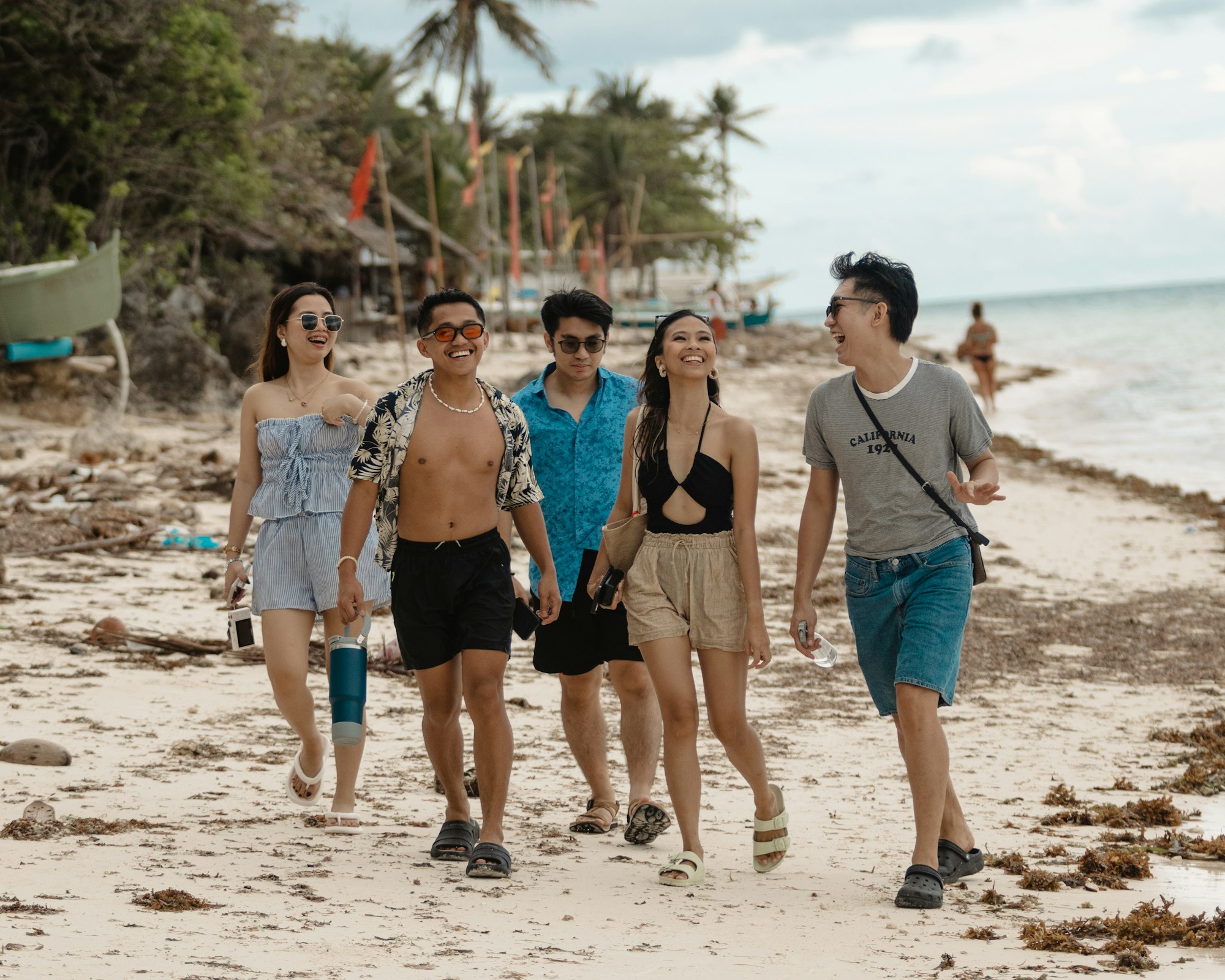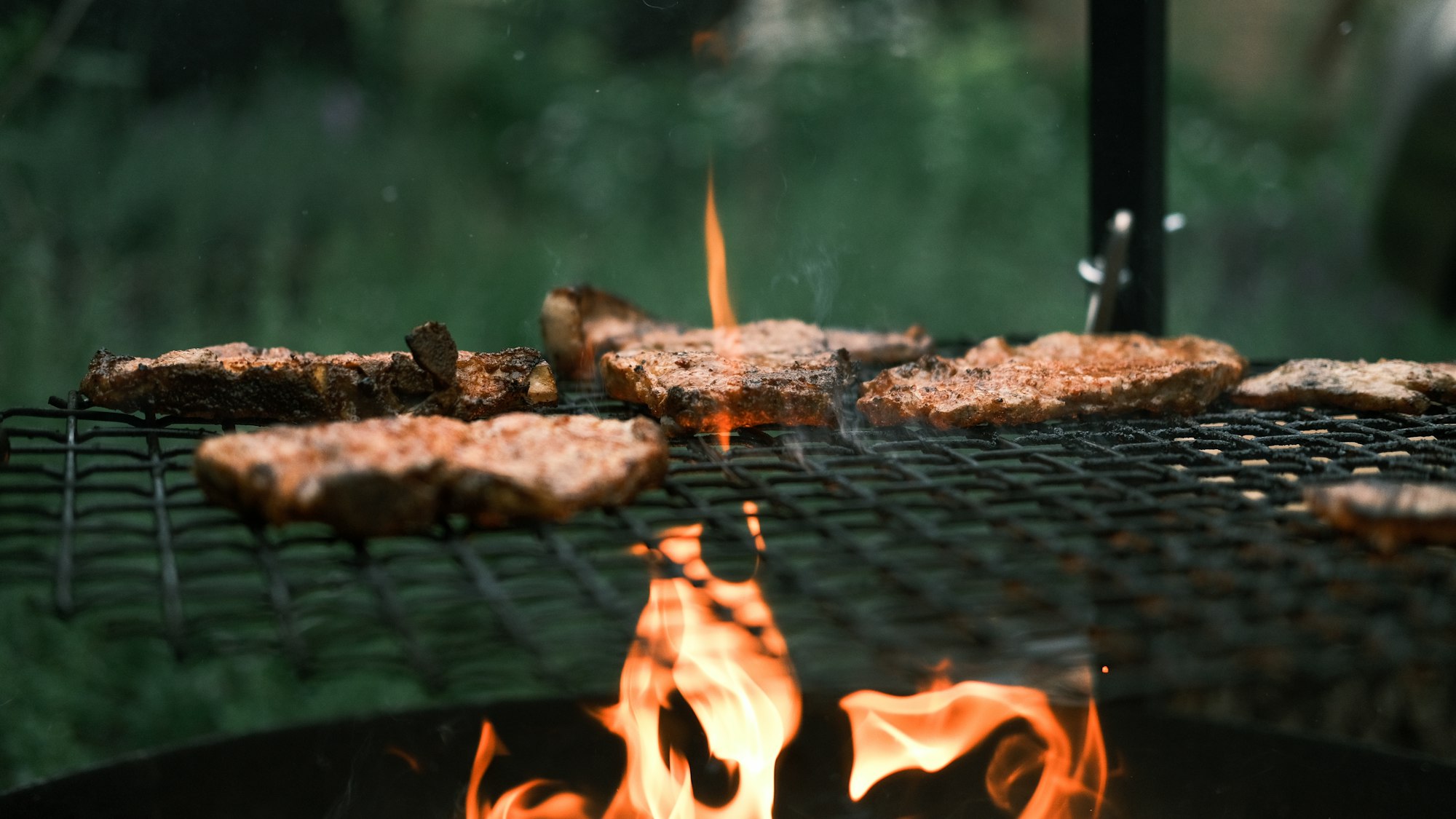
With 87% of Americans planning to fire up the grill this summer and the U.S. barbecue grill market surging past $3.35 billion, outdoor cooking has evolved from a casual weekend pastime into a full-blown cultural movement. Whether you’re hosting an intimate backyard gathering for six or a neighborhood block party for sixty, mastering the art of BBQ and cookout planning is the difference between a forgettable afternoon and the event your friends talk about all year. This guide covers everything you need to know – from equipment selection and menu planning to food safety, budgeting, and the latest grilling trends shaping summer 2026.
Key Takeaways
- Start planning your BBQ or cookout at least 3-4 weeks in advance to secure equipment, ingredients, and RSVPs
- Budget approximately $15-25 per guest for a well-stocked cookout, with strategies to reduce costs without sacrificing quality
- 80% of U.S. homeowners now own a grill or smoker – up from 64% in 2019 – making outdoor cooking more accessible than ever
- Food safety is critical: follow the 2-hour rule (1 hour if temperatures exceed 90°F) for perishable items left outdoors
- The biggest 2026 grilling trends include global flavor exploration, smaller weeknight cooks, pellet grills with smart technology, and sustainability-conscious grilling
- Create a detailed timeline working backward from your event date to avoid last-minute scrambling
Table of Contents
- Why BBQ and Cookout Culture Is Booming
- Planning Your BBQ: The Essential Timeline
- Choosing the Right Grill and Equipment
- Menu Planning: What to Serve at Your Cookout
- Budgeting for Your BBQ Event
- Food Safety and Outdoor Cooking Best Practices
- Setting Up Your Outdoor Space
- Entertainment and Activities
- BBQ Trends Shaping Summer 2026
- Hosting Large-Scale Cookouts and Block Parties
1. Why BBQ and Cookout Culture Is Booming {: #why-bbq-and-cookout-culture-is-booming}
Barbecue isn’t just about food – it’s about community, tradition, and shared experience. The numbers tell a compelling story: approximately 80% of U.S. homeowners now own a grill or smoker, a significant jump from 64% in 2019. And 68% of Americans say they don’t need a special occasion to fire up their barbecue – they’ll do it whenever the mood strikes.
The Social Power of Outdoor Cooking
There’s something primal about gathering around an open flame. Cookouts strip away the formality of indoor dining and create an atmosphere where conversation flows naturally. Guests mingle between the grill, the drinks cooler, and the lawn games. Kids run around. The host isn’t trapped in the kitchen – they’re part of the action, turning burgers and telling stories.
This social dynamic is a key reason the BBQ grill market is projected to reach $4.81 billion by 2030, growing at a compound annual rate of 6.27%. People aren’t just buying grills – they’re investing in a lifestyle.
Peak BBQ Season: When America Grills
While grilling happens year-round in many regions, certain dates dominate:
| Holiday | Ranking |
|---|---|
| July 4th (Independence Day) | #1 most popular BBQ day |
| Labor Day | #2 (tied) |
| Memorial Day | #2 (tied) |
| Father’s Day | #4 |
| Mother’s Day | #5 |
Understanding these peak dates matters for planning. If you’re hosting on July 4th, expect higher grocery prices and busier stores. Plan to shop early and consider pre-ordering specialty meats from a local butcher.
One in Five: Grilling as Identity
Perhaps the most telling statistic is that 1 in 5 Americans say grilling is part of their cultural identity. It’s not a hobby – it’s who they are. This deep connection to outdoor cooking means your guests likely have strong opinions about what constitutes great BBQ. Embrace that energy. Encourage guests to bring their signature side dish or secret sauce. The best cookouts are collaborative.
2. Planning Your BBQ: The Essential Timeline {: #planning-your-bbq-the-essential-timeline}
A successful cookout doesn’t happen by accident. Here’s a proven timeline to keep you organized and stress-free.
3-4 Weeks Before
- Set a date and time (check weather patterns for your region)
- Decide on the size and style of your cookout (casual backyard, themed party, block party)
- Create your guest list and send invitations (digital invites work great for casual events)
- Determine your budget (see our budgeting section below)
- Book any rental equipment if needed (extra grills, tables, chairs, tents)
2 Weeks Before
- Finalize your menu based on RSVP count
- Check and maintain your grill (clean grates, test gas connections, stock charcoal)
- Plan your outdoor space layout (grill station, food table, seating areas, activities)
- Order specialty items (premium meats, custom cakes, decorations)
- Confirm any dietary restrictions with guests (vegetarian, vegan, gluten-free, allergies)
1 Week Before
- Create a detailed shopping list organized by store section
- Prepare any marinades, rubs, or sauces that improve with time
- Test any new recipes you plan to serve
- Check outdoor lighting and seating arrangements
- Prepare a playlist or entertainment plan
2-3 Days Before
- Do your main grocery shopping (avoid the day-before rush)
- Prepare side dishes that hold well (coleslaw, potato salad, baked beans)
- Set up tables, chairs, and decorations that won’t be affected by weather
- Charge portable speakers and string lights
- Freeze extra ice (you always need more than you think)
Day Of
- Set up the food and drink stations
- Light the grill 30-45 minutes before cooking time
- Set out coolers with ice for beverages
- Prepare a “landing zone” near the grill with all tools, sauces, and platters
- Designate a food safety station with hand sanitizer and wipes
Pro Tip: The Reverse Timeline
Work backward from your desired serving time. If you want to eat at 5:00 PM and you’re smoking a pork shoulder (which needs roughly 1.5 hours per pound at 225°F), a 10-pound shoulder needs to go on by 2:00 AM – or the day before. For quick grilling items like burgers and hot dogs, fire up the grill 30-45 minutes before your target time.
3. Choosing the Right Grill and Equipment {: #choosing-the-right-grill-and-equipment}
Your grill is the centerpiece of any cookout. With gas grills being the choice for 62% of grill-owning households, they remain the most popular option – but they’re not the only game in town.
Grill Types Compared
| Grill Type | Best For | Avg. Cost | Flavor | Learning Curve |
|---|---|---|---|---|
| Gas grill | Convenience, weeknight grilling | $200-$1,500 | Good | Low |
| Charcoal grill | Classic smoky flavor, authenticity | $50-$500 | Excellent | Medium |
| Pellet grill | Set-and-forget smoking, versatility | $400-$2,000 | Very good | Low |
| Kamado (ceramic) | All-purpose, heat retention | $500-$3,000+ | Excellent | Medium-High |
| Griddle/plancha | Breakfast, smash burgers, vegetables | $150-$800 | Good | Low |
| Drum smoker | Charcoal flavor without complexity | $150-$600 | Excellent | Medium |
Gas Grills: The Crowd Favorite
Gas grills dominate for good reason. They offer push-button ignition, precise temperature control, and fast preheating. For a cookout host who needs to feed a crowd efficiently, a 4-6 burner gas grill with at least 500 square inches of cooking surface is ideal. Look for:
- BTU output: 80-100 BTUs per square inch of cooking surface
- Material: Stainless steel or cast iron grates for even heat distribution
- Side burner: Invaluable for heating sauces, corn on the cob, or side dishes
- Built-in thermometer: Essential for monitoring grill temperature
Pellet Grills: The 2026 Breakout Star
Pellet grills continue to be one of the biggest BBQ trends in 2026. They lower the learning curve dramatically – you set a target temperature and the grill’s auger system feeds hardwood pellets automatically. Many 2026 models include Wi-Fi and Bluetooth connectivity, letting you monitor temperatures from your phone while you entertain guests.
Essential Equipment Checklist
Beyond the grill itself, make sure you have:
- Long-handled tongs (at least 2 pairs – one for raw, one for cooked)
- Instant-read meat thermometer (non-negotiable for food safety)
- Grill brush or scraper
- Heat-resistant gloves
- Aluminum foil and drip pans
- Spray bottle for flare-ups
- Chimney starter (for charcoal grills)
- Cutting board and sharp knife (for resting station)
- Serving platters and tongs
4. Menu Planning: What to Serve at Your Cookout {: #menu-planning-what-to-serve-at-your-cookout}
Great BBQ is about more than just meat. A well-rounded cookout menu balances proteins, sides, and refreshments to satisfy every guest.
Protein Planning Guide
With 34% of Americans citing steak as their favorite grilled meat, you’ll want to include beef in your lineup. But variety is key. Here’s a planning formula:
Per guest, plan for:
- 1/3 to 1/2 pound of raw meat (bones included)
- At least 2 protein options
- 1 non-meat option (portobello mushroom burgers, grilled halloumi, veggie skewers)
The Classic Cookout Menu
Mains:
- Burgers (beef, turkey, and plant-based options)
- Hot dogs and bratwurst
- Chicken pieces (thighs grill better than breasts – more forgiving and flavorful)
- Grilled corn on the cob
Sides:
- Classic coleslaw
- Potato salad or pasta salad
- Baked beans
- Watermelon slices
- Chips and dips
Beverages:
- Beer and hard seltzer
- Lemonade and iced tea
- Water (always have plenty)
- A signature cocktail or mocktail
Dessert:
- S’mores (if you have a fire pit)
- Ice cream bars
- Fruit cobbler (can be made on the grill in a cast iron skillet)
Elevated BBQ Menu
For a more sophisticated cookout, consider:
Mains:
- Flank steak with chimichurri (affordable steaks like flank, sirloin, and flatiron are trending in 2026 as people seek value)
- Beer-can chicken
- Cedar-plank salmon
- Grilled shrimp skewers with garlic butter
Sides:
- Grilled Caesar salad (yes, grill the romaine)
- Elote (Mexican street corn)
- Caprese skewers with balsamic glaze
- Smoked mac and cheese
Dietary Accommodations
Modern cookouts must account for diverse dietary needs:
| Dietary Need | Protein Options | Side Adjustments |
|---|---|---|
| Vegetarian | Portobello burgers, halloumi, veggie skewers | Most sides work; check beans for pork |
| Vegan | Plant-based burgers, grilled tofu, vegetable kabobs | Skip butter-based sides; use olive oil |
| Gluten-free | All grilled meats (check marinades), bunless options | Provide GF buns; check salad dressings |
| Keto/Low-carb | Extra meat portions, bunless burgers | Coleslaw (vinegar-based), grilled vegetables |
| Dairy-free | Most grilled meats | Skip cheese-based sides; use dairy-free dressings |
5. Budgeting for Your BBQ Event {: #budgeting-for-your-bbq-event}
With 35% of Americans grilling less due to inflation and 31% making more cost-conscious food choices, smart budgeting has never been more important.
Budget Breakdown Per Guest
| Budget Level | Cost Per Guest | What You Get |
|---|---|---|
| Budget-friendly | $10-$15 | Hot dogs, burgers, basic sides, sodas |
| Mid-range | $15-$25 | Mixed proteins, premium sides, beer/cocktails |
| Premium | $25-$40 | Steaks, seafood, craft beverages, dessert spread |
Cost-Saving Strategies
Buy in Bulk
Warehouse stores like Costco and Sam’s Club offer significant savings on:
- Ground beef (patties or bulk)
- Hot dogs and buns
- Beverages (cases of water, beer, sodas)
- Condiments and paper goods
Go for Value Cuts
You don’t need filet mignon to impress. These budget-friendly cuts deliver outstanding results on the grill:
- Chicken thighs ($2-4/lb) – more flavorful than breasts
- Pork shoulder steaks ($3-5/lb) – great for quick grilling
- Flank steak ($8-12/lb) – slice thin against the grain
- Whole chicken ($1.50-3/lb) – spatchcock and grill flat
- Italian sausages ($4-6/lb) – crowd-pleasing and easy
Potluck Style
Reduce costs by 40-50% by making it a potluck. You provide the mains and grilling, guests bring sides, desserts, and drinks. This also adds variety and creates a collaborative atmosphere.
Sample Budget: 20-Person Cookout
| Category | Budget | Mid-Range | Premium |
|---|---|---|---|
| Proteins | $60 | $120 | $200 |
| Sides & salads | $40 | $60 | $80 |
| Buns & bread | $15 | $20 | $25 |
| Condiments & sauces | $15 | $25 | $35 |
| Beverages | $40 | $80 | $150 |
| Paper goods & supplies | $20 | $30 | $40 |
| Ice | $10 | $15 | $20 |
| Decorations | $0 | $20 | $50 |
| Total | $200 | $370 | $600 |
| Per guest | $10 | $18.50 | $30 |
6. Food Safety and Outdoor Cooking Best Practices {: #food-safety-and-outdoor-cooking-best-practices}
Nothing ruins a cookout faster than foodborne illness. Outdoor events are particularly risky because temperature control is harder and cross-contamination opportunities increase.
The Temperature Danger Zone
Bacteria multiply rapidly between 40°F and 140°F. This is the “danger zone” for food safety.
The 2-Hour Rule: Perishable food should not sit out for more than 2 hours at room temperature. If the outdoor temperature exceeds 90°F, that window shrinks to just 1 hour.
Safe Internal Temperatures
Always use an instant-read thermometer. Color and firmness are unreliable indicators.
| Food | Minimum Internal Temp |
|---|---|
| Ground beef, pork, lamb | 160°F (71°C) |
| Steaks, chops (whole cuts) | 145°F (63°C) + 3-min rest |
| Chicken and turkey (all cuts) | 165°F (74°C) |
| Pork loin, tenderloin | 145°F (63°C) + 3-min rest |
| Hot dogs (reheated) | 165°F (74°C) |
| Fish | 145°F (63°C) |
Cross-Contamination Prevention
- Separate cutting boards for raw meat and vegetables
- Never reuse marinades that touched raw meat (unless you boil them first)
- Dedicate separate tongs for handling raw and cooked items
- Wash hands for 20 seconds after handling raw protein
- Use separate platters – never place cooked meat back on the plate that held raw meat
Outdoor Buffet Best Practices
- Keep cold items on ice or in coolers (below 40°F)
- Use chafing dishes or warming trays for hot items
- Set out food in smaller batches and replenish from the kitchen
- Cover food to keep out insects (mesh food covers are inexpensive and effective)
- Watch out for mayonnaise-based dishes in direct sun – chef Rory Schepisi warns these are among the most risky items at outdoor events
Grill Safety
The National Fire Protection Association recommends:
- Place the grill at least 10 feet from your home, deck railings, and overhanging branches
- Keep children and pets at least 3 feet away from the grill area
- Never leave a lit grill unattended
- Keep a fire extinguisher or baking soda nearby (never use water on a grease fire)
- Clean grill grates after each use to prevent grease buildup and flare-ups
7. Setting Up Your Outdoor Space {: #setting-up-your-outdoor-space}
The layout of your cookout space affects everything from guest flow to food safety.
Zone Planning
Organize your outdoor space into distinct zones:
Zone 1: The Grill Station
- Position upwind from the seating area (so smoke drifts away from guests)
- Create a prep station nearby with a folding table for tools, plates, and ingredients
- Ensure good lighting if cooking into the evening
- Keep a trash can close for packaging and waste
Zone 2: The Food and Beverage Area
- Set up a buffet table in the shade or under a canopy
- Place drinks in a separate area to prevent congestion at the food table
- Use a self-serve beverage station with clearly labeled coolers
- Position this zone between the grill and the seating area for natural flow
Zone 3: Seating and Dining
- Mix seating options: tables with chairs for eating, plus casual seating (lawn chairs, blankets) for socializing
- Provide shade options – pop-up canopies, patio umbrellas, or natural tree shade
- Plan for 75% seated capacity (not everyone sits at the same time)
Zone 4: Activity and Entertainment
- Keep games and activities away from the grill and food area
- Popular options: cornhole, horseshoes, badminton, lawn darts
- Set up a dedicated kids’ area if children will attend
Essential Setup Items
- Shade: Pop-up canopies ($50-$150) or patio umbrellas
- Lighting: String lights, solar path lights, citronella torches (dual purpose: ambiance and bug control)
- Seating: Folding chairs, picnic blankets, hay bales for rustic charm
- Bug control: Citronella candles, fans (mosquitoes can’t fly in wind), and electronic bug zappers positioned away from food
Weather Contingency Planning
Always have a backup plan:
- A tent or pop-up canopy for light rain
- An indoor overflow area for severe weather
- Check the forecast 3 days before and again the morning of
- For extreme heat (95°F+), add misting fans and extra shade structures
8. Entertainment and Activities {: #entertainment-and-activities}
The best cookouts offer more than just food. Entertainment keeps guests engaged and creates lasting memories.
Classic Lawn Games
| Game | Players | Space Needed | Cost |
|---|---|---|---|
| Cornhole | 2-4 | 30 ft long | $50-$150 |
| Horseshoes | 2-4 | 40 ft long | $30-$60 |
| Bocce ball | 2-8 | 60 ft long | $25-$50 |
| KanJam | 2-4 | 50 ft long | $40 |
| Giant Jenga | 2-6 | 6 ft square | $40-$80 |
| Badminton | 2-4 | 44 ft x 20 ft | $20-$40 |
Music and Ambiance
- Create a playlist that runs 4-5 hours (longer than you think you’ll need)
- Mix genres: classic rock, country, pop, and reggae all work for cookouts
- Use a waterproof Bluetooth speaker with enough volume for outdoor spaces
- Position speakers so music is background-level at the dining area and louder near activity zones
Interactive Food Stations
One of the 2026 party trends is experiential elements. Set up stations where guests participate:
- Build-your-own burger bar: Set out toppings from classic to creative (fried eggs, avocado, pimento cheese, kimchi)
- S’mores station: Offer different chocolates, cookies, and add-ins beyond the classic graham-marshmallow-chocolate
- Grilled pizza station: Pre-made dough balls that guests top and grill themselves
- DIY cocktail/mocktail bar: Ingredients and recipe cards for 2-3 signature drinks
Kid-Friendly Activities
- Water balloon station or sprinklers
- Sidewalk chalk art contest
- Scavenger hunt around the yard
- Face painting or temporary tattoo station
- Bubble machines
9. BBQ Trends Shaping Summer 2026 {: #bbq-trends-shaping-summer-2026}
The barbecue world is evolving rapidly. Here are the trends that will define cookouts this summer.
Global Flavor Exploration
The biggest shift in backyard cooking is global flavor exploration. Home grillers are reaching across continents for inspiration:
- Korean BBQ: Gochujang-marinated short ribs, ssam wraps
- Argentine asado: Chimichurri on everything, provoleta (grilled provolone)
- Japanese yakitori: Skewered chicken with tare sauce
- Jamaican jerk: Scotch bonnet and allspice marinades
- Middle Eastern: Za’atar-rubbed lamb, grilled halloumi with pomegranate
This trend means your cookout condiment station should go beyond ketchup and mustard. Consider offering chimichurri, gochujang mayo, tzatziki, and harissa alongside the classics.
Smart Grills and Connected Cooking
The 2026 grilling season is defined by technology. Pellet grills with built-in Wi-Fi and Bluetooth are becoming mainstream, allowing cooks to:
- Monitor temperatures from a smartphone app
- Receive alerts when meat hits target temperature
- Access thousands of automated cook programs
- Share cook data and recipes with other grill owners
This technology is particularly valuable for cookout hosts who want to spend time with guests instead of babysitting the grill.
Smaller, More Frequent Cooks
One of the most encouraging BBQ trends in 2026 is the move toward smaller, more frequent cooks. Instead of only firing up the smoker for weekend brisket marathons, more people are grilling weeknight dinners: Brussels sprouts, fish, and quick proteins. This shift means:
- Grills are being used year-round, not just summer
- People are becoming more skilled through regular practice
- Healthier grilling (vegetables, lean proteins) is normalized
Sustainability-Conscious Grilling
With 64% of Americans taking sustainability seriously when they grill, eco-conscious cookout planning is no longer niche:
- Lump charcoal over briquettes: No chemical binders, burns cleaner
- Sustainably sourced proteins: Local farms, grass-fed beef, responsibly caught seafood
- Reduced waste: Reusable plates and utensils instead of disposables
- Composting stations: Set up a compost bin alongside your trash and recycling
- Efficient cooking: Using residual heat for desserts or side dishes
Griddles and Planchas
According to Weber experts, griddle cooking “is one of the fastest growing trends” in 2026. Flat-top griddles offer incredible versatility:
- Smash burgers with crispy edges
- Breakfast cookouts (pancakes, bacon, eggs)
- Stir-fried vegetables
- Quesadillas and pressed sandwiches
- Delicate foods that would fall through grill grates
Zero-Proof and Wellness Beverages
The drink menu at modern cookouts is evolving. Zero-proof cocktails and wellness-inspired beverages are trending:
- Craft mocktails with fresh herbs and artisan syrups
- Kombucha and shrub-based drinks
- Infused water stations (cucumber-mint, strawberry-basil)
- Low-ABV options like radlers and shandies
10. Hosting Large-Scale Cookouts and Block Parties {: #hosting-large-scale-cookouts-and-block-parties}
Scaling up from a backyard BBQ for 10 to a block party for 50+ requires additional planning and coordination.
Permits and Logistics
- Check local regulations about street closures, noise ordinances, and open flame permits
- Coordinate with neighbors well in advance (a personal invite goes a long way)
- Arrange for portable restrooms if your indoor facilities can’t handle the crowd
- Ensure adequate parking or suggest carpooling
Equipment Scaling
For large events, a single grill won’t cut it. Consider:
| Guest Count | Grill Needs | Cooler Needs |
|---|---|---|
| 10-20 | 1 standard grill | 2 coolers (1 food, 1 drinks) |
| 20-40 | 2 grills or 1 large + 1 standard | 3-4 coolers |
| 40-60 | 3 grills or catering setup | 5-6 coolers + beverage tubs |
| 60+ | Consider hiring a caterer or BBQ team | Dedicated beverage stations |
Delegation Is Key
You can’t do it all. Assign roles:
- Grill master(s): Experienced grillers who handle the cooking
- Beverage manager: Keeps drinks stocked and ice replenished
- Food safety captain: Monitors buffet timing, replaces dishes, manages temperature
- Activities coordinator: Runs games and entertainment
- Setup/cleanup crew: Early arrivals and late stayers who help with logistics
Beverage Planning for Large Groups
A solid rule of thumb: plan for roughly 2-3 drinks per person for the first hour, then 1 drink per person per hour after that. For a 4-hour event with 20 people, that’s approximately 100 drinks. For 50 people, plan for around 250 drinks across all types.
Communication and Coordination
- Create a shared document or group chat for planning
- Send a day-before reminder with timing, what to bring, and parking info
- Post clear signage at the event: food stations, restrooms, recycling, kids’ area
- Have a first aid kit and emergency contact information readily available
Frequently Asked Questions
How far in advance should I plan a BBQ or cookout?
For a casual gathering of 10-15 people, 2-3 weeks is sufficient. For larger events (30+ guests) or cookouts involving rented equipment, specialty meats, or coordinated activities, start 4-6 weeks ahead. The key is giving yourself enough time for invitations, RSVPs, and shopping without the stress of last-minute scrambling.
How much meat should I buy per person?
Plan for 1/3 to 1/2 pound of raw meat per person for a standard cookout. If you’re serving bone-in cuts (ribs, chicken quarters), increase to 3/4 pound per person to account for bone weight. For events where meat is the star (like a brisket or pulled pork cookout), plan for 1/2 to 2/3 pound per person.
What’s the best grill for beginners?
A mid-range gas grill ($300-$600) with 3-4 burners is the best starting point. Gas grills offer the most forgiving learning curve with precise temperature control and quick preheating. If you’re interested in authentic smoky flavor, a pellet grill is an excellent alternative that automates much of the temperature management.
How do I keep food warm during a cookout?
Use chafing dishes with sterno fuel for hot items, or keep cooked meats wrapped in foil inside an insulated cooler (yes, coolers keep hot things hot too). For items on the buffet, use warming trays connected to an outdoor-rated extension cord. Replenish from the kitchen in small batches rather than setting everything out at once.
What are the best side dishes to make ahead?
The best make-ahead sides improve with time: coleslaw (dress it the night before so flavors meld), baked beans (reheat day-of), pasta salad, potato salad (keep refrigerated until serving), marinated vegetable salads, and cornbread. Avoid making ahead: anything with fresh avocado, delicate greens, or items that get soggy (like dressed green salads).
How do I handle rain on cookout day?
Have a contingency plan ready. A 10x20 pop-up canopy ($100-$200) can protect both the grill area and a food station. Move seating under covered porches or patios if available. If heavy storms are expected, consider postponing or moving the party indoors. The grill itself can operate in light rain – just be extra careful with footing on wet surfaces.
How can I make my BBQ more eco-friendly?
Start with reusable plates, cups, and utensils instead of disposables. Choose lump charcoal over briquettes (fewer chemicals). Source proteins locally when possible. Set up clearly labeled recycling and composting stations. Use LED string lights instead of fuel-based lighting. Consider serving more vegetables and plant-based options – they have a significantly lower carbon footprint than beef.
What’s the number one mistake first-time BBQ hosts make?
Underestimating timing. Most new hosts start grilling too late, don’t account for preheating time, and end up with hungry guests waiting 45 minutes past the planned meal time. Build in buffer time: light the grill 30-45 minutes before you plan to start cooking, and have appetizers or snacks out early so guests aren’t starving while the main course finishes.
Conclusion
Planning a BBQ or cookout is one of the most rewarding ways to bring people together. From the sizzle of steaks hitting a hot grill to the laughter of friends playing cornhole in the fading summer light, these gatherings create the kinds of memories that define a season.
The secret to a great cookout isn’t a secret at all – it’s preparation. Start early, plan your menu thoughtfully, prioritize food safety, and give yourself permission to enjoy the party you’ve created. Whether you’re embracing 2026’s global flavor trends, investing in a smart pellet grill, or keeping it classic with burgers and hot dogs, the best BBQ is the one where the host is relaxed and the guests feel welcome.
Use the timeline and checklists in this guide as your roadmap. Customize them to your style, your budget, and your crowd. And remember: 68% of Americans don’t need a special occasion to grill. Neither do you. Fire it up.