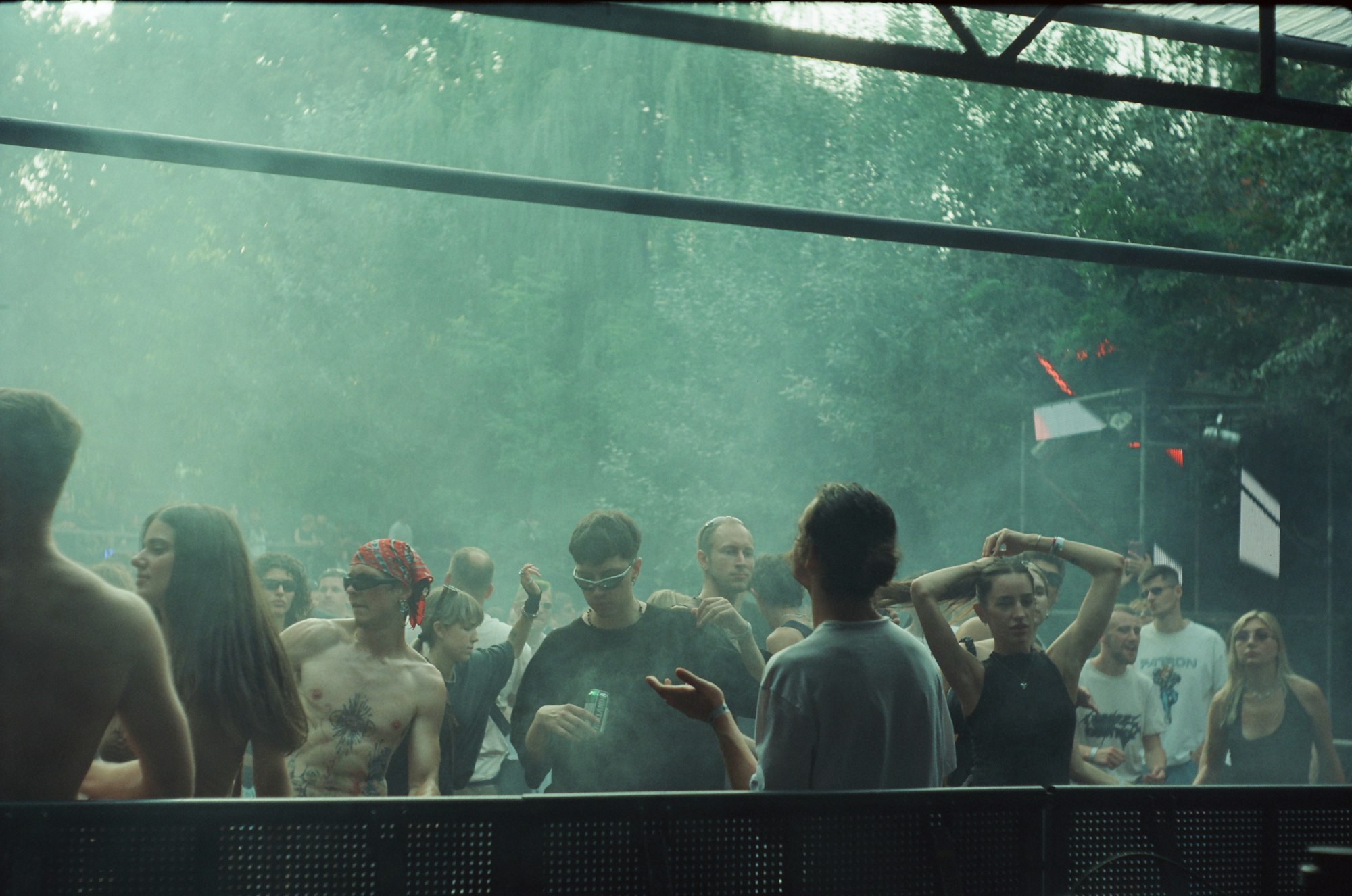
Every year, approximately 45.2 million people attend outdoor festivals across North America alone — and that number is climbing fast. The global music festival market is projected to hit $3.55 billion in 2026, growing at a staggering 17.7% CAGR. Whether you’re organizing a community arts fair, a multi-day music festival, a food and drink celebration, or a neighborhood block party, outdoor festivals represent one of the most exciting and rewarding events you can plan. They’re also among the most complex.
From securing permits and managing weather contingencies to coordinating vendors and designing crowd flow, outdoor festival planning demands a unique blend of creativity, logistics, and risk management. This comprehensive guide walks you through every stage of the process — from initial concept to post-event analysis — so you can host an unforgettable outdoor festival that runs smoothly, stays on budget, and leaves attendees counting the days until next year.
Key Takeaways
- Start planning your outdoor festival 9-12 months in advance to secure the best venues, vendors, and permits at competitive rates
- Allocate 15-20% of your total budget as a contingency fund specifically for weather-related risks and unexpected costs
- Sustainability initiatives are no longer optional — 38% of festivals now incorporate waste reduction programs, and attendees increasingly expect eco-friendly practices
- Technology integration (mobile apps, digital ticketing, cashless payments) can reduce operational friction by up to 40% and dramatically improve the attendee experience
- A detailed site map and crowd flow plan are the backbone of festival safety — never skip this step regardless of your event’s size
- Post-event data collection and analysis is critical for improving future editions and demonstrating ROI to sponsors
Table of Contents
- Defining Your Festival Vision and Concept
- Choosing the Perfect Outdoor Venue
- Budgeting and Financial Planning
- Permits, Licenses, and Legal Requirements
- Programming and Entertainment
- Vendor Management and Food Services
- Site Design, Layout, and Infrastructure
- Safety, Security, and Weather Contingencies
- Marketing, Promotion, and Ticket Sales
- Technology and Operations on Festival Day
1. Defining Your Festival Vision and Concept {#defining-your-festival-vision-and-concept}
Every great outdoor festival starts with a clear vision. Before you book a single vendor or scout a single venue, you need to answer fundamental questions about what your festival will be, who it’s for, and why it exists.
Identify Your Festival Type
Outdoor festivals come in many forms, and your type will dictate nearly every planning decision that follows:
| Festival Type | Typical Size | Duration | Key Considerations |
|---|---|---|---|
| Music Festival | 5,000-100,000+ | 1-3 days | Sound permits, stage infrastructure, artist riders |
| Food & Drink Festival | 1,000-30,000 | 1-2 days | Health permits, refrigeration, alcohol licensing |
| Arts & Culture Festival | 2,000-50,000 | 1-3 days | Exhibition space, artist accommodations, lighting |
| Community Block Party | 200-5,000 | 1 day | Street closures, neighborhood coordination, noise limits |
| Seasonal/Holiday Festival | 1,000-20,000 | 1-2 days | Themed decor, seasonal vendors, family programming |
| Sports & Wellness Festival | 500-15,000 | 1-2 days | Course setup, medical stations, participant registration |
Define Your Target Audience
Understanding your audience shapes everything from programming to pricing. With millennials and Gen Z accounting for over 75% of festival attendees, the demographic skew is clear — but that doesn’t mean you should ignore other segments. Families are increasingly attending festivals, and a 2025 industry survey found that Gen Z attendees are 2.5 times more likely than millennials to pay for premium VIP experiences.
Consider these audience parameters:
- Age range: Are you targeting 18-25 college students, 30-45 families, or a broad multi-generational audience?
- Income level: This determines ticket pricing, vendor pricing expectations, and sponsorship tier opportunities
- Travel willingness: Local community events vs. destination festivals require very different infrastructure (camping, parking, transportation)
- Interest alignment: Music genre, food preferences, wellness focus, cultural interests
Set Clear Goals and Success Metrics
Define what success looks like before you start spending money:
- Attendance target (first-year events should set conservative goals)
- Revenue targets (ticket sales, vendor fees, sponsorship, merchandise)
- Brand awareness metrics (social media reach, press coverage)
- Community impact goals (local economic benefit, charitable contributions)
- Attendee satisfaction benchmarks (post-event survey scores)
- Sustainability targets (waste diversion rate, carbon offset goals)
2. Choosing the Perfect Outdoor Venue {#choosing-the-perfect-outdoor-venue}
Your venue is the canvas for your entire festival. The right location can elevate every aspect of the experience; the wrong one can create logistical nightmares that no amount of great programming can overcome.
Essential Venue Evaluation Criteria
When scouting outdoor venues, evaluate each option against these critical factors:
Capacity and Space
The general rule of thumb is to plan for 40-60 square feet per person for standing/walking festivals, and 15-20 square feet per person for seated events. Don’t forget to account for:
- Stage areas and performance zones
- Vendor rows and food courts
- Restroom facilities
- First aid and medical stations
- Back-of-house and artist areas
- Parking and transportation zones
- Emergency vehicle access lanes
Access and Infrastructure
- Power availability: Does the site have existing electrical infrastructure, or will you need generators? Generator rental for a mid-size festival typically runs $5,000-$25,000
- Water access: Essential for food vendors, restrooms, cooling stations, and fire safety
- Road access: Can heavy trucks deliver stages, equipment, and supplies? Are roads paved or will you need temporary roadways?
- ADA compliance: Accessible pathways, viewing areas, restroom facilities, and parking are both legally required and ethically essential
Noise and Neighbor Considerations
- Check local noise ordinances — many municipalities restrict outdoor amplified sound after 10 PM or 11 PM
- Measure the distance to the nearest residential properties
- Consider natural sound barriers (hills, tree lines, bodies of water)
- Plan speaker orientation to direct sound away from sensitive areas
Urban vs. Rural Venues
| Factor | Urban Venues | Rural Venues |
|---|---|---|
| Accessibility | Easy public transit, walkable | Requires parking, shuttle services |
| Infrastructure | Existing power, water, roads | May need generators, portable water |
| Permits | More complex, higher fees | Often simpler, lower cost |
| Noise restrictions | Stricter, earlier curfews | More flexible |
| Vendor proximity | Easy supply runs and deliveries | Longer lead times needed |
| Atmosphere | Energetic, urban backdrop | Natural beauty, immersive |
| Cost | Higher venue rental fees | Lower rental, higher infrastructure costs |
Booking Timeline
Book your venue 9-12 months in advance for the best rates and availability. Popular outdoor venues for summer festivals often book up a full year ahead. Last-minute bookings typically cost 20-30% more due to limited options and lost negotiating power.
3. Budgeting and Financial Planning {#budgeting-and-financial-planning}
Financial planning can make or break your festival. With outdoor events carrying inherent weather and logistical risks, a robust budget with appropriate contingencies is non-negotiable.
Budget Breakdown for Outdoor Festivals
Here’s a realistic budget allocation framework for a mid-size outdoor festival:
| Category | % of Budget | Notes |
|---|---|---|
| Venue & Site Fees | 15-25% | Rental, deposits, insurance requirements |
| Entertainment/Programming | 20-30% | Artists, performers, speakers, equipment |
| Infrastructure | 15-20% | Stages, tents, power, lighting, sound |
| Food & Beverage | 5-10% | Vendor coordination (often revenue-generating) |
| Safety & Security | 8-12% | Security staff, medical, fire safety, barriers |
| Marketing & Promotion | 10-15% | Digital, print, PR, influencer partnerships |
| Permits & Legal | 3-5% | Permits, licenses, insurance, legal fees |
| Staffing & Operations | 8-12% | Event staff, volunteers, management |
| Contingency | 15-20% | Weather backup, unexpected costs, overruns |
Revenue Streams
Diversify your income sources to reduce risk:
-
Ticket sales: Your primary revenue driver. Consider tiered pricing:
- Early bird (30-40% discount, drives early cash flow)
- General admission
- VIP/Premium (higher margins, growing demand among Gen Z)
- Group packages
- Day passes vs. multi-day passes
-
Sponsorships: Corporate sponsors can cover 20-40% of festival costs. Create tiered packages:
- Title sponsor
- Stage/area naming rights
- Exclusive vendor categories
- Brand activation spaces
-
Vendor fees: Charge food and merchandise vendors for booth space. Typical fees range from $500-$5,000 depending on festival size and foot traffic
-
Merchandise: Festival-branded merchandise can generate $2-10 per attendee in additional revenue
-
Parking fees: If applicable, $10-25 per vehicle adds up quickly
Financial Planning Checklist
- Create detailed line-item budget with best-case, expected, and worst-case scenarios
- Establish cash flow timeline (when money comes in vs. when deposits are due)
- Secure festival insurance (general liability, weather, cancellation)
- Set up separate festival bank account for transparent financial tracking
- Negotiate payment schedules with vendors (deposits, milestones, final payment)
- Plan for sales tax collection and remittance on ticket sales and merchandise
4. Permits, Licenses, and Legal Requirements {#permits-licenses-and-legal-requirements}
Navigating the permit landscape is one of the most critical — and often underestimated — aspects of outdoor festival planning. Missing a single permit can result in fines, forced shutdowns, or legal liability.
Common Permits and Licenses Required
| Permit Type | Typical Lead Time | Issuing Authority |
|---|---|---|
| Special Event Permit | 60-120 days | City/County government |
| Noise/Sound Permit | 30-90 days | City/County government |
| Temporary Food Service | 30-60 days | Health Department |
| Alcohol License (Temporary) | 60-120 days | State Liquor Authority |
| Fire Department Permit | 30-60 days | Fire Marshal |
| Road Closure Permit | 30-90 days | Transportation Department |
| Temporary Structure Permit | 30-60 days | Building Department |
| Business License | Varies | City/County government |
| Environmental Impact | 60-180 days | Environmental Agency |
| Music/Performance License | 30 days | ASCAP, BMI, SESAC |
Insurance Requirements
At minimum, your outdoor festival needs:
- General liability insurance: $1-2 million per occurrence (many venues require this as a condition of rental)
- Weather/cancellation insurance: Protects against losses from weather-related cancellations or interruptions
- Workers’ compensation: Required if you have paid staff
- Liquor liability: Required if serving or selling alcohol
- Equipment insurance: Covers rented stages, sound systems, and infrastructure
Legal Considerations
- Draft vendor agreements that clearly define responsibilities, insurance requirements, and liability
- Create attendee waivers/terms of service included with ticket purchase
- Ensure ADA compliance across all public areas
- Review and comply with local health department requirements for food service
- Secure music licensing through performance rights organizations (PROs)
5. Programming and Entertainment {#programming-and-entertainment}
Your programming is the reason people buy tickets. It’s the heart of your festival and the element that generates buzz, drives social media sharing, and creates lasting memories.
Building a Compelling Lineup
Whether your festival centers on music, food, art, or a combination, your programming needs a strategic mix:
The Headliner Strategy
- Anchor acts: 1-3 headliners that drive ticket sales and media coverage
- Mid-tier acts: 5-10 performers that add depth and appeal to specific demographics
- Emerging talent: 10-20 up-and-coming performers that add discovery value and keep costs manageable
- Local talent: Community performers that build local support and reduce travel costs
Beyond the Main Stage
The best festivals offer experiences beyond the primary programming:
- Workshops and classes: Cooking demonstrations, art workshops, dance lessons, wellness sessions
- Interactive installations: Art installations, photo opportunities, immersive experiences
- Kids’ areas: Family-friendly programming zones with age-appropriate activities
- Wellness zones: Yoga sessions, meditation spaces, massage stations
- Vendor markets: Artisan crafts, local products, festival merchandise
- Food experiences: Tasting menus, cooking competitions, farm-to-table demonstrations
Scheduling Best Practices
- Stagger set times across multiple stages to reduce crowd congestion
- Place headliners in evening time slots when energy naturally peaks
- Schedule family-friendly programming during daytime hours
- Build in 15-30 minute changeover buffers between acts on the same stage
- Create a “golden hour” experience — the most magical programming as the sun sets
- Avoid scheduling competing headliners at the same time (unless your festival is large enough to sustain split audiences)
Artist and Performer Management
- Negotiate contracts with clear cancellation and force majeure clauses
- Review artist riders carefully (technical requirements, hospitality, travel)
- Arrange travel and accommodation for out-of-town performers
- Create detailed stage schedules with load-in, soundcheck, and performance times
- Designate artist liaison staff for each performer or group
- Set up a green room or artist lounge with required hospitality
6. Vendor Management and Food Services {#vendor-management-and-food-services}
Food and beverage is consistently rated as one of the top three factors in festival attendee satisfaction. With 25-35% of typical event budgets going to catering and food services, getting this right is both a financial and experiential priority.
Curating Your Vendor Mix
A thoughtful vendor selection creates an experience, not just a food court:
| Vendor Category | Recommended Mix | Notes |
|---|---|---|
| Food trucks/stands | 1 per 75-150 attendees | Variety of cuisines and price points |
| Beverage vendors | 1 per 100-200 attendees | Including non-alcoholic options |
| Bar/alcohol service | 1 per 200-400 attendees | Requires special licensing |
| Dessert/snacks | 1 per 200-300 attendees | Ice cream, churros, festival treats |
| Merchandise vendors | 5-15 total | Artisan goods, festival merch |
Food Safety and Health Requirements
Outdoor food service carries unique risks, especially in summer heat:
- All food vendors must hold valid food handler certifications
- Temporary food service permits are required in most jurisdictions
- Ensure adequate refrigeration and cold storage (consider ambient temperature when planning)
- Require hand-washing stations at every food vendor location
- Schedule health department inspections if required by local regulations
- Establish clear food allergy communication protocols
Vendor Logistics
- Provide vendors with detailed site maps showing their assigned locations, power access, and water hookups
- Coordinate delivery and setup schedules to avoid congestion
- Establish clear waste management responsibilities (each vendor responsible for their area)
- Set operational hours that align with festival programming
- Create a vendor communication channel (group chat, radio frequency) for day-of coordination
- Plan for vendor load-in and load-out timing that doesn’t conflict with attendee access
Pricing Strategy
Keep food and beverage pricing accessible — nothing sours a festival experience faster than feeling gouged. Consider:
- Setting price caps or suggested price ranges for vendors
- Offering a “festival meal deal” that provides value
- Ensuring water is freely available or sold at cost (not premium pricing)
- Using cashless payment systems to speed up transactions (46% of festivals now use digital ticketing systems, and cashless payment adoption is following the same trend)
7. Site Design, Layout, and Infrastructure {#site-design-layout-and-infrastructure}
Your festival’s physical layout directly impacts safety, attendee experience, and operational efficiency. A well-designed site map is arguably the most important planning document you’ll create.
Creating Your Festival Site Map
Start with a scaled map of your venue and layer in these essential elements:
Primary Zones
- Main stage area: Your largest performance space with maximum crowd capacity
- Secondary stages: Smaller performance areas for diverse programming
- Food village/vendor row: Centrally located for maximum accessibility
- Bar/beverage areas: Age-verified zones with clear entry/exit points
- Rest and shade areas: Seating, shade structures, charging stations
- Kids/family zone: Safe, contained area with family amenities
- VIP area: Premium viewing, dedicated amenities, exclusive access
- Vendor marketplace: Shopping and browsing area away from high-traffic flows
Essential Infrastructure
- Restrooms: Plan for 1 portable toilet per 50-75 attendees (increase ratio for multi-day events). Include ADA-accessible units
- Water stations: Free water refill stations every 200-300 feet in high-traffic areas
- Medical/first aid: Centrally located with clear signage and easy ambulance access
- Information booth: Near the main entrance for questions, lost and found, accessibility needs
- Charging stations: Mobile device charging is now an expected amenity — around 41% of participants depend on apps to plan their festival experience
Crowd Flow Design
Poor crowd flow creates bottlenecks, safety hazards, and frustrated attendees. Design your layout to:
- Create wide main thoroughfares (minimum 20 feet for events over 5,000 attendees)
- Avoid dead-ends and single-entry/exit areas
- Place high-attraction elements (food, headliner stages) with multiple approach paths
- Use natural barriers and fencing to guide flow without creating crush points
- Plan separate service roads for vendor deliveries and emergency vehicles
- Design entry points with adequate queuing space and multiple ticket-scanning lanes
Power and Lighting
| Infrastructure Element | Planning Consideration |
|---|---|
| Generator capacity | Calculate total wattage needs + 25% buffer |
| Cable routing | Protect cables from foot traffic and weather |
| Stage lighting | Professional lighting design enhances performances |
| Safety lighting | Illuminate pathways, exits, and emergency routes |
| Decorative lighting | String lights, lanterns, and ambient lighting create atmosphere |
| Backup power | Critical systems (medical, security, communications) need backup |
Sustainability in Site Design
With 38% of festivals now incorporating waste reduction and sustainability initiatives, green planning is both expected and achievable:
- Set up clearly labeled recycling, composting, and landfill waste stations
- Use reusable cups and dishware where possible (offer deposit system)
- Minimize single-use plastics across all vendor operations
- Choose LED lighting and energy-efficient equipment
- Plan for post-event site restoration and cleanup
- Consider carbon offset programs for the event’s environmental impact
- Source locally whenever possible to reduce transportation emissions
8. Safety, Security, and Weather Contingencies {#safety-security-and-weather-contingencies}
Safety is the non-negotiable foundation of every outdoor festival. In 2026, weather and safety preparedness is recognized as a core competency of any responsible festival organizer, with extreme weather events becoming more frequent and crowd safety protocols receiving increased scrutiny.
Security Planning
Staffing Levels
- General security: 1 security staff per 100-150 attendees
- Entry/exit points: 2-4 staff per gate depending on throughput requirements
- Stage/barrier security: Dedicated teams for each performance area
- Roaming patrols: Mobile security covering all festival zones
- Undercover/plainclothes: For larger events, to identify issues before they escalate
Security Infrastructure
- Perimeter fencing with controlled access points
- Bag check and screening at entry gates
- CCTV monitoring in high-density areas
- Radio communication network for all security staff
- Secure backstage and restricted access zones
- Clear signage for prohibited items and behavioral expectations
Medical and Emergency Planning
- Station at least one medical tent with EMTs/paramedics on-site
- For events over 5,000 attendees, have ambulance service on standby
- Create a medical emergency action plan with nearby hospital contact information
- Stock medical stations for heat-related illness (shade, water, cooling supplies)
- Train all staff in basic emergency response and evacuation procedures
- Establish a clear chain of command for emergency decision-making
Weather Contingency Planning
Outdoor events live and die by the weather. A robust contingency plan includes:
Before the Event
- Monitor extended forecasts starting 10 days before the event
- Define clear go/no-go criteria for different weather scenarios (lightning, high winds, extreme heat, heavy rain)
- Pre-negotiate weather-related terms with vendors, performers, and the venue
- Invest in weather/cancellation insurance
Weather Action Plans
| Weather Event | Response Protocol |
|---|---|
| Lightning | Immediate stage shutdown, direct attendees to hard-cover shelters or vehicles |
| High winds (40+ mph) | Secure or lower temporary structures, pause programming, assess structural safety |
| Extreme heat (95°F+) | Activate additional water stations, misting tents, encourage shade breaks |
| Heavy rain | Monitor ground conditions, deploy temporary walkways, check electrical safety |
| Severe storms | Implement full evacuation plan, use PA and mobile alerts to communicate |
Communication During Weather Events
- Use PA system, mobile app push notifications, and social media simultaneously
- Designate weather communication spokesperson for consistent messaging
- Pre-write template messages for common weather scenarios
- Establish meeting points and shelter locations that are clearly marked
Crowd Management Best Practices
- Monitor crowd density in real-time using elevated observation points or CCTV
- Set maximum capacity for each zone and enforce through access control
- Create “escape valves” — areas that can absorb sudden crowd movement
- Train staff to recognize early signs of crowd crush (progressive density increase, inability to move freely)
- Have a public address system that reaches all areas of the festival site
9. Marketing, Promotion, and Ticket Sales {#marketing-promotion-and-ticket-sales}
Even the best-planned festival fails without attendees. A strategic marketing plan should begin 6-9 months before your event and escalate in intensity as the date approaches.
Marketing Timeline
| Timeframe | Activities |
|---|---|
| 9-6 months out | Launch website, announce date/venue, open early bird tickets, begin social media presence |
| 6-4 months out | Announce headliners, launch PR campaign, begin paid advertising, partner with influencers |
| 4-2 months out | Release full lineup, ramp up social media content, email marketing campaigns, community partnerships |
| 2-1 months out | Final push advertising, media partnerships, countdown content, ambassador programs |
| Final 2 weeks | Last-chance messaging, day-of logistics communication, app downloads, what-to-bring guides |
| Day of and after | Live social media coverage, encourage user-generated content, post-event surveys |
Digital Marketing Strategy
Given that 78% of millennials and Gen Z show preference for live experiences, your digital strategy should focus on these platforms:
- Instagram/TikTok: Visual content showcasing past events, performer announcements, behind-the-scenes content
- Facebook: Event pages, community groups, targeted advertising for local audiences
- Email marketing: Build a subscriber list early, use segmented campaigns for different audience segments
- Website/SEO: Optimize for “[city] + festival” and “[genre] + festival + [year]” search terms
- Influencer partnerships: Invite content creators for early access or ambassador programs
Pricing Psychology
- Early bird pricing creates urgency and generates early revenue (essential for cash flow)
- Tiered pricing (3-4 price increases as the event approaches) rewards early commitment
- VIP packages capture high-value attendees — Gen Z is 2.5x more likely to pay for premium experiences
- Group discounts encourage social purchasing and increase per-transaction value
- Payment plans for higher-priced multi-day festivals reduce the barrier to purchase
Community and Partnership Marketing
- Partner with local businesses for cross-promotion
- Engage community organizations, schools, and civic groups
- Offer discounted tickets for local residents
- Create volunteer programs that build community investment
- Leverage performer fan bases for organic reach
- Work with local media for editorial coverage and ticket giveaways
10. Technology and Operations on Festival Day {#technology-and-operations-on-festival-day}
Technology has transformed festival operations. With over 46% of festivals integrating digital ticketing and 55% incorporating hybrid (live + virtual) experiences, tech adoption is accelerating across the industry.
Essential Festival Technology
Ticketing and Entry
- Digital ticketing platforms: QR code or NFC-based entry for speed and fraud prevention
- Multi-lane scanning: Reduce wait times at entry gates
- Wristband systems: RFID wristbands for cashless payments, access control, and attendee tracking
- Real-time capacity monitoring: Know exactly how many people are in each zone at any time
Communication Systems
- Two-way radios: Essential for staff coordination across the festival site
- Mobile event app: Schedule, maps, push notifications, emergency alerts (41% of attendees use apps to plan their experience)
- PA system: Site-wide public address for announcements and emergency communication
- Social media war room: Dedicated team monitoring and responding to real-time social media
Payment and Commerce
- Cashless payment systems: RFID wristbands or mobile payment integration reduce transaction times and increase per-person spending by 15-30%
- Mobile POS terminals: For vendors who need flexibility
- ATM machines: Still needed as a backup, but place them strategically to manage queues
Day-of Operations Checklist
Morning Setup (6+ hours before gates)
- Complete final site walk-through with safety team
- Test all sound systems, lighting, and emergency equipment
- Brief all staff and volunteers on their roles, escalation procedures, and emergency protocols
- Confirm vendor setup is complete and health/safety compliant
- Test communication systems (radios, PA, mobile app)
- Open credential check for artists, media, and VIP early access
Gates Open
- Activate entry scanning and security screening
- Deploy crowd management teams to assigned positions
- Begin social media coverage
- Monitor weather forecasts hourly
- Track attendance numbers against capacity limits
During the Festival
- Maintain command center staffed at all times
- Rotate security and medical staff on regular breaks
- Monitor crowd density and adjust barriers/flow as needed
- Coordinate stage changeovers and keep programming on schedule
- Manage vendor resupply and waste removal
- Document incidents and respond to issues in real-time
After the Festival
- Manage safe attendee egress (stagger exits, coordinate transportation)
- Begin vendor load-out per scheduled sequence
- Conduct post-event security sweep of entire site
- Start site cleanup and restoration
- Collect all rental equipment for return
Staffing Your Festival
| Role | Ratio | Notes |
|---|---|---|
| Event managers | 1 per major zone | Overall coordination and decision-making |
| Stage managers | 1 per stage | Artist liaison, technical coordination |
| Security staff | 1 per 100-150 attendees | Entry, perimeter, stages, roaming |
| Medical staff | 1 per 500-1,000 attendees | EMTs, paramedics, nurses |
| Volunteers | 1 per 25-50 attendees | Information, wayfinding, cleanup |
| Technical crew | Per stage requirements | Sound, lighting, power management |
| Vendor coordinators | 1 per 10-15 vendors | Logistics, compliance, troubleshooting |
Frequently Asked Questions
How far in advance should I start planning an outdoor festival?
For a first-time outdoor festival, begin planning 12-18 months in advance. This gives you adequate time to secure a venue, obtain all necessary permits, book entertainment, and build a marketing campaign. Experienced organizers with established vendor relationships and returning venues can sometimes work with a 9-12 month timeline. The most common mistake first-time organizers make is underestimating the time required for permit approvals, which can take 60-180 days depending on your jurisdiction.
What is a realistic budget for a small outdoor festival?
A small community festival (500-2,000 attendees, single day) typically costs $15,000-$75,000 depending on your location, entertainment, and infrastructure needs. Mid-size festivals (2,000-10,000 attendees) range from $75,000-$500,000, while large-scale multi-day festivals can cost $500,000 to several million dollars. The most important budgeting principle is to allocate 15-20% as contingency funds — outdoor events have more variables than indoor events, and unexpected costs are virtually guaranteed.
How do I handle bad weather at an outdoor festival?
Develop a tiered weather response plan well before event day. Monitor forecasts starting 10 days out. Define clear thresholds: lightning within 10 miles triggers a shelter-in-place protocol, sustained winds over 40 mph require temporary structure assessment, and temperatures above 95 degrees Fahrenheit activate your heat emergency plan. Invest in weather and cancellation insurance to protect your financial investment. Most importantly, communicate clearly and quickly with attendees through multiple channels (PA system, mobile app, social media) if weather conditions change.
Do I need insurance for an outdoor festival?
Absolutely. At minimum, you need general liability insurance ($1-2 million per occurrence), which most venues and municipalities require. Beyond that, seriously consider weather/cancellation insurance, workers’ compensation for paid staff, liquor liability if alcohol is served, and equipment insurance for rented infrastructure. The cost of festival insurance typically runs 1-3% of your total budget — a small price compared to the financial devastation of an uninsured incident or weather cancellation.
How many portable toilets do I need?
The industry standard is 1 portable toilet per 50-75 attendees for single-day events. For multi-day festivals, increase this ratio to 1 per 40-60 attendees. Always include ADA-accessible units (at least 5% of total units or one per cluster). Add hand-washing stations at every restroom cluster. For festivals with alcohol service, increase your restroom count by 15-20% as consumption increases usage. Budget for mid-event servicing for any festival lasting more than 6 hours.
How can I make my outdoor festival more sustainable?
Start with waste management: set up clearly labeled recycling, composting, and landfill stations throughout the site. Eliminate single-use plastics by requiring vendors to use compostable serviceware or implementing a reusable cup deposit system. Use LED lighting and energy-efficient generators. Encourage public transportation, cycling, or carpooling through incentives. Source food and products locally whenever possible. After the event, conduct a thorough site restoration. Consider purchasing carbon offsets for the event’s footprint. Many festivals now publish sustainability reports — it’s good for the planet and good for your brand.
What technology should I invest in for my first festival?
For a first festival, prioritize three technologies: (1) a reliable digital ticketing platform with QR code scanning for fast entry, (2) a mobile event app with schedule, map, and push notification capabilities, and (3) a robust two-way radio system for staff communication. These three investments deliver the highest ROI in terms of operational efficiency and attendee satisfaction. As your festival grows, consider adding RFID wristbands for cashless payments and advanced crowd monitoring tools.
How do I attract sponsors for an outdoor festival?
Create a professional sponsorship deck that includes your festival concept, target demographics, expected attendance, marketing plan, and available sponsorship tiers. Start with local businesses who benefit from the foot traffic and community visibility. Offer tangible value — naming rights, brand activation spaces, exclusive vendor categories, logo placement, and social media exposure. Approach potential sponsors 6-9 months before the event with data from similar events. For first-year festivals, be prepared to offer favorable terms to build relationships that will grow with your event.
Conclusion
Planning an outdoor festival is one of the most ambitious and rewarding events you can undertake. The global festival market’s explosive growth to $3.55 billion in 2026 reflects what every festival organizer already knows: people crave shared, live, outdoor experiences.
Success comes down to meticulous preparation across every dimension — from the initial vision and venue selection to the granular details of crowd flow, vendor management, and weather contingencies. The 15-20% contingency budget isn’t optional; it’s your safety net for the unpredictable nature of outdoor events. Technology isn’t a luxury; it’s the infrastructure that enables smooth operations and delighted attendees.
Start early. Plan thoroughly. Build a team you trust. And remember that at its core, a festival is about creating joy, connection, and memories that last far beyond the final act.
Ready to start planning your outdoor festival? EventCortex provides the tools and templates you need to organize every detail, coordinate your team, and deliver an unforgettable experience. Start with our outdoor festival template and bring your vision to life.
Related Articles
- BBQ and Cookout Planning: The Ultimate Summer Guide — Perfect companion reading for summer outdoor event food planning
- Event Budget Planning: How to Maximize Every Dollar — Deep dive into financial planning strategies for events of all sizes
- Event Marketing and Promotion: A Complete Playbook — Comprehensive guide to filling seats and building buzz for your event