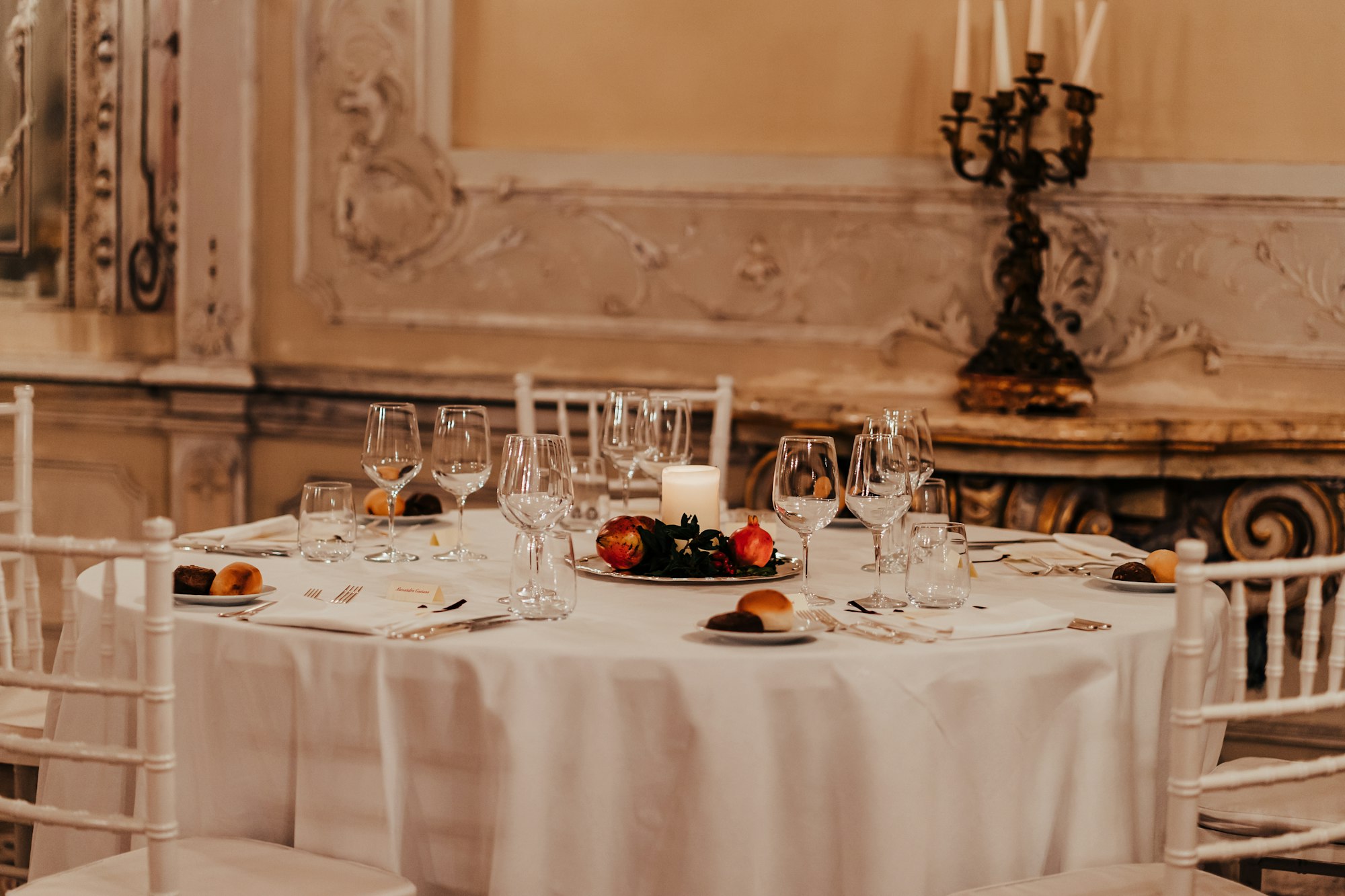
Did you know that Pinterest searches for “dinner party dining” surged 160% from 2024 to 2025, while Evite saw a 148% increase in dinner party invitations over the same period? The dinner party is back — and it’s not your grandmother’s formal affair. From Gen Z-hosted themed potlucks to intimate farm-to-table supper clubs, a new generation of hosts is redefining what it means to gather around the table. Whether you’re planning your first dinner party or your fiftieth, this comprehensive guide covers everything you need to create an unforgettable evening.
Key Takeaways
- Dinner parties are surging in popularity, with 72% of Americans now preferring a night in with friends over going out, driven by rising restaurant costs and a desire for genuine connection.
- Budget smartly by allocating 40% for food, 20% for drinks, 15% for tableware and decor, and keeping a 25% buffer — expect to spend $25–$75 per guest depending on formality.
- Start with 6–8 guests for a manageable, intimate atmosphere that encourages real conversation rather than surface-level small talk.
- Themed dinner parties are the biggest trend of 2025–2026 — from Italian nights to retro supper clubs, a cohesive theme elevates every element of the experience.
- Plan your timeline starting 3–4 weeks out for stress-free preparation, and prep as much food as possible the day before.
- Focus on atmosphere over perfection — curated playlists, warm lighting, and thoughtful seating arrangements matter more than a flawless five-course meal.
Table of Contents
- Why Dinner Parties Are Making a Comeback
- Planning Your Dinner Party: The Essential Timeline
- Setting Your Budget: How Much Does a Dinner Party Really Cost?
- Choosing a Theme That Sets the Tone
- Crafting the Perfect Menu
- Table Setting and Decor: Creating the Atmosphere
- The Art of the Guest List and Seating Arrangement
- Drinks and Cocktail Strategy
- Hosting Like a Pro: Night-Of Tips
- The Modern Supper Club: Taking It to the Next Level
1. Why Dinner Parties Are Making a Comeback {: #why-dinner-parties-are-making-a-comeback}
The dinner party revival isn’t a fleeting fad — it’s a cultural shift. According to a 2025 TalkerResearch survey, 72% of Americans now prefer a night in with friends over a night out. Among Gen Z and Millennials, 61% prefer social dining formats over traditional restaurant dining. The reasons are both practical and deeply human.
The Economics of Entertaining at Home
Restaurant dining costs have climbed steadily, with the average check for a dinner for two at a mid-range restaurant now exceeding $85 in most U.S. cities. Compare that to hosting at home, where you can serve a memorable three-course meal for $25–$40 per person — often less if you cook seasonally and shop strategically.
But economics alone don’t explain the trend. Something deeper is at play.
The Connection Economy
In a world where loneliness among young adults has reached record levels, dinner parties offer something social media cannot: genuine, face-to-face connection. The rise in screen-free activities and small creative gathering formats signals that hosting is shifting from pure entertainment to intentional togetherness.
As one trend report noted, 42% of boutique hotels are now implementing dinner-party-style dining concepts in their restaurants — the hospitality industry itself is learning from what home hosts already know: people crave intimacy over spectacle.
The Social Media Feedback Loop
Instagram and TikTok have created a virtuous cycle for dinner parties. Beautifully styled tablescapes, themed menus, and curated playlists generate aspirational content that inspires others to host. Nearly 70% of hosts now use Pinterest and social media as their primary planning tools. The result is a new generation of hosts who approach entertaining with the creativity of a designer and the warmth of a friend.
2. Planning Your Dinner Party: The Essential Timeline {: #planning-your-dinner-party-the-essential-timeline}
The secret to a stress-free dinner party is giving yourself enough lead time. Here’s a proven timeline that keeps you relaxed and your guests impressed.
3–4 Weeks Before
- Set your date and time (Saturday evenings between 6:30–7:30 PM are the sweet spot)
- Decide on a theme or cuisine direction
- Draft your guest list (aim for 6–8 people for your ideal first dinner party)
- Send invitations (digital invitations via Evite or Paperless Post are perfectly acceptable)
- Book any rental items if needed (extra chairs, glassware, table linens)
2 Weeks Before
- Finalize your guest list based on RSVPs
- Plan your menu, accounting for dietary restrictions
- Select your drink pairings (wine, cocktails, and non-alcoholic options)
- Create a playlist (aim for 4–5 hours of music)
- Order any specialty ingredients that need to ship
1 Week Before
- Do your main grocery shopping for non-perishable items
- Press or steam table linens
- Deep clean entertaining spaces
- Test any new recipes you haven’t made before
- Plan your table layout and seating arrangement
2 Days Before
- Shop for fresh produce, proteins, and flowers
- Prep anything that can be made ahead (sauces, marinades, desserts)
- Chill white wine and beer
- Set out serving dishes and utensils you’ll need
Day Of
- Set the table in the morning while you’re fresh
- Prep remaining ingredients (chop, measure, organize mise en place)
- Arrange flowers and light candles 30 minutes before guests arrive
- Shower and get ready at least 1 hour before arrival time
- Have a drink station ready so early arrivals can help themselves
Pro Tip: The 80/20 Rule
Aim to have 80% of your cooking done before the first guest arrives. Choose a menu where only one dish needs last-minute attention (like searing a protein or tossing a salad). This keeps you out of the kitchen and in the conversation.
3. Setting Your Budget: How Much Does a Dinner Party Really Cost? {: #setting-your-budget-how-much-does-a-dinner-party-really-cost}
One of the biggest barriers to hosting is the misconception that dinner parties are expensive. They can be — but they absolutely don’t have to be. Here’s a realistic breakdown.
Cost Per Guest by Style
| Dinner Style | Cost Per Guest | Best For |
|---|---|---|
| Casual potluck | $8–$15 | Close friends, frequent gatherings |
| Home-cooked three-course | $25–$40 | Most dinner parties |
| Elevated entertaining | $45–$75 | Special occasions |
| Catered or private chef | $90–$150+ | Milestone celebrations |
Recommended Budget Allocation
Based on industry data, here’s how to allocate your dinner party budget:
| Category | Percentage | For 8 Guests ($40/person = $320 total) |
|---|---|---|
| Food & ingredients | 40% | $128 |
| Drinks (wine, cocktails, non-alcoholic) | 20% | $64 |
| Tableware & decorations | 15% | $48 |
| Buffer / extras | 25% | $80 |
| Total | 100% | $320 |
Budget-Saving Strategies
-
Cook seasonally: In-season ingredients are cheaper and taste better. A spring dinner party featuring asparagus, peas, and strawberries costs far less than importing out-of-season produce.
-
Embrace the one-pot hero: Dishes like braised short ribs, paella, or a large-format pasta are crowd-pleasers that cost less per serving than plated individual entrees.
-
BYOB with a twist: Ask each guest to bring a bottle of wine that represents something about them, then do a blind tasting as a conversation starter.
-
Invest in reusables: Cloth napkins, a good set of serving platters, and proper glassware pay for themselves within 3–4 dinner parties versus disposable alternatives.
-
Shop ethnic grocery stores: International markets often offer spices, produce, and specialty items at a fraction of mainstream grocery prices.
4. Choosing a Theme That Sets the Tone {: #choosing-a-theme-that-sets-the-tone}
Themed dinner parties are the standout trend of 2025–2026. According to social media data, theme-driven dinners — from Japanese izakaya nights to retro disco supper clubs — are thriving on TikTok and Instagram. A theme isn’t just decoration; it’s a framework that makes every decision easier, from menu to music to dress code.
Popular Dinner Party Themes for 2026
The Italian Trattoria Night
Transform your dining room into a rustic Italian trattoria. Serve antipasti, fresh pasta, and tiramisu. Play Dean Martin and modern Italian jazz. Use checkered tablecloths, breadstick bundles in jars, and candlelight. Encourage guests to dress in earth tones.
The Farm-to-Table Supper Club
Source ingredients from local farmers’ markets and build your menu around what’s fresh. Serve family-style on wooden boards and platters. This theme celebrates simplicity, seasonality, and sustainability — and naturally keeps costs down.
The Retro Dinner Party
Channel the 1970s with fondue, prawn cocktails, and Black Forest cake. Break out vintage glassware and serve Harvey Wallbangers or Tom Collins cocktails. Use vinyl records as table centerpieces and create a playlist heavy on Fleetwood Mac and ABBA.
The Global Street Food Night
Pick three countries and serve a street food “course” from each. Think Mexican elote and tacos, Japanese gyoza and yakitori, and Indian chaat. Serve on casual plates with plenty of napkins. This format is naturally interactive and budget-friendly.
The Garden Party (Spring/Summer)
Take advantage of warmer weather by hosting outdoors. Use mismatched vintage tableware, fresh wildflower arrangements, and fairy lights. Serve a mezze spread, grilled proteins, and a pavlova or fruit tart for dessert.
Choosing the Right Theme for Your Group
| Consider | Best Theme Type |
|---|---|
| First-time hosting | Farm-to-table or Italian (forgiving, crowd-pleasing) |
| Adventurous eaters | Global street food or regional deep-dive |
| Budget-conscious | Potluck-style or one-pot themed night |
| Special occasion | Elevated supper club or formal multi-course |
| Outdoor space available | Garden party or BBQ-to-dinner crossover |
5. Crafting the Perfect Menu {: #crafting-the-perfect-menu}
Your menu is the backbone of the evening. The best dinner party menus balance ambition with practicality — impressive enough to feel special, simple enough that you’re not chained to the stove.
The Three-Course Framework
For most dinner parties, three courses hit the sweet spot:
Starter (served within 30 minutes of arrival) Choose something that can be prepped entirely in advance. Great options include:
- Burrata with roasted tomatoes and basil oil
- Seasonal soup in small cups (guests can stand and sip)
- A curated cheese and charcuterie board
- Tuna crudo or ceviche
Main Course (served 60–90 minutes after arrival) Pick one main that feeds everyone and pair it with two sides. Aim for one dish that needs last-minute cooking and sides that are at room temperature or can hold in the oven.
| Main Course Style | Difficulty | Make-Ahead Potential |
|---|---|---|
| Braised meat (short ribs, lamb shoulder) | Medium | Excellent — better the next day |
| Whole roasted fish | Medium | Low — but only 25 min cook time |
| Large-format pasta (lasagna, baked ziti) | Easy | Excellent — assemble day before |
| Grilled proteins + grain salad | Easy | Moderate — grill last minute, prep sides ahead |
| Curry or stew with rice | Easy | Excellent — flavors develop overnight |
Dessert (served after a 20–30 minute pause) The easiest course to make ahead. Panna cotta, tarts, cakes, and ice cream sundae bars all work beautifully and can be fully prepared the day before.
Dietary Restriction Navigation
Modern hosting means accommodating dietary needs gracefully. Here’s a practical approach:
- Ask when you invite, not at the door. Include a simple “any dietary needs?” on your invitation.
- Build inclusively: Choose a menu where the main components are naturally flexible. A build-your-own taco night, for instance, easily accommodates vegetarian, vegan, and gluten-free guests.
- Don’t make it a spectacle: Serve the modified dish alongside everything else rather than singling out the guest with different needs.
- Label quietly: Small cards noting “GF” or “V” on serving dishes help guests navigate without having to ask.
Menu Planning Worksheet
- Starter: Can it be fully prepped ahead? ✓
- Main: Does only ONE element need last-minute cooking? ✓
- Sides: Can they be served at room temperature? ✓
- Dessert: Is it made the day before? ✓
- Have I accounted for all dietary restrictions? ✓
- Do I have a backup if something goes wrong? (Cheese and crackers always saves the day) ✓
6. Table Setting and Decor: Creating the Atmosphere {: #table-setting-and-decor-creating-the-atmosphere}
According to Peerspace data, searches for “dinner party table settings” have grown steadily throughout 2025–2026, reflecting the importance hosts place on visual presentation. But great table setting doesn’t require a professional stylist or expensive rentals.
The Essentials of a Beautiful Table
Layering
The key to a visually rich table is layers:
- Table surface: Tablecloth, runner, or placemats (mixing textures adds depth)
- Plates: Dinner plate with a salad plate or bowl on top
- Napkin: Cloth, folded simply or tucked into a ring
- Glassware: Water glass plus one wine glass (two if serving red and white)
- Flatware: Set from the outside in, based on course order
- Centerpiece: Low enough that guests can see each other across the table
Lighting
Lighting makes or breaks the atmosphere. Follow this hierarchy:
- Dimmer switches: Turn overhead lights to 40% of full brightness
- Candles: Taper candles for elegance, votives for warmth, or a mix
- String lights: For outdoor or casual indoor settings
- Rule of thumb: If you can comfortably read a menu, the lighting is right
The Centerpiece Formula
The best centerpieces are low (under 14 inches), fragrant but not overpowering, and don’t block sightlines. Options by budget:
| Budget | Centerpiece Idea |
|---|---|
| Under $15 | Grocery store herbs (rosemary, basil) in small pots |
| $15–$30 | Seasonal flowers from a farmers’ market in a simple vase |
| $30–$50 | Mixed arrangement with candles and greenery runner |
| $50+ | Professional arrangement or DIY with premium flowers |
Modern Table Setting Styles
The Minimal Modern White or neutral plates, simple flatware, linen napkins in muted tones. One statement element — a bold centerpiece or colorful glassware. Clean lines, breathing room.
The Rustic Warmth Wooden chargers or a bare wood table, stoneware plates, linen napkins tied with twine. Greenery runners (eucalyptus is classic), pillar candles in varying heights.
The Maximalist Feast Patterned plates, colored glassware, abundant flowers, multiple candle styles. More-is-more, but keep a unifying color palette to prevent visual chaos. This style thrives on Instagram and works beautifully for themed parties.
The Family-Style Spread Skip individual place settings and line the center of the table with serving dishes, boards, and platters. Each guest has a plate, glass, and napkin, but the food is the centerpiece. This style is inherently communal and encourages sharing.
7. The Art of the Guest List and Seating Arrangement {: #the-art-of-the-guest-list-and-seating-arrangement}
The people around your table matter more than what’s on it. A thoughtfully curated guest list and strategic seating arrangement can transform a good dinner party into a legendary one.
Guest List Guidelines
The Magic Number: 6–8 Guests Research on group dynamics consistently shows that groups of 6–8 create the ideal balance of energy and intimacy. At 6, a single conversation can include everyone. At 8, the table naturally splits into two lively sub-conversations — both equally vibrant.
The Mix That Works The best dinner parties combine:
- 2–3 people who know each other well (the social anchors)
- 2–3 people who know the host but not the other guests (the fresh energy)
- 1–2 wildcards — interesting people from different circles who bring unexpected perspectives
Who to Avoid Seating Together
- Couples directly next to each other (they’ll talk to each other instead of the group)
- Two people who share a niche profession (they’ll talk shop while others disengage)
- People with known interpersonal tension (obvious, but worth stating)
Seating Arrangement Strategy
For a rectangular table of 8:
- Place yourself at one end (near the kitchen for easy access)
- Seat the guest you know least well near you (so you can include them in conversation)
- Alternate known extroverts and introverts
- Separate couples
- Place guests with common interests across from each other (diagonal conversations are natural)
For a round table, the same principles apply, but you have more flexibility since everyone can see everyone else.
The Art of the Invitation
Modern dinner party invitations should include:
- Date, time, and address
- Theme or dress code (if applicable)
- A note about food (“We’ll be serving Italian — let me know about any dietary needs”)
- End time (optional but appreciated, especially for weeknight dinners — “Dinner from 7–10 PM”)
- Whether to bring anything (wine, a side dish, just themselves)
Send invitations 2–3 weeks in advance for weekend dinners, and follow up 3 days before for final headcount.
8. Drinks and Cocktail Strategy {: #drinks-and-cocktail-strategy}
A well-planned drink strategy keeps the evening flowing without requiring you to play bartender all night.
The Three-Tier Approach
Tier 1: The Arrival Drink (Pre-Dinner) Have one signature drink ready when guests walk in. This eliminates the “what can I get you?” scramble and immediately sets the tone.
Great arrival drinks:
- A batch cocktail (Aperol Spritz, Negroni Sbagliato, or a seasonal punch)
- Champagne or Prosecco with a garnish
- A non-alcoholic spritz (Ghia, Seedlip, or a homemade shrub with soda)
Tier 2: Dinner Wines Keep it simple: one white and one red that pair broadly with your menu. You don’t need to be a sommelier — ask your local wine shop for recommendations based on your menu. Budget $10–$20 per bottle and plan for roughly one bottle per two guests.
Tier 3: After-Dinner Offer coffee, tea, and optionally a digestif (amaro, port, or brandy). This signals the transition to a more relaxed post-dinner conversation without abruptly ending the evening.
Drink Quantities Calculator
| Drink | Amount Per Guest (4-hour dinner) |
|---|---|
| Wine | 2–3 glasses (⅓ to ½ bottle) |
| Beer | 2 bottles/cans |
| Cocktails | 1–2 (if served pre-dinner) |
| Water | Unlimited (have pitchers on the table) |
| Non-alcoholic options | 1–2 glasses |
For 8 guests, plan for:
- 4–5 bottles of wine (mix of red and white)
- 1 batch cocktail (enough for 8–10 servings)
- 2–3 non-alcoholic options
- Sparkling and still water
The Non-Alcoholic Revolution
The rise of sober-curious culture means non-alcoholic options are no longer an afterthought. Approximately 30% of Millennials and Gen Z identify as sober or sober-curious. Elevate your NA offerings beyond soda:
- Craft non-alcoholic spirits: Brands like Seedlip, Lyre’s, and Monday offer sophisticated alternatives
- House-made sodas: Simple syrups (lavender, ginger, hibiscus) with sparkling water
- Kombucha or craft NA beer: Widely available and increasingly high-quality
- Mocktail bar: Set up a station with mixers, garnishes, and recipes so NA drinkers can experiment
9. Hosting Like a Pro: Night-Of Tips {: #hosting-like-a-pro-night-of-tips}
The best hosts share one quality: they make everything look effortless. Here’s how to pull that off.
The First 30 Minutes
The opening of your dinner party sets the tone for the entire evening. Have these elements in place before the doorbell rings:
- Music playing: Start with upbeat but not overpowering background music (think jazz, bossa nova, or lo-fi). Volume should allow easy conversation.
- Arrival drink ready: Pre-batched or pre-poured, so guests have a drink in hand within 60 seconds of arriving.
- Snacks out: A simple spread (olives, nuts, crudités) gives guests something to do with their hands and prevents the “starving by dinner” syndrome.
- You, ready and relaxed: Being showered, dressed, and calm when the first guest arrives is the single most important element. If you’re still frantically cooking, the entire room absorbs your stress.
Managing the Flow
A great dinner party has a natural rhythm:
| Time | Phase | Your Role |
|---|---|---|
| 0–30 min | Arrival & mingling | Greet, introduce strangers, circulate |
| 30–45 min | Settle & starter | Invite everyone to sit, serve the first course |
| 45–90 min | Main course | Serve, then sit down and enjoy with your guests |
| 90–120 min | Dessert & conversation | Clear mains, pause, then serve dessert |
| 120–180 min | After-dinner | Move to a different area if possible (couch, patio) |
| 180+ min | Wind down | Offer coffee/tea, let the evening end naturally |
Conversation Starters That Actually Work
Forget “So, what do you do?” Try these instead:
- “What’s the best meal you’ve had recently?”
- “Has anyone traveled anywhere interesting lately?”
- “What’s something you’ve changed your mind about in the last year?”
- “If you could host a dinner party with any three people, living or dead, who would you invite?”
Place a few conversation-starter cards on the table for groups that might need a gentle nudge.
When Things Go Wrong (And They Will)
| Problem | Solution |
|---|---|
| Dish burns or fails | Laugh about it. Serve cheese and bread. Order pizza if needed. The story becomes part of dinner party legend. |
| Guest arrives very late | Don’t hold dinner for more than 20 minutes past the planned start. Serve the latecomer when they arrive. |
| Two guests clash | Redirect the conversation with a question to the whole table. Move seats during the dessert transition. |
| You run out of wine | It happens. Switch to cocktails with whatever spirits you have, or send a willing guest on a quick run. |
| Dietary restriction surprise | Always have bread, cheese, salad greens, and olive oil on hand. You can assemble a respectable plate from pantry staples. |
The Cleanup Question
Don’t clean up during the party. Stack dishes quietly in the kitchen if you need to clear the table between courses, but save the real cleanup for after guests leave or the next morning. If a guest insists on helping, give them one small task (rinsing glasses) rather than refusing entirely — it makes them feel good.
10. The Modern Supper Club: Taking It to the Next Level {: #the-modern-supper-club-taking-it-to-the-next-level}
Once you’ve mastered the basics, consider elevating your dinner parties into a recurring supper club — the fastest-growing trend in home entertaining.
What Is a Modern Supper Club?
A supper club is a recurring dinner party with a rotating cast of hosts, themes, or locations. It transforms one-off entertaining into a community tradition. The format is flexible:
- Rotating host: Each month, a different member of the group hosts and chooses the theme
- Fixed host, rotating theme: One person (perhaps you) hosts monthly with a new cuisine or concept each time
- Potluck supper club: Everyone brings a course, and the host provides the venue and drinks
- Ticketed supper club: For more ambitious hosts, charge a per-person fee to cover costs of premium ingredients and experiences
Starting Your Own Supper Club
- Recruit 8–12 core members who are committed to attending monthly or bi-monthly
- Set ground rules: Rotation schedule, dietary accommodations, BYOB policy, budget expectations
- Choose a format: Rotating host vs. fixed host, themed vs. freestyle
- Create a group chat for coordination, menu teasers, and post-dinner photo sharing
- Name your club: It sounds silly, but a name creates identity and commitment
Supper Club Theme Ideas for a Year
| Month | Theme | Signature Element |
|---|---|---|
| January | Hygge Night | Candlelight, comfort food, warm drinks |
| February | Valentine’s Supper | Aphrodisiac ingredients, romantic plating |
| March | Spring Awakening | First-of-season produce, lighter fare |
| April | Global Street Food | Three countries, three courses |
| May | Garden Party | Outdoor dining, floral cocktails |
| June | Summer Solstice | Longest-day dinner, start at sunset |
| July | BBQ Meets Fine Dining | Smoked and grilled, elevated presentations |
| August | Mediterranean Night | Greek, Turkish, and Lebanese mezze feast |
| September | Harvest Table | Farm-to-table, local ingredients only |
| October | Mystery Dinner | Each guest brings a surprise course |
| November | Friendsgiving | Gratitude theme, collaborative cooking |
| December | Holiday Feast | Go all out — formal, festive, and indulgent |
The Farm-to-Table Supper Club Format
One of the most rewarding supper club formats is the farm-to-table concept. Here’s how it works:
- Visit your local farmers’ market the morning of (or day before) the dinner
- Build your menu around what’s available — no pre-planned recipes
- Share the sourcing story with your guests: where the food came from, who grew it, what’s in season
- Cook simply to let the ingredients shine: roasted vegetables, grilled proteins with herb sauces, seasonal salads
- Keep a journal of each dinner’s menu for a personal cookbook that builds over time
This format naturally keeps costs down, builds your cooking confidence, and creates a connection to your local food community.
Frequently Asked Questions
How far in advance should I plan a dinner party?
For a casual dinner with close friends, 1–2 weeks is sufficient. For a more formal affair or themed dinner with a larger guest list, plan 3–4 weeks ahead. This gives you time to send invitations, finalize your menu, and shop without stress. If you’re hosting during a busy social season (holidays, summer), extend that to 4–6 weeks.
What’s the ideal number of guests for a dinner party?
Six to eight guests is widely considered the sweet spot. This allows for one inclusive conversation at a table of six, or two natural sub-conversations at a table of eight. Fewer than six can feel sparse if someone cancels, and more than ten makes it difficult to maintain the intimate atmosphere that distinguishes a dinner party from a general party.
How do I handle guests with dietary restrictions?
Ask about dietary needs when you send the invitation — don’t wait until the night of. Build your menu around naturally flexible dishes that can accommodate common restrictions. Serve modified dishes alongside everything else rather than singling out any guest. Always have bread, cheese, and salad greens on hand as a backup.
What should I do if I’m not a confident cook?
Start simple. A beautiful cheese board, a one-pot pasta, a green salad, and store-bought dessert make a perfectly respectable dinner party. Your guests are there for your company, not a restaurant-quality meal. As you gain confidence, add complexity gradually. Alternatively, consider a potluck format where guests contribute dishes.
How much wine should I buy for a dinner party?
Plan for approximately half a bottle per guest for a dinner lasting 3–4 hours. For 8 guests, that’s 4–5 bottles. Buy a mix of red and white based on your menu. Many wine shops accept returns on unopened bottles, so buy an extra bottle or two for safety. Always have non-alcoholic options available.
Is it okay to ask guests to bring something?
Absolutely. In modern entertaining, especially among Millennials and Gen Z, collaborative hosting is the norm. Be specific about what you’d like: “Would you mind bringing a bottle of wine?” is more helpful than “Bring whatever.” For close friends, assigning a course or component can make the evening more fun and reduce your workload.
How do I end a dinner party gracefully?
If you included an end time on the invitation, you have a natural exit point. Otherwise, offering coffee and tea signals the final phase. You can also engineer a gentle transition by standing up to clear dessert plates, turning lights up slightly, or switching to more ambient (quieter) music. Most guests will read these cues. For the guest who doesn’t, a warm “This has been so wonderful — I’m glad we did this” works.
What’s the best way to follow up after a dinner party?
Send a group text or message the next day thanking everyone for coming. Share any photos taken during the evening. If a guest brought wine or a dish, mention it specifically. This post-dinner follow-up often sparks the “When are we doing this again?” conversation that leads to your next gathering — or the birth of a supper club.
Conclusion
The modern dinner party is less about perfection and more about presence. It’s about putting down your phone, looking someone in the eye over a shared meal, and creating the kind of memories that no restaurant can replicate. Whether you’re hosting a casual weeknight pasta dinner for four or launching an ambitious monthly supper club, the principles are the same: plan ahead, cook simply, set a welcoming table, and focus on the people.
The data is clear — we’re in the middle of a home entertaining renaissance. With 72% of Americans preferring nights in and dinner party searches surging across every platform, there has never been a better time to embrace your hosting era. Start small, learn with every gathering, and remember: the best dinner parties aren’t the ones where everything goes perfectly. They’re the ones where everyone leaves feeling more connected than when they arrived.
Ready to plan your next dinner party? Use EventCortex’s free dinner party and supper club templates to organize your guest list, menu, timeline, and budget — all in one place.