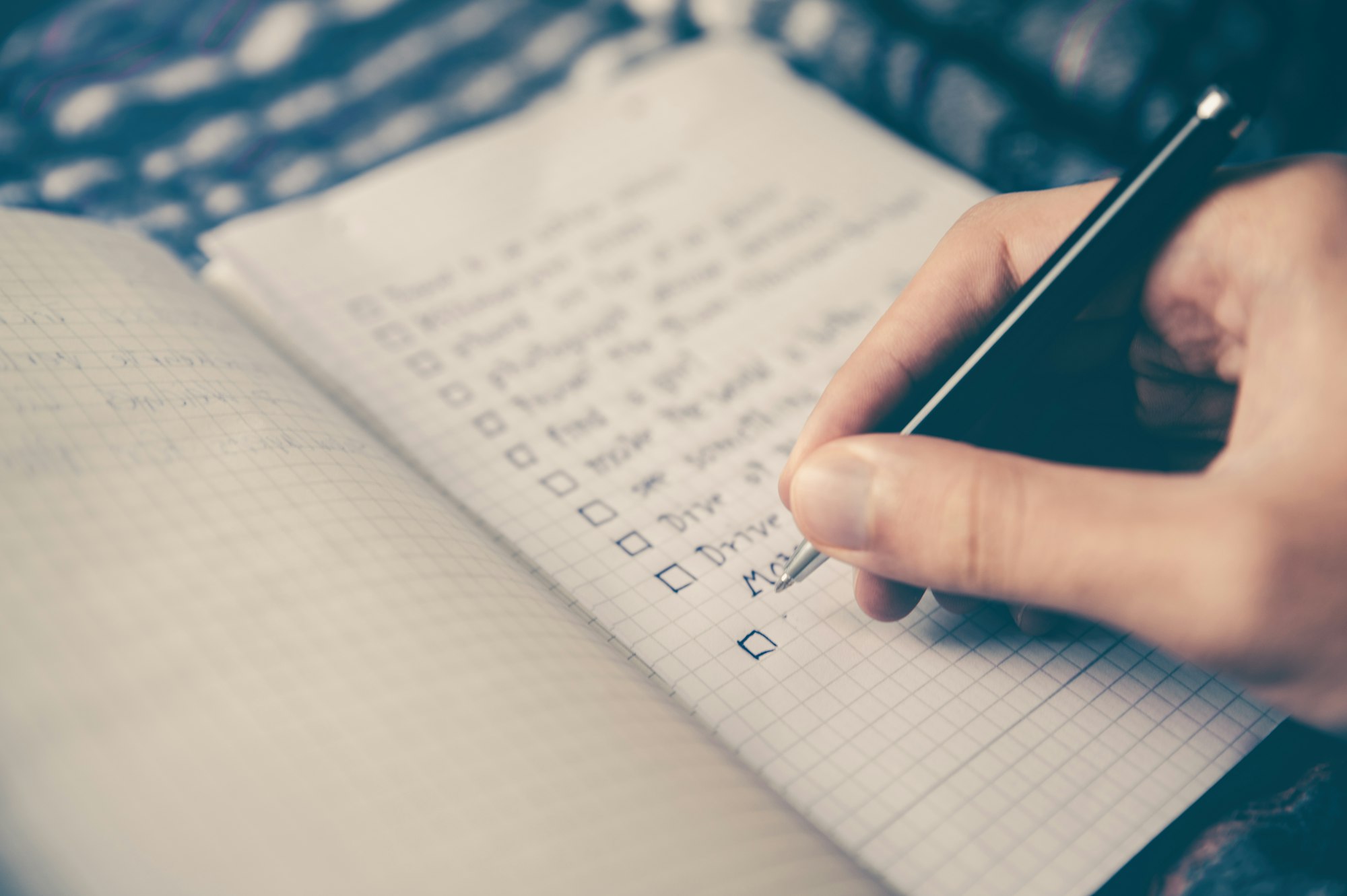
Planning an event without a comprehensive checklist is like navigating without a map. Whether you’re organizing a corporate conference, wedding, or community gathering, having a detailed event planning checklist ensures nothing falls through the cracks. This guide provides 50+ essential tasks to help you execute a flawless event.
Key Takeaways
- Start planning at least 6 months in advance for major events
- Budget allocation should include a 15-20% contingency fund
- Vendor contracts should be finalized 3-4 months before the event
- Post-event follow-up is crucial for measuring success
Table of Contents
- Initial Planning Phase (6+ Months Out)
- Vendor and Venue Phase (4-6 Months Out)
- Marketing and Promotion (2-4 Months Out)
- Final Preparations (1 Month Out)
- Week of Event
- Event Day Checklist
- Post-Event Tasks
Initial Planning Phase (6+ Months Out)
Define Event Fundamentals
- [ ] Determine event purpose and objectives
- [ ] Identify target audience and expected attendance
- [ ] Set preliminary budget
- [ ] Choose event date(s) and backup dates
- [ ] Select event format (in-person, virtual, hybrid)
- [ ] Establish success metrics and KPIs
- [ ] Create event planning team and assign roles
Budget Planning
- [ ] Create detailed budget spreadsheet
- [ ] Allocate funds by category (venue, catering, marketing, etc.)
- [ ] Set aside 15-20% contingency fund
- [ ] Identify potential sponsors or funding sources
- [ ] Establish approval process for expenses
Vendor and Venue Phase (4-6 Months Out)
Venue Selection
- [ ] Research potential venues
- [ ] Schedule venue site visits
- [ ] Compare venue costs and amenities
- [ ] Negotiate and sign venue contract
- [ ] Confirm venue capacity meets requirements
- [ ] Review venue insurance requirements
- [ ] Understand cancellation policies
Vendor Management
- [ ] Research and shortlist caterers
- [ ] Hire audio/visual providers
- [ ] Book photographers/videographers
- [ ] Secure entertainment or speakers
- [ ] Arrange transportation if needed
- [ ] Contract security services
- [ ] Book event decorators or florists
- [ ] Sign all vendor contracts with clear deliverables
Marketing and Promotion Phase (2-4 Months Out)
Event Marketing
- [ ] Create event branding and visual identity
- [ ] Build event website or landing page
- [ ] Set up online registration system
- [ ] Develop social media strategy
- [ ] Create email marketing campaign
- [ ] Design print materials (if applicable)
- [ ] Draft press release
- [ ] Reach out to media contacts
Registration Management
- [ ] Test registration system thoroughly
- [ ] Set up payment processing
- [ ] Create confirmation email templates
- [ ] Develop attendee communication schedule
- [ ] Plan early-bird pricing strategy
- [ ] Set registration deadlines
Final Preparations Phase (1 Month Out)
Logistics Finalization
- [ ] Confirm all vendor details and delivery times
- [ ] Finalize event schedule and agenda
- [ ] Create detailed run sheet
- [ ] Order event supplies and materials
- [ ] Prepare name badges and registration materials
- [ ] Coordinate volunteer or staff training
- [ ] Confirm catering final headcount
- [ ] Create emergency contact list
Technology Preparation
- [ ] Test all A/V equipment
- [ ] Prepare presentation materials
- [ ] Set up event app (if using)
- [ ] Test WiFi capacity at venue
- [ ] Prepare backup plans for tech failures
Week of Event
- [ ] Send final reminder to attendees
- [ ] Confirm all vendor arrival times
- [ ] Prepare cash and petty cash for emergencies
- [ ] Print final attendee list
- [ ] Charge all devices and prepare extras
- [ ] Conduct final venue walk-through
- [ ] Brief all staff and volunteers
- [ ] Prepare registration area materials
Event Day Checklist
Morning Setup
- [ ] Arrive early for setup supervision
- [ ] Verify venue setup matches specifications
- [ ] Test all microphones and A/V equipment
- [ ] Set up registration and check-in area
- [ ] Place signage and wayfinding materials
- [ ] Confirm catering setup and timing
- [ ] Brief on-site team
During Event
- [ ] Monitor registration flow
- [ ] Coordinate with vendors throughout
- [ ] Document event with photos/videos
- [ ] Handle attendee questions and issues
- [ ] Monitor social media mentions
- [ ] Keep to schedule (or adjust as needed)
- [ ] Collect real-time feedback
Event Close
- [ ] Thank speakers and VIP guests
- [ ] Oversee venue breakdown
- [ ] Secure all equipment and materials
- [ ] Complete final venue walk-through
- [ ] Collect vendor invoices
Post-Event Tasks
- [ ] Send thank-you emails to attendees
- [ ] Share event photos and highlights
- [ ] Send attendee satisfaction survey
- [ ] Debrief with planning team
- [ ] Process final vendor payments
- [ ] Reconcile budget vs. actual expenses
- [ ] Create post-event report
- [ ] Document lessons learned
- [ ] Follow up with leads generated
- [ ] Plan improvements for next event
FAQ
How far in advance should I start planning an event?
For major events like conferences or weddings, start planning 6-12 months in advance. Smaller events like corporate meetings or parties can be planned in 2-3 months, but more lead time always reduces stress and increases options.
What percentage of my budget should go to each category?
A typical budget allocation is: Venue (25-30%), Catering (25-35%), Marketing (10-15%), A/V and Technology (10-15%), Decor (5-10%), and Contingency (15-20%). Adjust based on your event priorities.
How do I handle last-minute cancellations or changes?
Always have backup plans for critical elements. Include cancellation clauses in vendor contracts, maintain a waitlist for sold-out events, and keep emergency contacts readily available. Having a contingency budget helps absorb unexpected costs.
What’s the best way to measure event success?
Track metrics aligned with your goals: attendance rate, attendee satisfaction scores, social media engagement, leads generated, revenue vs. budget, and net promoter score. Send surveys within 48 hours while the experience is fresh.
Conclusion
A comprehensive event planning checklist is your roadmap to success. By systematically working through each phase—from initial planning to post-event follow-up—you’ll ensure nothing is overlooked. Remember, the key to flawless events is starting early, staying organized, and always having contingency plans.
Ready to put this checklist into action? EventCortex can help you manage all these tasks in one place, with AI-powered assistance to keep your event planning on track.
Related Articles: