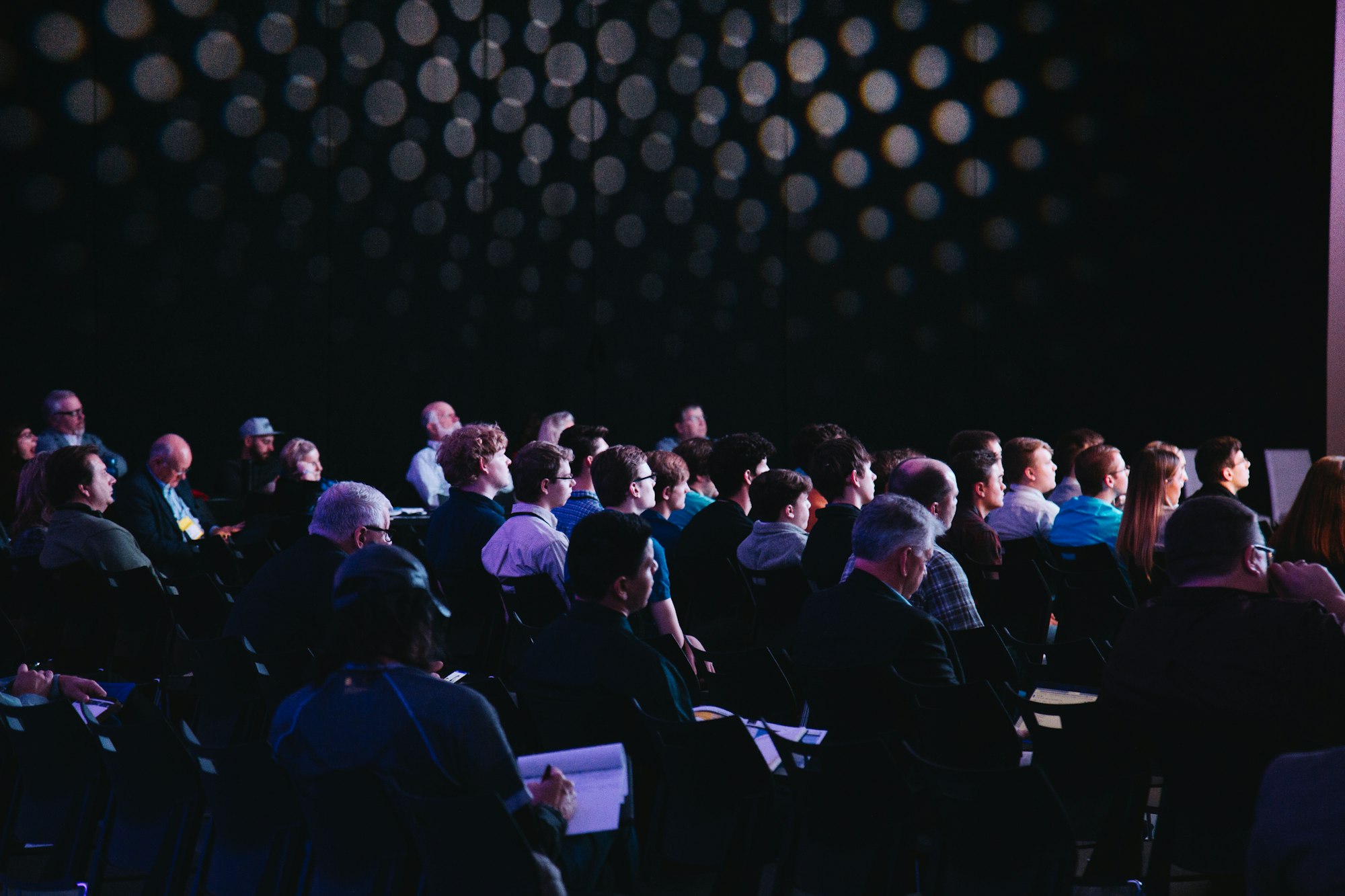
Planning a conference can feel overwhelming, but with the right approach, you can create an event that educates, inspires, and connects your audience. This step-by-step guide walks you through every phase of conference planning, from initial concept to post-event success.
Key Takeaways
- Start conference planning 9-12 months in advance for best results
- Define clear objectives that guide all decisions
- Budget allocation should prioritize venue, speakers, and A/V
- Attendee experience should drive every planning decision
Table of Contents
- Phase 1: Define Your Conference Vision
- Phase 2: Budget and Timeline Planning
- Phase 3: Venue Selection
- Phase 4: Program Development
- Phase 5: Speaker Management
- Phase 6: Marketing and Registration
- Phase 7: Logistics and Operations
- Phase 8: Technology Setup
- Phase 9: Event Execution
- Phase 10: Post-Conference Follow-Up
Phase 1: Define Your Conference Vision
Before diving into logistics, clearly articulate what your conference aims to achieve.
Establish Core Objectives
- Educational Goals: What should attendees learn?
- Networking Goals: What connections should they make?
- Business Goals: Revenue targets, lead generation, brand positioning
- Community Goals: Building or strengthening industry community
Define Your Audience
Understanding your target audience shapes every subsequent decision:
- Demographics: Job titles, industries, company sizes
- Experience Level: Beginners, intermediate, advanced practitioners
- Geographic Reach: Local, regional, national, or international
- Attendance History: First-time vs. returning attendees
Choose Your Conference Format
| Format | Description | Best For |
|---|---|---|
| Single-track | All attendees experience the same content | Smaller conferences, cohesive themes |
| Multi-track | Parallel sessions on different topics | Larger conferences, diverse audiences |
| Unconference | Attendee-driven agenda | Innovation-focused, experienced audiences |
| Workshop-intensive | Hands-on learning focus | Skill-building, technical topics |
| Hybrid | Combined in-person and virtual | Maximum reach, accessibility |
Phase 2: Budget and Timeline Planning
Creating a Realistic Budget
Conference budgets typically allocate funds as follows:
| Category | Percentage |
|---|---|
| Venue and catering | 35-45% |
| A/V and technology | 15-20% |
| Speakers and entertainment | 10-15% |
| Marketing | 10-15% |
| Staffing | 5-10% |
| Materials and signage | 5-10% |
| Contingency | 10-15% |
Revenue Streams
- Registration fees (tiered pricing: early bird, regular, late)
- Sponsorships (tiered packages with clear deliverables)
- Exhibition space (booths, demo areas)
- Workshops (premium add-on sessions)
- Virtual access (for remote attendees)
Master Timeline
12 Months Out:
- Define vision and objectives
- Set preliminary budget
- Research and book venue
- Recruit advisory committee
9 Months Out:
- Finalize theme and program tracks
- Begin speaker recruitment
- Secure anchor sponsors
- Design brand identity
6 Months Out:
- Confirm keynote speakers
- Launch website and registration
- Begin email marketing
- Finalize sponsorship packages
3 Months Out:
- Complete speaker lineup
- Intensify marketing efforts
- Finalize A/V requirements
- Train registration staff
1 Month Out:
- Final venue walk-through
- Print materials production
- Speaker prep and briefings
- Confirm all vendors
Phase 3: Venue Selection
Key Venue Criteria
- Capacity: Accommodate expected attendance plus 10-15% buffer
- Location: Accessibility, nearby hotels, transportation
- Facilities: Breakout rooms, exhibition space, catering capabilities
- Technology: WiFi capacity, A/V infrastructure, power access
- Budget: Fits within allocation while meeting needs
Questions to Ask Venues
- What is included in the rental fee?
- What are the catering minimums and restrictions?
- What A/V equipment is provided vs. rented?
- What is the WiFi capacity and bandwidth?
- What are load-in/load-out times and procedures?
- What is the cancellation/modification policy?
- What insurance requirements exist?
- Are there noise restrictions or curfews?
Negotiation Tips
- Book during off-peak periods when possible
- Ask about multi-year commitments for better rates
- Negotiate food and beverage minimums
- Request complimentary meeting rooms for planning
- Include clauses for unexpected circumstances
Phase 4: Program Development
Building Your Agenda
A successful conference program balances:
- Content Sessions: Keynotes, breakouts, panels, workshops
- Networking Time: Structured networking, open breaks, social events
- Sponsor Value: Sponsor presentations, exhibition time, branded experiences
- Recovery Time: Adequate breaks, reasonable session lengths
Session Format Variety
- Keynotes (45-60 min): Inspiring talks from prominent speakers
- Breakout Sessions (30-45 min): Focused topics for specific tracks
- Panels (45-60 min): Multiple perspectives on complex topics
- Workshops (90-180 min): Hands-on skill-building sessions
- Lightning Talks (5-10 min): Quick, high-energy presentations
- Roundtables (45-60 min): Small group discussions
Sample Conference Day Structure
8:00 AM   - Registration Opens / Breakfast Networking
9:00 AM   - Opening Keynote
10:00 AM  - Break / Exhibition Hall
10:30 AM  - Breakout Session 1
11:30 AM  - Breakout Session 2
12:30 PM  - Lunch / Sponsor Presentations
2:00 PM   - Workshop Block or Breakout Sessions
3:30 PM   - Break / Exhibition Hall
4:00 PM   - Panel Discussion
5:00 PM   - Closing Keynote
6:00 PM   - Networking Reception
Phase 5: Speaker Management
Recruiting Speakers
- Identify Targets: Industry leaders, authors, practitioners, internal experts
- Create Speaker Prospectus: Event overview, audience profile, expectations
- Reach Out Personally: Custom invitations highlighting why they’re a fit
- Offer Value: Compensation, exposure, networking opportunities
Speaker Logistics
Provide speakers with:
- Clear presentation guidelines and deadlines
- Technical specifications (slide format, A/V setup)
- Audience profile and expectations
- Logistics (travel, hotel, schedule, contacts)
- Pre-event briefing or rehearsal opportunity
Speaker Support Package
- Dedicated green room
- A/V tech rehearsal time
- Presenter-ready templates
- On-site contact person
- Real-time audience engagement tools
Phase 6: Marketing and Registration
Marketing Strategy
Digital Channels:
- Email campaigns (segmented by audience)
- Social media (organic and paid)
- Content marketing (blog posts, videos)
- Partner promotions
Traditional Channels:
- Industry publications
- Direct mail (for premium targets)
- PR and media outreach
Registration Best Practices
- Clear Pricing Tiers: Early bird, regular, late, group rates
- Simple Process: Minimize form fields, offer multiple payment options
- Automated Confirmations: Immediate confirmation with key details
- Reminder Sequences: Strategic reminders leading up to event
- Easy Modifications: Self-service changes and cancellations
Pricing Strategy
| Tier | Timing | Discount |
|---|---|---|
| Super Early Bird | 6+ months out | 30-40% off |
| Early Bird | 3-6 months out | 15-25% off |
| Regular | Up to 2 weeks before | Full price |
| Late | Final 2 weeks | Full price + premium |
Phase 7: Logistics and Operations
Vendor Management
Critical vendors to coordinate:
- Catering: Menus, dietary accommodations, service timing
- A/V Provider: Equipment, technicians, setup timeline
- Decorator/Signage: Branding, wayfinding, stage design
- Photography/Video: Coverage plan, deliverables, rights
- Security: Access control, crowd management, emergency procedures
On-Site Operations
- Registration Flow: Efficient check-in with minimal wait times
- Room Management: Clear signage, session monitors, capacity management
- Catering Coordination: Timing, replenishment, special accommodations
- Technical Support: Help desk, troubleshooting, backup equipment
Emergency Planning
- Establish emergency response team
- Create communication protocols
- Identify medical resources and emergency exits
- Prepare contingency plans for speaker no-shows, tech failures, weather
Phase 8: Technology Setup
Essential Technology
- Registration System: Online registration, on-site check-in, badge printing
- Event App: Agenda, networking, live polling, session ratings
- A/V Equipment: Projection, sound, recording, livestreaming
- WiFi Infrastructure: Adequate bandwidth for all attendees
- Engagement Tools: Q&A platforms, polling, social walls
Hybrid Conference Technology
For events with virtual attendees:
- Streaming Platform: Reliable, professional quality
- Virtual Networking: Tools enabling remote attendee connection
- Chat/Q&A Integration: Remote participation in sessions
- On-Demand Access: Recording and replay capabilities
Technical Redundancy
- Backup internet connection
- Spare microphones and projectors
- Alternative presentation methods
- On-site technical support
Phase 9: Event Execution
Day-Before Checklist
- [ ] Complete venue walk-through
- [ ] Test all A/V equipment
- [ ] Set up registration area
- [ ] Brief all staff and volunteers
- [ ] Confirm catering timeline
- [ ] Finalize run sheet with all parties
- [ ] Prepare speaker green room
Day-Of Management
- Morning: Staff briefing, final setup checks, registration opening
- Throughout: Monitor sessions, handle issues, coordinate catering
- Breaks: Facilitate networking, manage exhibition traffic
- Closing: Thank speakers, manage breakdown, secure materials
Real-Time Problem Solving
Common issues and solutions:
| Issue | Solution |
|---|---|
| Speaker no-show | Have backup speakers or extend Q&A |
| Tech failure | Switch to backup equipment, extend break if needed |
| Overcrowded session | Open overflow room with live stream |
| Catering delay | Extend networking time, communicate proactively |
Phase 10: Post-Conference Follow-Up
Immediate Actions (Within 48 Hours)
- Send thank-you emails to attendees
- Share key photos and highlights on social media
- Request speaker content for distribution
- Send satisfaction surveys
Week-After Tasks
- Analyze survey responses
- Process speaker and vendor payments
- Debrief with planning team
- Share session recordings with attendees
- Follow up with sponsor leads
Long-Term Follow-Up
- Publish comprehensive event report
- Share attendee data with sponsors (per agreements)
- Create content from conference (blog posts, videos)
- Announce next year’s date to capture early interest
- Document lessons learned for future planning
FAQ
How far in advance should I start planning a conference?
For a first-time conference, start 12-18 months ahead. Established conferences can work with 9-12 months. Critical path items like venue booking and keynote speakers often need 12+ months lead time.
What’s a reasonable budget for a 500-person conference?
Budgets vary significantly by location and production value. A basic estimate is $200-400 per attendee for a mid-range conference. Premium conferences with high production value can reach $500-1000+ per attendee.
How do I price conference tickets?
Research comparable events in your industry. Consider your costs, target audience willingness to pay, and revenue goals. Include early bird discounts of 20-30% to drive early registration and cash flow.
Should I offer hybrid attendance options?
Hybrid extends reach and accessibility but adds complexity and cost. Consider it if you have audiences who can’t travel, sponsors wanting broader reach, or goals to build a year-round digital community.
How do I attract quality speakers?
Build relationships before you need speakers. Offer meaningful compensation (monetary or value exchange). Provide excellent speaker support. Build a reputation for well-attended, professionally run events.
Conclusion
Planning a successful conference requires systematic preparation, attention to detail, and flexibility when things don’t go as planned. By following this step-by-step guide and starting early, you’ll be well-positioned to create an event that delivers value to attendees, sponsors, and your organization.
Remember: the best conferences focus relentlessly on attendee experience. Every decision—from venue choice to session format to break timing—should be evaluated through the lens of “does this create value for our attendees?”
Related Articles: