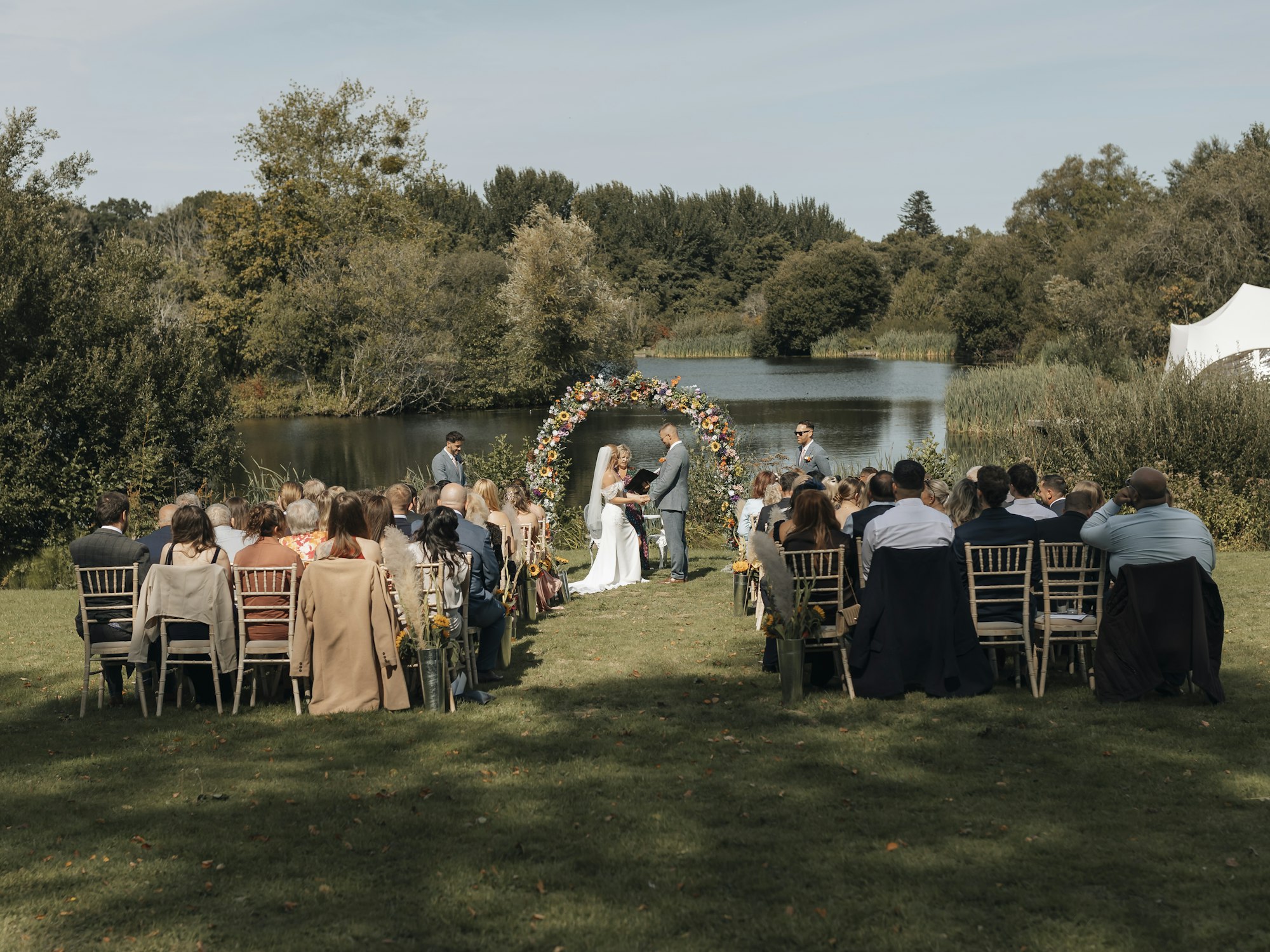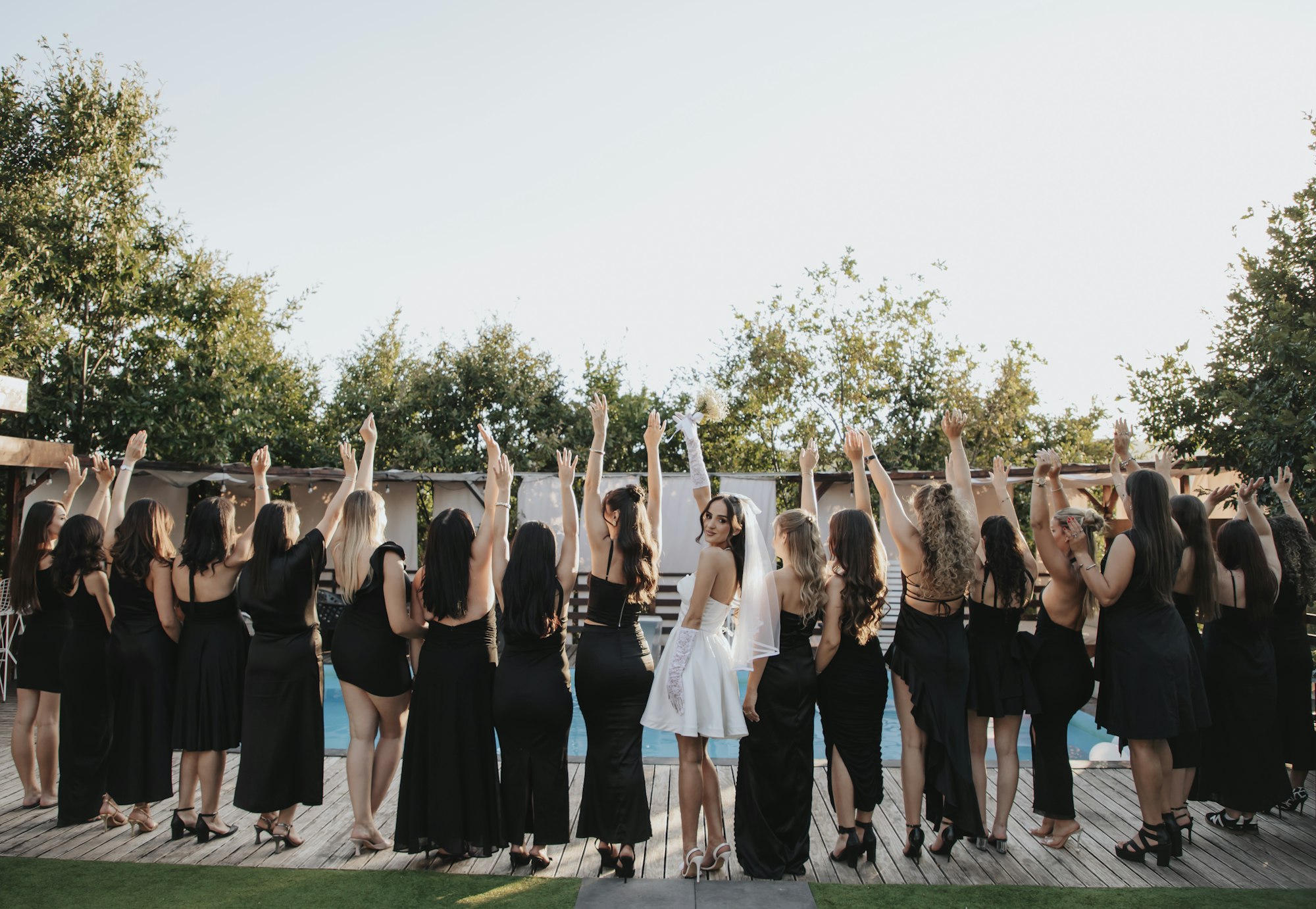
The countdown to the wedding is on, and the pre-wedding celebration often ends up being the trip everyone talks about for years. With the average bachelorette party now costing between $1,000 and $1,300 per guest and summer — June through August — firmly established as peak bach season, the stakes have never been higher for maids and best men tasked with pulling it all together. Whether you’re eyeing a long weekend in Nashville, a beach villa in Cabo, or an intimate dinner party at a rented lake house, the difference between a legendary send-off and a chaotic cash-burn comes down to one thing: planning.
This guide walks you through every decision that matters — from budget conversations and guest lists to destination selection, itinerary pacing, and the quiet logistics that make the whole thing feel effortless on the day of. It’s built for the maid of honor, the best man, or any friend-of-honor stepping into the planner role for the first time, and it works whether the celebration is a one-night local dinner or a four-day international trip.
Key Takeaways
- Summer is peak season: June, July, and August account for the majority of bachelorette and bachelor parties — book accommodations 3–4 months out if you want the good rental homes.
- Budget transparency upfront saves friendships: Average per-guest costs run $900 for road-trip attendees and $2,000+ for those flying — share a total estimate before committing anyone.
- Smaller is the new bigger: The intimate 4–8 person guest list has replaced the sprawling post-pandemic groups, with brides and grooms prioritizing meaningful over maximal.
- Two anchor activities per day is the pacing sweet spot: Over-scheduled weekends leave everyone exhausted; under-scheduled ones feel aimless. Two big plans with breathing room in between is the gold standard.
- Rental homes are up 10% since 2019: Airbnb and VRBO now host bach parties at rates that rival hotels (46% still book hotels) because group kitchens, shared space, and photo-ready decor matter.
- Plan 2–8 weeks before the wedding: Earlier risks conflicting with other pre-wedding events; later doesn’t leave room for last-minute logistics.
Table of Contents
- The New Rules of Bach Planning in 2026
- Before You Book Anything: The Bride or Groom Conversation
- Building the Guest List (and Managing the Group Chat)
- The Bach Party Budget Framework
- Choosing a Destination That Actually Fits the Group
- Accommodations: Hotel vs. Rental Home
- The Perfect Weekend Itinerary
- Activities, Themes, and Personal Touches
- The Planner’s Logistics Checklist
- Frequently Asked Questions
1. The New Rules of Bach Planning in 2026 {#new-rules}
The bachelorette and bachelor party has evolved dramatically since the pre-pandemic era of sashes, novelty straws, and nine-activity Saturdays. Today’s celebrations are more intentional, more intimate, and — perhaps counterintuitively — often more expensive per-person, because what groups are paying for has changed.
What’s In
- Intentional experiences over maximum activities. Brides and grooms are telling planners they want fewer things done well, not more things done exhaustingly.
- Shared accommodations with a kitchen. A rented home where the group can cook one meal together, spread out, and take photos without a hotel lobby backdrop is the new default.
- Themed aesthetics, not themed behavior. Color palettes, matching sets, and curated photo moments matter more than costumes and props.
- Wellness blocks baked into the weekend. A Saturday morning yoga class or a sound bath before brunch is as common now as the Sunday hangover brunch itself.
- Inclusivity. Planners are checking in on dietary restrictions, sobriety, accessibility, and financial circumstances before the invite goes out — not after complaints roll in.
What’s Out
- Strippers and shock-value decor. The dated bachelor-party playbook is almost entirely gone; in its place, a focus on connection and shared experience.
- Surprise trips. Brides and grooms want input. A surprise destination announcement 30 days out used to be charming; now it’s considered inconsiderate to guests’ finances and schedules.
- Splitting the bride’s or groom’s costs arbitrarily. The old convention of “everyone else covers the honoree” is giving way to more transparent, pre-discussed arrangements where the honoree often covers their own travel and the group covers group costs.
- Over-packed agendas. The 72-hour itinerary with something booked every waking hour is viewed as a relic of 2019.
Why It Matters for Planners
If you’re reading older guides or leaning on how your sister’s bach party went in 2018, recalibrate. The benchmark has shifted. The goal is not to out-do a Pinterest board — it’s to create a weekend the bride or groom will actually remember fondly, with people they actually want to be surrounded by, at a price point everyone can actually afford.
2. Before You Book Anything: The Bride or Groom Conversation {#pre-planning}
The single biggest mistake planners make is booking the destination, theme, or date before having a real conversation with the honoree. Even if the bride or groom says “surprise me,” they have opinions — usually strong ones — that you need to extract.
The 30-Minute Pre-Planning Conversation
Schedule one focused conversation (phone, video, or in person) to cover these questions. Don’t spread them over five text exchanges; you’ll lose fidelity.
- What’s your general vibe? Beach, city, nature, small-town charm, international, backyard?
- Who do you absolutely want there? Who are we deliberately not inviting? This is where the guest list actually starts.
- What’s the one activity you’d regret missing? This is your anchor activity. Build the rest around it.
- Are there any hard nos? Clubs after midnight, karaoke, adventure sports, surprise strippers — get the allergies out early.
- What dates are absolutely off-limits? The 6 weeks before the wedding is often booked with other events, and the 2 weeks immediately before the wedding should generally be kept clear.
- How involved do you want to be in planning? Some brides want to approve every vendor; others want to arrive at a destination and be led by the hand. Know which one you have.
- What’s your realistic total budget? Not what you wish, not what you’d feel guilty admitting — what’s actually sustainable given the wedding costs ahead.
Write It Down
Take notes during or immediately after. You’ll reference these answers weekly for the next three months. When a co-planner suggests “let’s add a second night at a hotel in Austin” six weeks in, you want to be able to say, “She told me Austin wasn’t the vibe — let’s stick with Santa Fe.”
The Co-Planner Alignment Call
Once you have the honoree’s input, loop in your co-planners (other bridesmaids, groomsmen, or close friends involved in planning). Share the honoree’s wishes, divide responsibilities, and agree on a communication cadence. A single point person for booking (usually the maid of honor or best man) plus 2–3 deputies for specific tasks — decor, transportation, activities — works better than democratic chaos.
3. Building the Guest List (and Managing the Group Chat) {#guest-list}
How Many People?
The intimate 4–8 person guest list has become the modern default. Here’s how group size affects planning:
| Group Size | Best Fit | Challenges |
|---|---|---|
| 3–5 guests | Any destination; rental home is generous; activities are easy to coordinate | Cost per person is higher (fewer people to split fixed costs) |
| 6–8 guests | Destination trips, rental homes with multiple rooms, restaurant reservations | One hesitant planner can derail the vibe |
| 9–12 guests | Lively group energy, lower per-person fixed costs | Logistics multiply fast; personality conflicts more likely |
| 13+ guests | Nostalgic, big-energy events | Hard to find single accommodations; coordination becomes a part-time job |
Who Should Be On It?
Let the honoree drive this. Never invite someone out of social obligation (a future in-law you feel pressure to include, a coworker who isn’t in the wedding party, a distant cousin) — their presence will cost the group emotionally and financially.
The Group Chat Playbook
Create two group chats, not one:
- The planning chat — planners only. This is where real decisions get made, vendor options get debated, and budget math happens. The bride or groom is often not in this chat, especially for surprise elements.
- The attendee chat — everyone who’s coming, including the honoree. This is for the itinerary, logistics, outfit coordination, and hype.
Set expectations early: “I’ll send major updates here on Sundays. DM me for anything urgent.” Without cadence rules, the attendee chat becomes a 300-unread-messages-per-day nightmare.
The Awkward Financial Pre-Invite
Before you send a formal save-the-date, send a rough estimate to each guest individually: “Hey — I’m starting to plan Jessica’s bach. We’re thinking the second weekend of July in Charleston. Ballpark cost per person would be $800–$1,100 including flight and accommodations. Does that work for you?”
This accomplishes two things: it filters for real attendance before you’re in too deep, and it respects everyone’s finances. Some guests will say “I can come but only if we drive, not fly,” or “I can do one night but not three.” That information, delivered before you book a rental home for twelve, changes everything.
4. The Bach Party Budget Framework {#budget}
Per-guest bachelorette and bachelor party costs have climbed significantly in recent years. Industry data from The Knot and other sources shows:
- Overall average: $1,000–$1,300 per guest for a standard weekend trip
- Driving attendees: ~$900 per guest (significant savings on transport)
- Flying attendees: ~$2,000 per guest (airfare is the single largest variable)
- Local (no travel) parties: $300–$600 per guest
- International destinations: $2,500+ per guest (flights, passports, longer stays)
A Sample Budget Breakdown
For a $1,000 per-person weekend in a domestic drive-to destination:
| Category | Percentage | Amount (per person) | What It Covers |
|---|---|---|---|
| Accommodations | 35% | $350 | Rental home or hotel, 2 nights |
| Food & Drinks | 25% | $250 | Groceries, restaurants, and bars |
| Transportation | 15% | $150 | Gas, rideshares, airport shuttles |
| Activities | 15% | $150 | Main event (spa, tour, class, tickets) |
| Decor & Extras | 5% | $50 | Decorations, matching outfits, welcome bags |
| Buffer | 5% | $50 | Unexpected costs, generous tipping |
Who Pays for the Bride or Groom?
There’s no single right answer, but the three common models are:
- The group covers everything for the honoree. Traditional, generous, but can create pressure for guests with tighter budgets.
- The honoree pays for their own travel and accommodations; the group covers activities and meals. A modern, middle-ground approach — increasingly the default.
- The honoree pays for themselves entirely. Rare, but chosen by some honorees who don’t want to feel financially responsible for friends.
Whichever model you choose, declare it in writing before deposits are collected. Ambiguity at the end — “wait, I thought we were all splitting the hotel” — is what ruins friendships.
Tools for Collecting Money
- Splitwise: The gold standard for tracking who owes what, with automatic settlement suggestions.
- Venmo group requests: Simple for single-event collections (dinner, activity tickets).
- A shared spreadsheet: Low-tech but transparent — every guest can see the same numbers.
Collect non-refundable deposits (your rental home booking, your activity reservations) before you book. Never put $3,000 on your personal credit card for a rental home and hope people pay you back. They will, but it will be painful.
5. Choosing a Destination That Actually Fits the Group {#destination}
The Top Destinations for 2026
The industry data is clear: Las Vegas continues to lead, but the rest of the top ten has shifted significantly.
| Rank | Destination | Best For | Avg. Per Guest |
|---|---|---|---|
| 1 | Las Vegas, NV | High energy, shows, pools | $1,400 |
| 2 | Miami / Fort Lauderdale, FL | Beach, nightlife, dancing | $1,500 |
| 3 | Nashville, TN | Country music, honky-tonks, ride-along parties | $1,100 |
| 4 | Austin, TX | Live music, food, outdoor brunches | $1,000 |
| 5 | Scottsdale, AZ | Resort pools, hikes, spa days | $1,200 |
| 6 | New Orleans, LA | Culture, food, music, walkable chaos | $1,100 |
| 7 | Charleston, SC | Historic charm, boat tours, boutique hotels | $1,000 |
| 8 | Tampa / St. Petersburg, FL | Newer entrant; beaches, lower cost than Miami | $900 |
| 9 | Savannah, GA | Historic Southern charm, budget-friendly | $800 |
| 10 | Asheville, NC | Mountains, breweries, wellness retreats | $900 |
International standouts: Cabo San Lucas, Tulum, Santorini, Lisbon, Amalfi Coast, Mexico City.
Florida dominates
Nearly 10% of all U.S. bachelorette parties happen somewhere in Florida. If your group is flexible on destination and wants warm weather plus variety, Florida is statistically the safest bet.
Matching Destination to the Honoree
- Outdoorsy, low-key bride or groom? Asheville, Sedona, or a lake house rental beats Nashville every time.
- Wants to dance until 4 AM? Miami, Nashville, and New Orleans over Savannah or Charleston.
- Loves food above all else? New Orleans, Austin, or an international pick like Mexico City.
- Anxious about flying or budget-conscious group? Lock in a drive-to destination within 5 hours of the majority of attendees.
- Truly relaxed honoree, small group? Rent a lake house or beach house within driving distance and skip the crowds entirely.
The Climate Check
Peak bach season is summer. That means:
- Vegas, Scottsdale, and Austin in July/August can hit 105°F+. Pool days only. Plan dinners and activities for after sunset.
- Gulf Coast and Florida often have afternoon thunderstorms. Build in rain plans.
- The Northeast and Pacific Northwest are perfect in summer but book 6+ months ahead — these regions have short peak seasons and high demand.
6. Accommodations: Hotel vs. Rental Home {#accommodations}
The shift toward rental homes is the single biggest change in bach accommodations over the past five years. Rental home bookings (Airbnb, VRBO) are up 10% since 2019, while hotels still hold 46% of the market.
When to Pick a Rental Home
- Group of 6 or more
- You want a kitchen (even for one cooked meal, this saves real money)
- Themed decor matters (hotels won’t let you drape the lobby in peony arches)
- Group wants to be together in one space, not scattered across hotel rooms
- You want photo-ready interiors (rental homes tend to have more personality)
When to Pick a Hotel
- Group is 4 or fewer
- You’re spending most waking hours out (spa, pool, bars, activities)
- No one wants to think about cleanup or rules
- Destination is safety-sensitive and a hotel lobby with 24-hour staff matters
- You’re flying into a single city with a short visit
Booking a Rental Home: What to Check
- Noise ordinances. Many beach and mountain towns have strict quiet hours that can result in $500+ fines.
- Occupancy caps. Some listings say “sleeps 12” but the municipality limits to 8. The fine is on you.
- Event clauses. Most rental homes prohibit parties with non-guests. A bach party of lodging guests is fine; a bach party that invites 20 more people over is not.
- Cancellation policy. Flexible (full refund 30 days out) vs. strict (no refunds after booking). With 2026 travel uncertainty, flexible bookings are worth paying a premium for.
- Cleaning fees. A $120/night listing with a $500 cleaning fee is effectively $170/night for a 3-night stay. Calculate the all-in cost.
- Reviews from similar groups. Look for “bachelorette,” “group of women,” “girls trip” in prior reviews. Some hosts welcome these groups; others tolerate them warily.
Booking a Hotel: What to Check
- Group blocks and bach packages. Many hotels in top bach cities offer dedicated packages — welcome champagne, late checkouts, connected rooms, pool cabana discounts. Always ask.
- Connecting rooms or adjacent rooms. Standard request but not guaranteed.
- Resort fees and parking fees. The nightly rate is rarely the final rate.
- Pool policies. Some pool areas are adults-only; some allow outside drinks; some cap day-pass visitors. If pool time is a centerpiece of your weekend, confirm everything before booking.
7. The Perfect Weekend Itinerary {#itinerary}
The Two-Anchor-Per-Day Rule
Space your big activities. A weekend should feel like it has rhythm — not like a packed business conference. The rule of thumb: two anchor plans per day, with flex time around them.
Activities fall into six categories, and a well-paced weekend touches most of them:
- High-energy events — dance classes, boat parties, tours, theme parks
- Low-energy events — spa, pool lounging, picnics, reading
- Meals — brunches, dinners, food tours
- Drinks — wineries, mixology classes, rooftop bars
- Games — group trivia, bachelorette Mad Libs, competitive activities
- Gifts and rituals — the lingerie shower moment, the advice jar, the bride speech
Template: A Thursday–Sunday Bach Weekend
Thursday (arrival day)
- Afternoon: Staggered arrivals, welcome bags in rooms, settle in
- Evening anchor: Group dinner at a nice reserved restaurant (book this 4+ weeks ahead)
- Late night (optional): Drinks at one cocktail bar — no clubs
Friday (high-energy day)
- Morning anchor: The signature activity — boat day, wine tour, spa, cooking class
- Afternoon: Pool time / rest / outfit changes
- Evening anchor: Nightlife — dancing, a show, or a themed dinner party at the rental
Saturday (mixed pace)
- Morning: Yoga or wellness session + casual brunch at the rental
- Afternoon anchor: Secondary activity — shopping, a tour, a class
- Evening: Rental home dinner with games and the “advice for the bride” moment (or groom equivalent)
Sunday (departure day)
- Morning anchor: Farewell brunch out, gift exchange
- Afternoon: Departures, group photo before everyone leaves
The Friday-Saturday Short Format
If your group can only swing one night:
- Friday evening: Welcome dinner, decor reveal, small game
- Saturday morning: Wellness + brunch
- Saturday afternoon: The big anchor activity
- Saturday evening: Dinner and rituals
- Sunday morning: Light brunch and depart
Building in Breathing Room
The most common itinerary mistake is back-to-back scheduling with no gaps. Add a minimum of 2 hours of unscheduled “rest/change” time per day. Guests will need to nap, make calls home, change outfits, or just sit in silence for 45 minutes. Honor that.
8. Activities, Themes, and Personal Touches {#activities}
Activity Ideas by Destination Type
City weekend (Nashville, Miami, Austin)
- Party bus or pedal tavern tour
- Rooftop pool day
- Food and drink crawl with a guide
- A show — comedy, burlesque, country concert, drag brunch
- Private mixology class
Beach weekend (Cabo, Charleston, Tampa)
- Private boat charter (the single most-requested bach activity)
- Beach picnic with a private chef
- Surf or paddleboard lesson
- Sunset cruise
- Beach bonfire dinner
Nature or wellness weekend (Asheville, Sedona, lake house)
- Group hike + packed picnic
- Spa day with group treatments
- Sound bath or meditation session
- Hot-air balloon ride (at sunrise)
- Stargazing night
Local / stay-at-home weekend
- Themed dinner party with a private chef
- Movie night projector setup
- DIY craft or candle-making class
- Wine tasting at a local vineyard
- Painting class (Paint & Sip) at the rental
Themes That Actually Work in 2026
Skip the novelty sashes and the penis straws — gone. Modern themes lean aesthetic:
- Coastal grandmother (linen, pearls, white dresses, garden setting)
- Western rodeo (denim, boots, rhinestone hats — only if honoree actually likes this)
- Pajama cocktail party (matching silk PJ sets, a cocktail bar at the rental)
- Vintage Italian (red gingham, pasta night, Aperol spritzes)
- Spa day from dawn to dusk (matching robes, face masks, slippers)
- Disco glam (metallics, sequins, mirror ball, 70s playlist)
The Personal Touches That Get Remembered
- Welcome bags in the rental — a water bottle, hangover kit, itinerary card, snack, custom item. Budget: $15–$25 per guest.
- A group playlist — collaborative in Spotify, built by all attendees. Plays on arrival day and during rental-home moments all weekend.
- An advice jar or letter — each guest writes a note to the bride or groom before arriving; presented in a dedicated moment.
- A memory video — 60-second mobile-phone clips from each guest, edited together by one organizer. Shown Saturday night.
- A themed photo moment — a balloon arch, a custom neon sign, a photo wall. The photos from this are what get reshared for years.
What to Skip
- Back-to-back bars on Friday and Saturday night. No one wants two hangovers.
- Anything requiring a 6 AM wake-up. Bach guests did not fly in to rise at dawn.
- Group outfits that are too specific to be worn again. Matching pajamas, yes. Matching costumes with wings and horns, no.
- Trying to do both a spa day and a boat day and a show all on Saturday. Pick one anchor.
9. The Planner’s Logistics Checklist {#logistics}
3–4 Months Out
- Bride/groom pre-planning conversation complete
- Co-planners aligned, roles assigned
- Budget estimate shared with potential guests
- Destination confirmed
- Dates locked
2–3 Months Out
- Accommodations booked (rental home or hotel block)
- Flights booked by individuals (send a group deadline)
- Major activity reservations made (boats, tours, restaurants)
- Group chats created, communication cadence set
- First round of deposits collected
1 Month Out
- Itinerary drafted and shared in the attendee chat
- Welcome bag items ordered
- Themed decor and matching outfits purchased
- Dietary restrictions, accessibility needs, and medical allergies confirmed
- Transportation between activities arranged
- Restaurant reservations confirmed in writing
1–2 Weeks Out
- Final headcount confirmed; final balances collected
- Itinerary PDF sent with times, addresses, dress codes
- Weather forecast checked, rain plans ready
- Group playlist finalized
- Printed itinerary cards or welcome letter prepared
Day Before
- Welcome bags assembled
- Decor, balloons, and props packed
- Cash for tips withdrawn ($200–$300 in small bills)
- Emergency contacts and rental addresses saved in everyone’s phones
- Bride/groom gift wrapped and hidden for the reveal moment
Day Of
- Arrive at accommodations early to set up before guests
- Place welcome bags
- Stock rental with groceries, water, coffee, and mixers
- Hang decor and take reference “before” photos
- Greet the bride or groom last, with the full setup ready
The Emergency Kit
Pack one tote for the weekend:
- Phone chargers (multiple cables, one portable battery)
- Basic meds: Advil, Tums, Benadryl, Dramamine
- Hangover prevention: electrolyte packets, Pedialyte packs
- Sunscreen and SPF lip balm
- Blister bandaids and ibuprofen
- Stain remover pen (dresses + red wine = inevitable)
- Safety pins, bobby pins, hair ties
- A small sewing kit
- Phone numbers for the rental home host, local taxi, nearest 24-hour pharmacy
10. Frequently Asked Questions {#faq}
When should the bach party happen relative to the wedding?
The sweet spot is 2 to 8 weeks before the wedding. Any earlier and it can feel disconnected from the wedding buzz; any later and you risk interfering with the final wedding prep. Avoid the 2 weeks immediately before the wedding — that time is for dress fittings, last-minute vendor calls, and rest.
How many days should a bachelorette or bachelor party last?
Three nights is the most common format (Thursday–Sunday or Friday–Monday), but this is trending shorter. A well-executed two-night weekend often feels more satisfying than a packed four-night trip, and it’s significantly cheaper and easier to coordinate. Don’t feel pressure to stretch the weekend for stretching’s sake.
Should the bride or groom pay anything?
The modern convention is that the honoree covers their own travel and accommodations, while the group covers activities, meals, and group experiences. This is not universal. Whatever you decide, put it in writing before deposits. The old default of the group paying for everything the honoree touches can breed resentment from guests who are already stretched thin financially.
How do you handle a guest who can’t afford the trip?
Three options, in order of preference:
- Build a cheaper tier. If most of the group is flying, ask whether one or two guests could drive and split gas.
- Offer a partial attendance option. One night instead of three, or local activities only if you’re in a drive-to destination.
- Let them gracefully decline. Not everyone can afford every trip; forced attendance creates a bad vibe for everyone.
Never guilt, never fundraise publicly in the group chat, never split the missing guest’s share across the remaining attendees without asking first.
What about combined bachelor-bachelorette parties?
Combined “bach bashes” (sometimes called Jack-and-Jill parties) are growing in popularity — particularly among couples with shared friend groups. They work best when:
- The couple has mostly overlapping friends
- Neither partner feels they’re losing a solo tradition
- The venue allows for a larger group dinner or activity
They’re harder to execute because doubling the guest list creates logistics complexity. If in doubt, do separate parties.
How much decor is too much?
The 2026 aesthetic is one statement piece plus restrained accents, not full coverage. One balloon arch, one custom sign, matching napkins, and a table centerpiece is plenty. Resist the urge to decorate every surface — the photos look overdone, and the cleanup becomes its own event.
Do guests need to bring gifts?
No formal gift is expected at a bach party. If a “lingerie shower” moment is planned for the bride, guests are typically told in advance (with sizing information). For bachelor parties, no gift equivalent is standard. The group contribution toward the honoree’s costs often functions as the gift.
How do you handle the photos?
Designate one person — ideally someone who isn’t a close friend of the honoree so they can focus — as the official photographer for the weekend. Everyone takes their own photos too, but a single person owns the “make sure we get the group shot, the decor shots, and the candid moments” job. Set up a shared photo album (Apple Shared Album, Google Photos, or a Dropbox folder) and share the link in the group chat.
What if the bride or groom wants no bachelor/bachelorette party?
Honor it. Not everyone wants one. If they still want to celebrate in some form, propose a one-night dinner with close friends instead. Never plan a bach party against an honoree’s stated preference.
Conclusion
The best bachelor and bachelorette parties in 2026 share a common thread: they’re designed around the honoree, not around an aesthetic or a trend. The planning frameworks above — the pre-planning conversation, the budget transparency, the two-anchor-per-day pacing, the thoughtful guest-list curation — aren’t about making the weekend more complicated. They’re about making sure the weekend feels effortless when it arrives.
If you remember only four things, remember these:
- Talk to the honoree before you book anything.
- Share costs transparently with every guest before collecting money.
- Space out the activities — two anchors per day, with breathing room.
- Prioritize meaningful over maximum.
The rest is logistics. And logistics — as this guide has shown — are manageable when they’re planned early and delegated well. Now go book the rental home.